

For years, aging has been framed as a quiet decline — more tired days, fewer options, and a slow loss of control. That belief slips into everyday talk and slowly becomes accepted as fact. Yet real life keeps offering proof that something else is going on. People the same age can feel completely different in their bodies, minds, and daily energy. That difference isn’t accidental.
Aging doesn’t suddenly appear with a number on a calendar. It builds in small, almost invisible ways. The routines you repeat, the habits you fall into, and the way you recover from daily stress all leave a mark. Over time, those patterns shape how you feel as you age, far more than wrinkles or appearance ever could.
What’s surprising is how much influence comes from simple choices. How you eat, move, rest, and slow down adds up quietly. Aging responds to those signals. And once you see that connection, the story of getting older starts to feel far less final — and far more open.
Why Aging Feels So Different From One Person to the Next
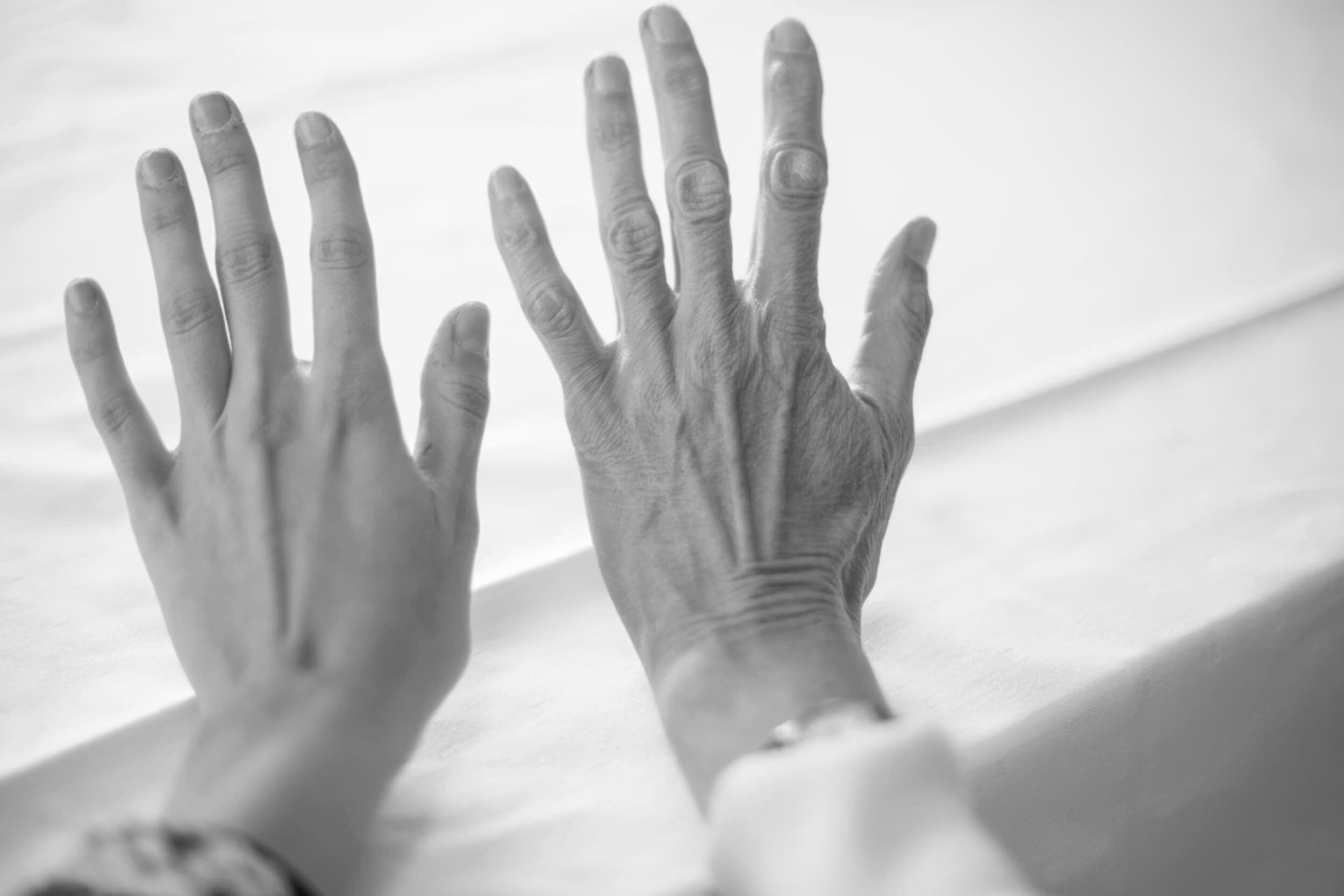
People often notice it without being able to explain it. Two people share the same age, yet one feels worn down while the other still feels steady and capable. This gap is usually blamed on luck or genetics, but daily life tells a deeper story.
There’s the age on your ID, and then there’s how your body actually functions. One measures years. The other reflects sleep, stress, movement, and recovery. Small habits don’t show results right away, but they quietly stack up. Over time, they influence energy, focus, and physical comfort.
A few patterns make a real difference:
- How often stress is allowed to settle
- Whether rest is regular or rushed
- How the body is treated on ordinary days
This kind of variation isn’t random. It’s built through repetition, not big changes. Once you notice those patterns, aging starts to make more sense — especially when you pay attention to how you feel as you age.
The Body Is Always Responding to What You Do Repeatedly
The body doesn’t change much from one good choice or one bad one. It adjusts to what it sees again and again. What you repeat becomes the signal your body trusts.
Daily actions create feedback. Rest tells the body it’s safe to repair. Movement tells it to stay strong. Constant pressure tells it to stay tense. Over time, the body adapts to whatever pattern shows up most often.
This is why steady habits matter more than pushing hard once in a while. Big efforts followed by long breaks confuse the system. Simple routines give the body something it can respond to.
This isn’t about control or strict rules. It’s about awareness. When you notice what you repeat, you gain quiet influence over comfort, energy, and resilience. Those repeated signals slowly shape how you feel as you age, without forcing extreme changes.
How Food Choices Shape Energy, Recovery, and Inflammation
Food affects more than hunger. It plays a role in energy levels, soreness, and how well the body bounces back. Meals that cause sharp rises and drops in energy ask the body to work harder just to stay balanced.
As the body changes with age, digestion and recovery need more support. Late heavy meals can disrupt rest. Skipping meals can drain focus. Highly processed foods can add strain, showing up as stiffness or low energy.
Supportive patterns tend to stay simple:
- Eating at similar times most days
- Choosing foods that keep energy steady
- Allowing space between eating and sleep
This isn’t about cutting everything out. It’s about noticing what leaves you feeling stable versus drained. When food supports recovery instead of stress, the body has more room to repair — which strongly affects how you feel as you age.
Movement That Preserves Strength Without Wearing You Down
Movement works best when it’s treated like care, not a challenge. The body responds well to regular motion that keeps joints flexible, muscles active, and blood moving.
When movement disappears, stiffness shows up quickly. Balance weakens. Energy drops. But pushing too hard too often can also slow progress, especially when recovery takes longer than it used to.
Sustainable movement often looks like:
- Walking on most days
- Light stretching or mobility work
- Simple strength exercises that feel manageable
Rest between sessions matters. Giving the body time to recover keeps movement helpful instead of draining. Over time, this kind of balance supports strength, confidence, and daily comfort — the things that help life feel steady as the years add up.
Sleep as the Body’s Primary Repair Window
Sleep isn’t just about feeling rested the next day. It’s when the body does its real repair work. Muscles recover, hormones reset, and inflammation settles. When sleep is cut short or broken night after night, the body doesn’t get enough time to fix small problems before they grow into bigger ones.
Poor sleep often shows up as aches, low energy, slower thinking, or feeling easily overwhelmed. These changes don’t appear overnight. They build when the body keeps missing its repair time. That’s why sleep quality matters more than chasing a perfect number of hours. A calm, steady sleep pattern helps more than forcing long nights that never feel refreshing.
Helpful sleep habits stay simple:
- Going to bed at a similar time most nights
- Letting the body wind down before sleep
- Protecting sleep from late meals and screens
When sleep becomes regular and predictable, the body regulates itself better, which quietly shapes how you feel as you age.
Stress, Recovery, and the Pace of Aging
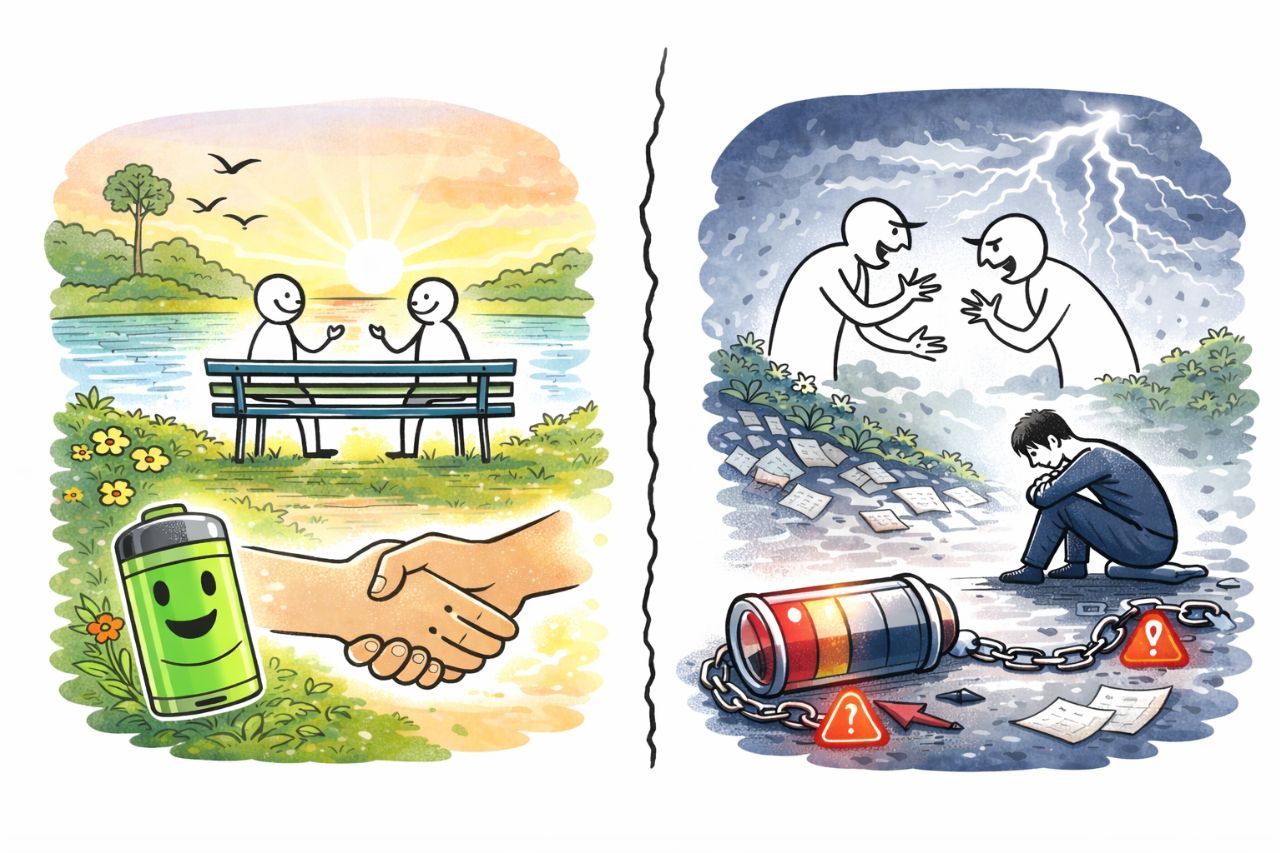
Stress isn’t always harmful. Short bursts can help you focus or respond quickly. The problem starts when stress never settles. When the body stays tense day after day, repair slows down and wear builds faster.
What matters most isn’t how much stress you face, but how often your body gets a chance to recover. Without recovery, the nervous system stays on edge. Over time, it becomes less flexible. Small problems feel bigger. Energy drops faster. Rest feels less effective.
Recovery doesn’t mean removing stress from life. It means giving the body clear signals that it’s safe to reset. These signals can be simple:
- Pausing before reacting
- Taking slow breaths
- Creating small breaks between tasks
Daily choices either calm the system or keep it activated. When recovery becomes part of your routine, the body slows its internal pace, which directly affects how you feel as you age.

The Role of Mindset in Physical Aging
How you think about aging influences how you treat your body. When people believe decline is unavoidable, effort often fades. Movement slows. Care becomes less consistent. That belief quietly shapes behavior.
Mindset isn’t about pretending everything is fine. It’s about believing your actions still matter. Fear and resignation can increase tension in the body, while trust creates room for better habits. But positive thinking alone isn’t enough. Beliefs have to match daily actions.
A supportive mindset looks like this:
- Paying attention instead of giving up
- Adjusting habits instead of forcing extremes
- Trusting the body’s ability to respond to care
This kind of thinking encourages steady choices rather than quick fixes. Over time, belief and behavior work together, supporting strength, comfort, and confidence in how you feel as you age.
Identity, Purpose, and Feeling Alive as You Age
Feeling alive isn’t about staying busy. It’s about staying connected to things that matter to you. Purpose gives the brain a reason to stay engaged and the body a reason to stay active.
Curiosity, interest, and enjoyment support emotional balance and mental clarity. People who stay involved in meaningful activities often feel steadier, even when their bodies change. This isn’t about productivity or proving value. It’s about caring enough to stay present in your own life.
Purpose can come from many places:
- Learning something new
- Creating or building
- Contributing in small, personal ways
Enjoyment isn’t extra. It helps regulate stress and supports motivation. When identity grows with age instead of shrinking, life feels fuller and more stable — even without chasing youth or comparison.
Why Extreme Approaches Often Backfire Over Time
Extreme plans promise fast results. Strict rules feel clear and powerful at first. But when they’re hard to maintain, they often lead to frustration or burnout.
Restriction without flexibility puts stress on the body. When care feels like punishment, habits don’t last. That’s the difference between intentional choice and deprivation. One supports balance. The other creates tension.
Adaptable habits tend to work better:
- Changes that fit real life
- Flexibility during stressful periods
- Adjustments instead of all-or-nothing thinking
Aging responds best to steady care, not pressure. When habits bend instead of break, they stay in place longer. That consistency supports comfort, strength, and confidence without constant effort.
Conclusion
Aging doesn’t suddenly happen. It reflects what the body has been given again and again. Small choices around sleep, stress, food, movement, and mindset quietly shape daily comfort and energy.
Progress matters more than perfection. Missed days don’t erase good habits. Adjusting doesn’t mean failing. At any stage, the body can respond to better care when it’s given regularly.
Feeling better isn’t about chasing youth or fixing everything at once. It comes from paying attention and making choices that support balance. Those choices build trust between you and your body.
Aging well doesn’t need dramatic changes. It grows from steady care, simple habits, and patience. When daily choices line up with what your body needs, aging feels less like loss and more like a continuation — built one ordinary day at a time.