

You may be healing more than you realise, even if today feels like a step backwards.

You may be trying to move forward, yet a difficult day can make you feel like nothing has changed. Here is what people miss: feeling hurt again does not mean your progress is gone.
People expect healing to mean no more sadness, anxiety, grief, or triggers. When those feelings return, they may assume they are back at the beginning. Healing rarely moves in a straight line. Stress, reminders, or events can bring feelings to the surface without erasing the work you have done.
The signs you are healing may appear in small ways. You may understand your feelings sooner, pause before reacting, ask for support, or recover after a hard moment. These changes may seem small, but they can build healthier habits, self-awareness, and emotional balance. Healing is not a race with a finish date. It is found in choices that show you are responding differently.
Your Relationship With Difficult Emotions Begins to Change
A surprising part of healing is that painful feelings may still show up. The change is often in what happens next. Instead of being swept away by every emotion, you begin to understand it and decide how to respond. These are signs you are healing, even if the feelings themselves have not disappeared.
You Can Name What You Feel More Clearly
At first, distress can feel like one heavy, confusing weight. You know something hurts, but you may not know whether you feel lonely, ashamed, angry, afraid, or disappointed. Being able to name the feeling shows that you are becoming more aware of what is happening inside you.
It can also help you explain your needs to people you trust, making support easier to ask for and receive when you need it most.
Naming an emotion can create a small pause. Instead of reacting straight away, you can ask what you need. This new awareness may feel uncomfortable, especially if you once pushed certain feelings aside. Still, noticing them is often healthier than pretending they are not there.
You Allow Emotions to Pass Without Letting Them Control Every Decision
An intense feeling can seem like an order that must be followed. Healing helps you see that a feeling is real, but it does not have to make every choice for you.
For example, rejection may still hurt, but you no longer immediately:
- Send an angry message
- Cut yourself off from everyone
- Decide that nobody can be trusted
Pausing does not mean ignoring the pain. It gives you time to respond in a way you are less likely to regret.
You Stop Judging Yourself for Having a Difficult Day
Sadness, anxiety, or exhaustion does not prove that you have failed. A hard day may come from stress, poor sleep, conflict, a painful reminder, or grief that returns without warning. Self-compassion means admitting that the day is difficult without using it to judge your whole recovery.
Old Patterns No Longer Feel as Automatic
Healing often appears in the brief pause between a trigger and your usual reaction. The old urge may still arrive, but it no longer takes over so quickly. That pause is one of the signs you are healing because it gives you a chance to choose what happens next.
You Notice Your Triggers Earlier
You may start catching warning signs before your feelings become overwhelming. They can include:
- Tight shoulders or a tense jaw
- Racing thoughts
- Irritability or numbness
- A strong urge to leave or shut down
Spotting these signs early lets you step away, ask for support, set a limit, breathe slowly, or use another calming method that works for you. Being triggered does not erase your progress. The difference is that you now understand what is happening instead of being pulled into the reaction without warning.
You Make One Different Choice Where You Once Felt Powerless
Small choices can show a major change. You might ask what someone meant instead of assuming they rejected you. You might rest instead of forcing yourself to keep working. You may also decline an invitation that does not feel emotionally safe.
A healthier response can feel awkward or even selfish at first. The old pattern may have helped you feel protected in the past, so changing it takes practice. Each different choice teaches you that you have more options now.
You Recover Without Punishing Yourself for the Setback
Pressure can sometimes bring back an old coping habit. Repeating it once does not mean you are permanently trapped in it. What matters is what you do afterwards.
You can admit what happened, take responsibility, repair any harm, and think about what may help next time. This approach builds strength and self-trust. Shame keeps you focused on what went wrong, while a fair and honest response helps you keep moving forward. It helps you learn from the moment without making it your identity.
You Are Creating a Safer Relationship With Yourself
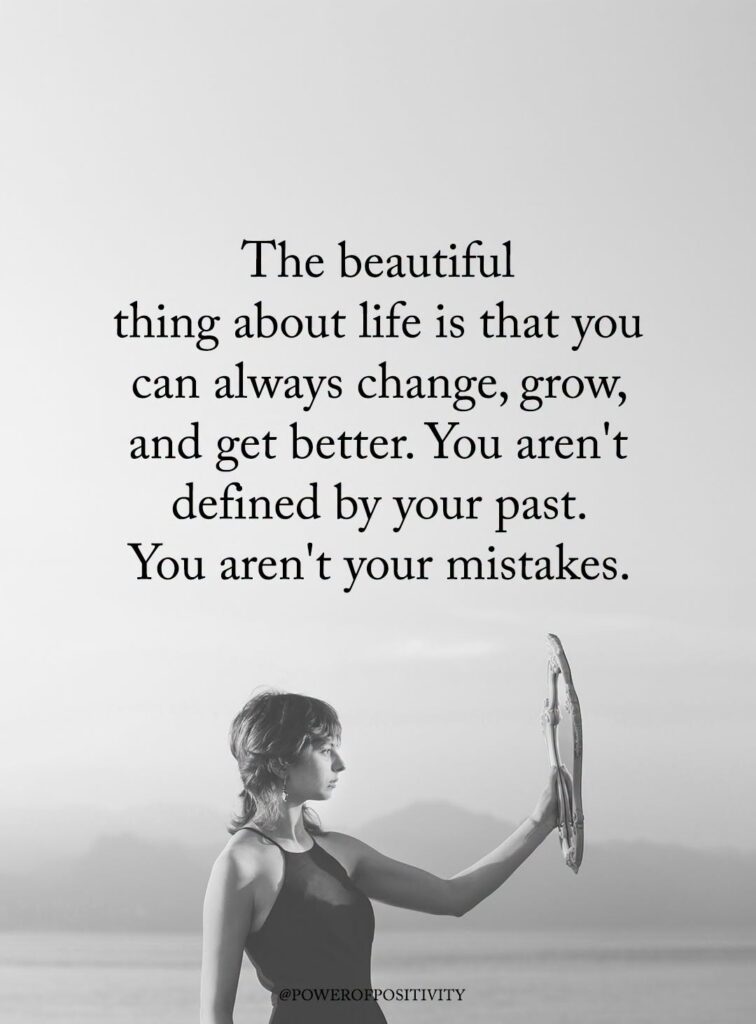
Self-trust often returns quietly. It grows when you start treating your feelings, needs, and limits as important instead of questioning or ignoring them. This change may not look dramatic, but it is one of the signs you are healing and becoming a safer person for yourself.
You begin to believe that your experience matters and that you can respond to it with care and good judgement.
Your Inner Voice Becomes More Honest and Less Cruel
You may have believed that harsh self-talk kept you disciplined, prepared you for disappointment, or stopped you from making the same mistake again. In reality, attacking yourself can make it harder to think clearly and learn.
A healthier inner voice remains honest without making one mistake mean something terrible about your whole character. “I made a mistake, but I can correct it” is more useful than “I ruin everything.” This is not false praise or an excuse. It allows you to take responsibility without treating yourself as worthless.
You Respect Your Limits Before Reaching a Breaking Point
You begin paying attention before exhaustion takes over. This may mean:
- Leaving space between demanding plans
- Ending work at a reasonable time
- Taking a quiet break
- Saying no when you do not have the energy
Setting limits may bring guilt at first, especially if you are used to proving your value by helping, achieving, or always being available. Respecting your limits shows that you no longer believe you must suffer before you deserve care.
You Keep Small Promises to Yourself
Self-trust also grows through ordinary actions. You attend an appointment, eat regularly, take prescribed medicine as directed, walk for a few minutes, or contact someone when you need support.
Each action sends a simple message: your wellbeing deserves attention. Small promises that you can keep usually build more trust than dramatic goals that leave you exhausted or discouraged.
Life Is Gradually Becoming Larger Than What Hurt You
Healing does not ask you to erase the past or pretend it no longer matters. Instead, life slowly begins to hold more than the pain. Your attention, identity, and plans are no longer shaped by one experience alone. These are signs you are healing, even when the change feels almost too small to count.
You begin to see yourself as a whole person whose story includes pain but is not limited to it.
You Experience Brief Moments of Interest or Enjoyment Again
You may laugh without forcing it, enjoy a song, become interested in a conversation, notice pleasant weather, or feel curious about an activity. These moments may last only a short time.
They do not mean you must now feel happy every day. They also do not cancel the pain you still carry. They simply show that your mind is beginning to make room for connection, interest, and enjoyment instead of staying focused only on getting through the day.
You Can Remember Without Being Pulled as Deeply Into the Past
A memory may still hurt, but it may no longer take over your whole day or cause the same strong physical reaction. You might return to the present sooner, remind yourself that the event is not happening now, or decide when you need to shift your attention.
The memory can remain meaningful while its hold becomes less intense. Recovering sooner after it appears is real progress.
You Begin Making Decisions With the Future in Mind
Looking ahead may start with simple choices, such as:
- Planning tomorrow’s meal
- Arranging a visit
- Applying for an opportunity
- Saving a small amount of money
- Returning to a hobby
Planning shows that part of you believes life may contain something worth preparing for. Hope does not always begin as confidence. Sometimes, it is simply the willingness to take one small step without knowing exactly where it will lead.
Conclusion
Healing is not measured only by the absence of pain. It may also appear when you understand your feelings sooner, pause before reacting, respect your limits, or begin thinking about the future again. These changes are signs you are healing, even if they feel ordinary.
Try looking back at who you were months ago. Can you recover from a moment sooner? Are you speaking to yourself with care? Do you ask for help or make choices that protect your wellbeing? Your answers may show progress that daily life makes hard to notice.
There is no need to compare your recovery with someone else’s or follow a timeline. If the process feels too heavy to manage alone, consider speaking with a counsellor, healthcare professional, trusted person, or support service.
Grief, fear, and uncertain days can still exist beside progress. Healing does not mean never struggling again. It means meeting those struggles with more awareness, care, and choice than you had before.