


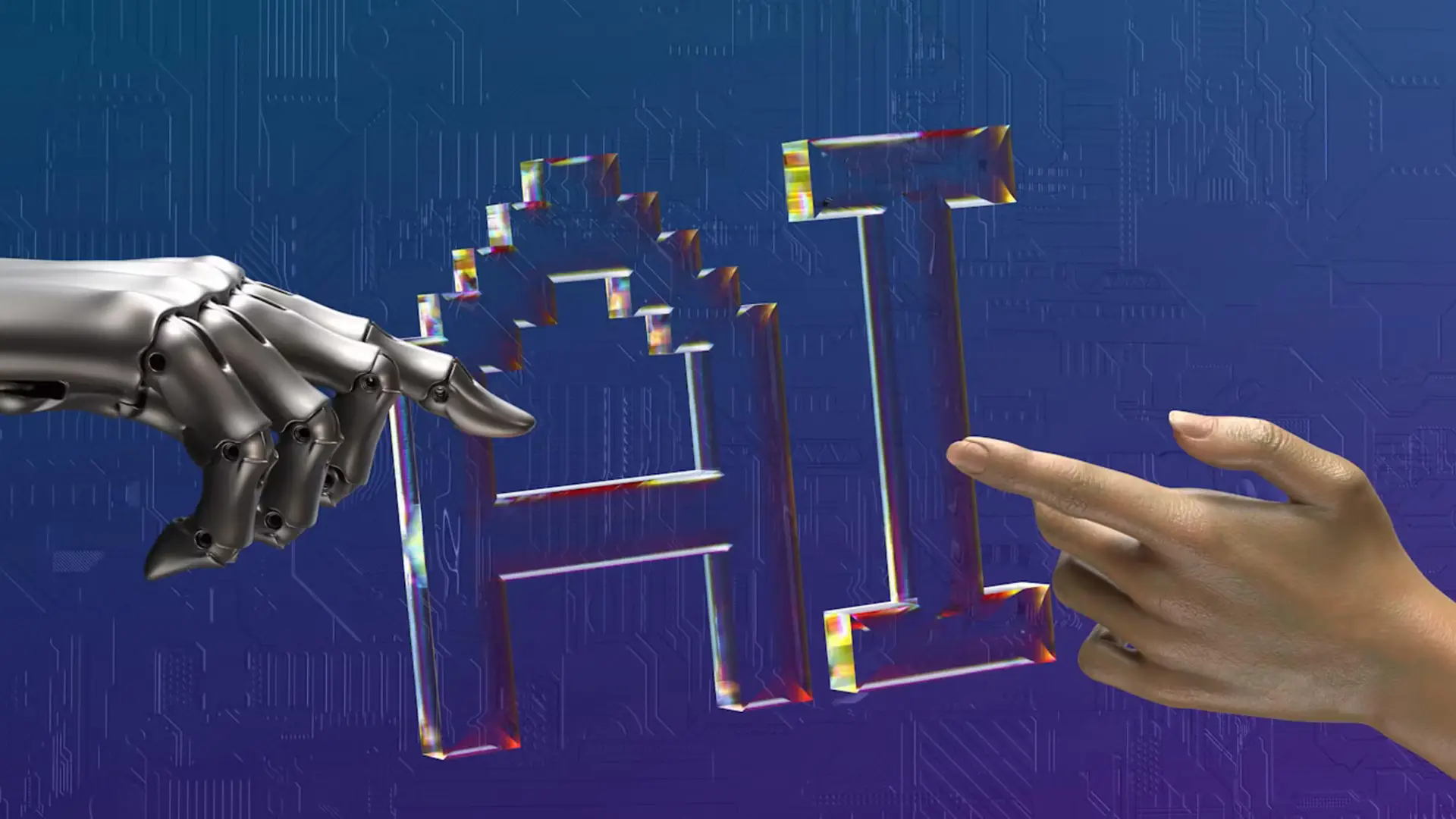

The way we work has changed more in the past few years than many people expected, and technology is a big reason why.

From the way teams communicate to how tasks are completed, technology is influencing almost every part of the modern workplace. Tools that once seemed new or unfamiliar are now helping businesses operate faster, collaborate more easily, and make better decisions. At the same time, new innovations continue to emerge, creating opportunities that were difficult to imagine just a few years ago.
These changes are not only affecting large companies. Businesses of all sizes are finding new ways to improve productivity, support employees, and stay competitive in a rapidly changing world. As technology continues to evolve, workplace expectations are evolving alongside it.
For workers, this means learning new skills, adapting to different ways of working, and staying open to change. For organizations, it means balancing innovation with employee needs while preparing for the future.
Understanding the technology trends that may shape the future can help both businesses and individuals stay prepared for what lies ahead. The technologies influencing work today are helping build the workplace of tomorrow, and their impact is only expected to grow in the years ahead.
Artificial Intelligence Is Becoming a Workplace Partner Rather Than Just a Tool
Not long ago, artificial intelligence sounded like something reserved for tech companies and science fiction movies. Today, it is becoming part of everyday work in businesses of all sizes. Many employees already use AI to help complete tasks faster, organize information, and improve productivity throughout the day.
AI is now supporting a wide range of workplace activities, including:
- Content creation
- Customer support
- Scheduling and calendar management
- Research and information gathering
- Data analysis and reporting
- Business forecasting
One reason AI is gaining attention is its ability to handle repetitive and time-consuming work. Tasks that once required hours of manual effort can often be completed much faster with the help of AI-powered tools. This allows employees to spend more time on responsibilities that require human thinking and personal interaction.
Even as AI becomes more capable, it cannot replace qualities such as creativity, judgment, emotional intelligence, and problem-solving. Businesses still rely on people to make important decisions, build relationships, and think strategically.
Among the most important technology trends that may shape the future, artificial intelligence stands out because it is helping workers become more productive while creating new opportunities for innovation.
Automation Is Changing How Routine Work Gets Done
Many jobs include tasks that must be completed repeatedly every day. While these responsibilities are important, they can also take time away from work that requires deeper thinking and decision-making. This is one reason automation is becoming more common across many industries.
Automation allows systems and software to perform routine processes with little human involvement. It is already being used in areas such as manufacturing, logistics, administration, inventory tracking, and document management. Businesses often use automation to reduce delays, improve accuracy, and maintain consistency.
For employees, this shift does not necessarily mean fewer opportunities. Instead, it often means spending less time on repetitive tasks and more time focusing on responsibilities that add greater value. Workers may increasingly monitor systems, solve problems, improve processes, and support customers while automated tools handle routine work in the background.
The benefits of automation often include:
- Faster workflows
- Fewer manual errors
- Improved efficiency
- Better productivity
- More consistent results
As workplace technology continues to evolve, many roles will change alongside it. This makes adaptability an important skill. Among the technology trends that may shape the future, automation is expected to play a major role in how businesses operate and grow.
Digital Collaboration Platforms Are Expanding Workplace Flexibility
The workplace is no longer limited to a single office location. Teams can now work together from different cities, countries, and time zones while staying connected throughout the day. Digital collaboration platforms have made this level of flexibility possible.
Cloud-based tools, communication apps, and project management software help employees share information, track progress, and coordinate tasks in real time. These platforms allow teams to work together whether they are in the same building or thousands of miles apart.
Remote and hybrid work arrangements have also increased the demand for reliable collaboration tools. Employees can attend meetings, review projects, exchange ideas, and manage deadlines without needing to be physically present in the same location.
Modern collaboration platforms often support:
- Instant messaging
- Video meetings
- File sharing
- Project tracking
- Team scheduling
- Real-time document editing
These tools continue to improve beyond basic communication. Many now include artificial intelligence, workflow automation, and advanced project management features that help teams stay organized and productive.
As businesses continue to embrace flexible work arrangements, digital collaboration remains one of the key technology trends that may shape the future of how people work together.
Virtual and Augmented Reality May Transform Training and Collaboration
Virtual reality and augmented reality are no longer limited to gaming and entertainment. Businesses are beginning to find practical ways to use these technologies to improve training, communication, and workplace learning.
One of the biggest advantages of immersive technology is the ability to create realistic experiences without real-world risks or costs. Employees can practice tasks, learn procedures, and build skills in simulated environments that closely resemble actual working conditions.
Organizations are already testing these technologies for:
- Employee onboarding
- Skills training
- Product development
- Technical support
- Virtual meetings
- Equipment simulations
For industries such as healthcare, engineering, manufacturing, and education, realistic simulations can help people gain valuable experience before working in real situations. This may improve learning outcomes while reducing mistakes and training expenses.
Virtual workspaces may also create new ways for teams to collaborate. Instead of interacting through traditional screens, employees may be able to work together in shared digital environments that feel more interactive and engaging.
As costs continue to decrease and technology improves, virtual and augmented reality are becoming some of the most interesting technology trends that may shape the future of workplace training and teamwork.
Cybersecurity Is Becoming a Workplace Priority for Every Employee
As businesses rely more heavily on digital tools, protecting information has become more important than ever. Every email, file, customer record, and online transaction creates new opportunities for cybercriminals to target organizations.
Cybersecurity threats continue to grow in both frequency and sophistication. Common risks include phishing emails, ransomware attacks, data breaches, identity theft, and unauthorized access to sensitive information. Even a single mistake can sometimes create serious consequences for a business.
To reduce these risks, organizations are investing in stronger security systems and better employee education. Technology alone is not enough. Employees play an important role in protecting company data by recognizing suspicious activity and following security best practices.
Many businesses now provide training on:
- Password security
- Phishing awareness
- Safe file sharing
- Data protection
- Device security
- Online privacy practices
Cybersecurity is no longer viewed as a responsibility that belongs only to the IT department. Every employee who uses digital tools contributes to keeping information safe.
As workplaces become increasingly connected, cybersecurity continues to rank among the most important technology trends that may shape the future, helping organizations build trust, protect data, and maintain business continuity.
Data Analytics Is Driving Faster and Smarter Business Decisions
Every day, businesses collect large amounts of information. From customer purchases and website visits to sales reports and employee performance, data has become one of the most valuable resources organizations have. The challenge is knowing how to use that information effectively.
Data analytics helps businesses identify patterns, understand customer behavior, measure performance, and track market changes. Instead of relying only on assumptions, companies can use facts and trends to make more informed decisions.
Analytics is often used to support:
- Business planning
- Sales forecasting
- Customer insights
- Marketing strategies
- Operational improvements
- Performance tracking
One of the biggest advantages of modern analytics tools is access to real-time information. Businesses no longer have to wait weeks or months for reports. They can quickly see what is working, what is changing, and where adjustments may be needed.
As a result, data literacy is becoming valuable across many professions, not just for analysts and managers. Employees who can understand and use information effectively may have an advantage in a changing workplace.
Among the most important technology trends that may shape the future, data analytics stands out because it helps organizations make smarter decisions with greater confidence and speed.
Continuous Learning Technologies Are Reshaping Career Development
A college degree or professional certification may still be valuable, but learning no longer stops once formal education ends. Technology is changing so quickly that many workers need to update their skills throughout their careers to stay competitive.
Today, employees have more learning opportunities than ever before. Online courses, digital certifications, virtual workshops, and personalized training programs make it easier to learn new skills without returning to a traditional classroom.
Many professionals now use learning platforms to improve their knowledge in areas such as:
- Technology and software
- Leadership and management
- Communication skills
- Data and analytics
- Project management
- Industry-specific expertise
Businesses are also investing heavily in employee development. Organizations understand that helping workers learn new skills can improve productivity, support innovation, and prepare teams for future challenges.
This growing focus on continuous learning highlights an important reality: adaptability may become one of the most valuable workplace skills. Employees who remain open to learning often place themselves in a stronger position for future opportunities.
Among the leading technology trends that may shape the future, continuous learning technologies are helping people build careers that can grow alongside workplace change.
Conclusion: Technology Will Continue to Influence How People Work and Grow
The workplace is changing, and technology is playing a major role in that transformation. Artificial intelligence, automation, collaboration platforms, virtual and augmented reality, cybersecurity, data analytics, and continuous learning tools are already influencing how businesses operate and how employees perform their work.
While these changes may create new challenges, they are also opening the door to new opportunities. Businesses can improve efficiency, strengthen communication, support employee development, and make better decisions with the help of modern technology.
For workers, the future may place greater value on adaptability, digital skills, problem-solving, and a willingness to keep learning. The people who continue developing their knowledge and staying open to change may be better prepared for new opportunities as they emerge.
The good news is that technology is not replacing the need for human talent. Instead, it is creating new ways for people and technology to work together. As these innovations continue to evolve, those who embrace learning and growth may find themselves well positioned for success in the years ahead.