


Is stress really the only reason you feel emotionally exhausted all the time?

Busy schedules, financial pressure, family responsibilities, lack of sleep, and nonstop worries have made stress feel like a normal part of everyday life. Because of that, many people ignore emotional warning signs for a long time without realizing their mental health may be slowly getting worse. Feeling mentally drained every day can start to seem normal, even when certain depression symptoms are quietly affecting daily life in deeper ways.
Depression does not always look dramatic from the outside. People still go to work, reply to messages, handle responsibilities, and smile during conversations while struggling internally. Low motivation, irritability, emotional numbness, physical fatigue, and feeling disconnected from life are often dismissed as ordinary stress because the changes usually happen gradually over time.
That overlap is one reason depression symptoms often stay hidden behind everyday routines for months or even years.
Depression Often Builds Slowly Instead of Appearing All at Once
Depression rarely changes a person overnight. In many cases, the emotional and mental shifts happen little by little until the changes start feeling normal. Energy levels may slowly drop, motivation may fade, and everyday routines may begin feeling harder without a person fully noticing how much they have changed over time. Because stress is already such a common part of life, many people assume they are simply overworked or mentally exhausted.
Daily responsibilities can also make it easier to overlook deeper emotional struggles. People continue going to work, caring for family, paying bills, and handling routines while quietly feeling worse inside. That misunderstanding often delays honest conversations, emotional support, or professional help.
Many depression symptoms are easy to mistake for ordinary stress reactions, especially when they first begin showing up in everyday life.
Constant Exhaustion That Rest Does Not Really Fix
Feeling tired after a busy week is normal, but emotional exhaustion linked to depression often feels different. A person may sleep longer, stay in bed during weekends, or take time off to rest and still wake up feeling mentally drained. Even simple tasks like answering messages, folding clothes, cooking meals, or getting ready for the day may suddenly feel heavier than usual.
This kind of exhaustion can slowly affect concentration, motivation, emotional energy, and physical movement. Small responsibilities may start feeling overwhelming even when they once felt easy to manage. Because tiredness is so common today, many people blame themselves instead of paying attention to their mental health.
Common signs may include:
- Feeling drained even after resting
- Struggling to start basic tasks
- Feeling mentally checked out during the day
- Losing energy for conversations or activities
These depression symptoms are often mistaken for burnout or stress, which is why emotional struggles may go unnoticed for long periods.
Irritability and Frustration That Feel Harder to Control
Depression is not always expressed through sadness alone. For many adults, emotional struggles may show up through irritability, frustration, impatience, or feeling emotionally overwhelmed by small situations. Noise, interruptions, long conversations, or minor inconveniences may suddenly feel harder to handle than before.
Pressure from work, finances, relationships, or daily responsibilities can already increase stress levels, which makes this symptom easy to overlook. Still, depression may create a deeper emotional heaviness that slowly affects communication, relationships, and emotional reactions over time.
A person may notice changes like:
- Becoming annoyed more quickly
- Feeling emotionally sensitive during conversations
- Snapping at loved ones more often
- Feeling drained after social interaction
These depression symptoms are sometimes misunderstood as personality changes or stress-related frustration when emotional health may actually be playing a larger role.
Losing Interest in Things That Used to Feel Enjoyable
One of the clearest emotional changes linked to depression is slowly losing interest in activities, hobbies, or routines that once felt comforting or exciting. Music may not feel enjoyable anymore. Favorite shows may no longer hold attention. Social plans may start feeling more exhausting than fun.
Busy schedules often make people believe they are simply too stressed to enjoy things for a while. However, depression may slowly remove emotional connection even during moments that should normally feel relaxing or rewarding.
This emotional numbness may affect:
- Friendships and relationships
- Creativity and hobbies
- Exercise and self-care routines
- Entertainment and personal goals
Many people continue doing these activities out of habit while no longer emotionally feeling present during them. Because the shift happens gradually, loved ones may not immediately notice the emotional disconnect taking place.
Pulling Away From Other People Without Fully Realizing It
Depression can slowly drain the emotional energy needed for conversations, social plans, texting, phone calls, and maintaining relationships. At first, the changes may seem small. A person may reply less often, cancel plans more frequently, or stop reaching out the way they used to. Because life already feels busy and exhausting, many people assume they are only stressed or mentally tired.
Isolation often happens quietly. Someone may still show up at family gatherings, answer messages occasionally, or spend time with friends while emotionally feeling disconnected the entire time. Social interaction may begin feeling more draining than comforting, even around people they genuinely care about.
Common changes may include:
- Ignoring calls or messages
- Avoiding social plans more often
- Feeling emotionally distant during conversations
- Wanting more time alone than usual
These depression symptoms can slowly increase loneliness over time, even when support and connection are exactly what a person needs most. As emotional struggles deepen, self-criticism may also become harder to ignore.
Feeling Hopeless Even When Life Looks Fine From the Outside
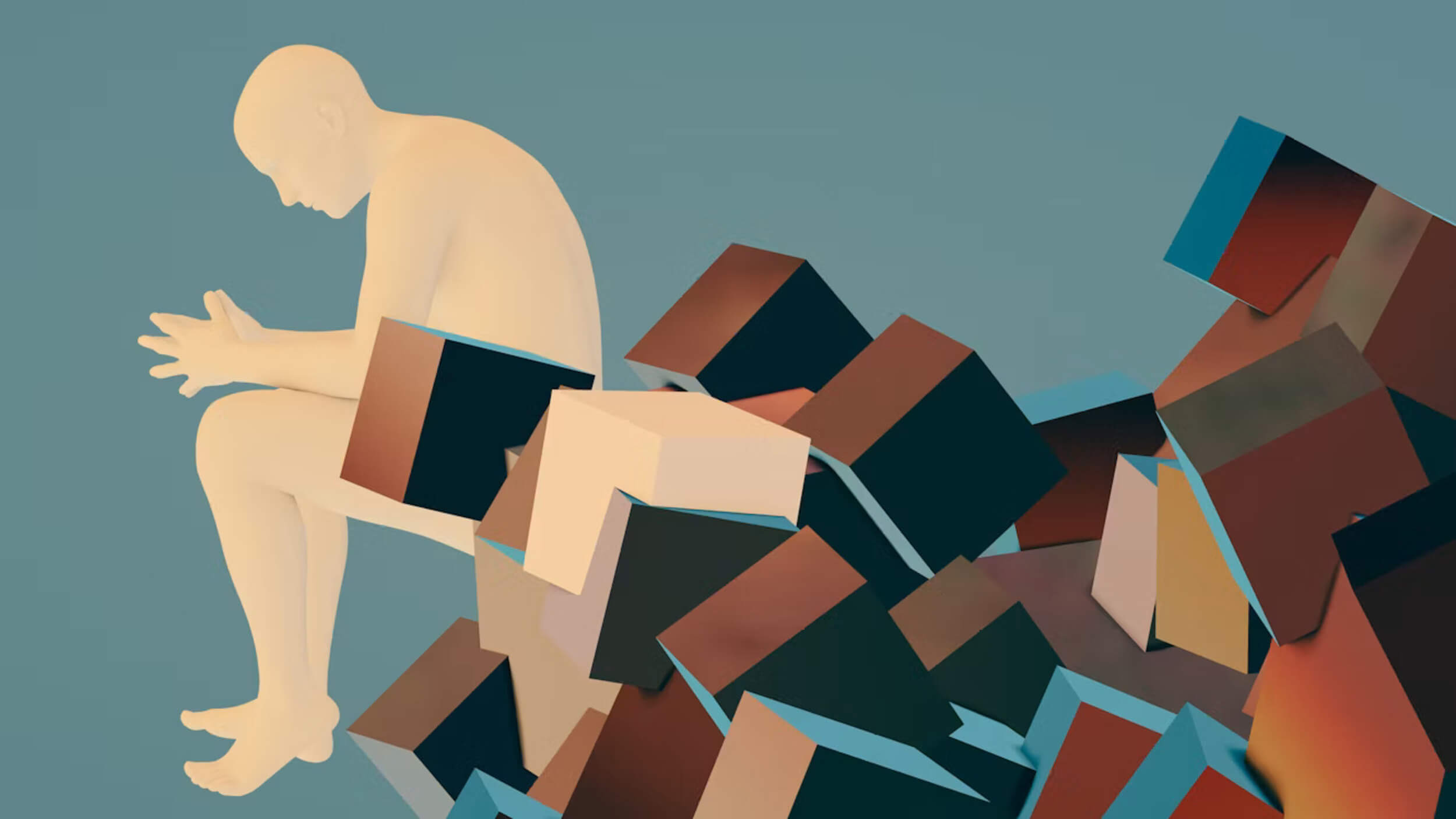
Depression can create a heavy feeling that nothing will truly get better, even when life appears stable from the outside. A person may still go to work, take care of responsibilities, smile during conversations, and continue normal routines while quietly struggling with emotional emptiness inside. Because everything looks “fine” externally, these internal struggles often stay hidden for long periods.
Feelings connected to hopelessness may include:
- Constant self-doubt
- Guilt over small mistakes
- Feeling emotionally numb
- Believing nothing will improve
- Feeling disconnected from personal goals
Stress usually feels connected to specific problems like work pressure, financial struggles, or family responsibilities. Once those situations improve, emotional relief often follows. Depression is different because the emotional heaviness may remain even when life circumstances are not getting worse.
Many people keep these thoughts to themselves because they fear being judged, misunderstood, or seen as weak. These depression symptoms should never be ignored, especially when hopeless feelings begin affecting relationships, motivation, daily routines, or emotional well-being over time.
Conclusion
Depression is often misunderstood because many of its warning signs look similar to ordinary stress, burnout, exhaustion, or emotional overload that people already deal with every day. Feeling tired, irritated, mentally drained, disconnected, or emotionally overwhelmed may seem like normal reactions to a busy life, which is why many depression symptoms go unnoticed for long periods.
Stress usually improves once pressure becomes lighter or life slows down. Depression often stays beneath the surface and quietly affects emotions, relationships, motivation, self-worth, sleep, and energy even when daily routines continue normally.
Paying attention to lasting emotional changes matters more than many people realize. Struggling mentally does not mean someone is weak, lazy, or failing at life. Support, honest conversations, and professional help can make a real difference. No one should feel forced to carry emotional pain alone without understanding what they may truly be going through.