

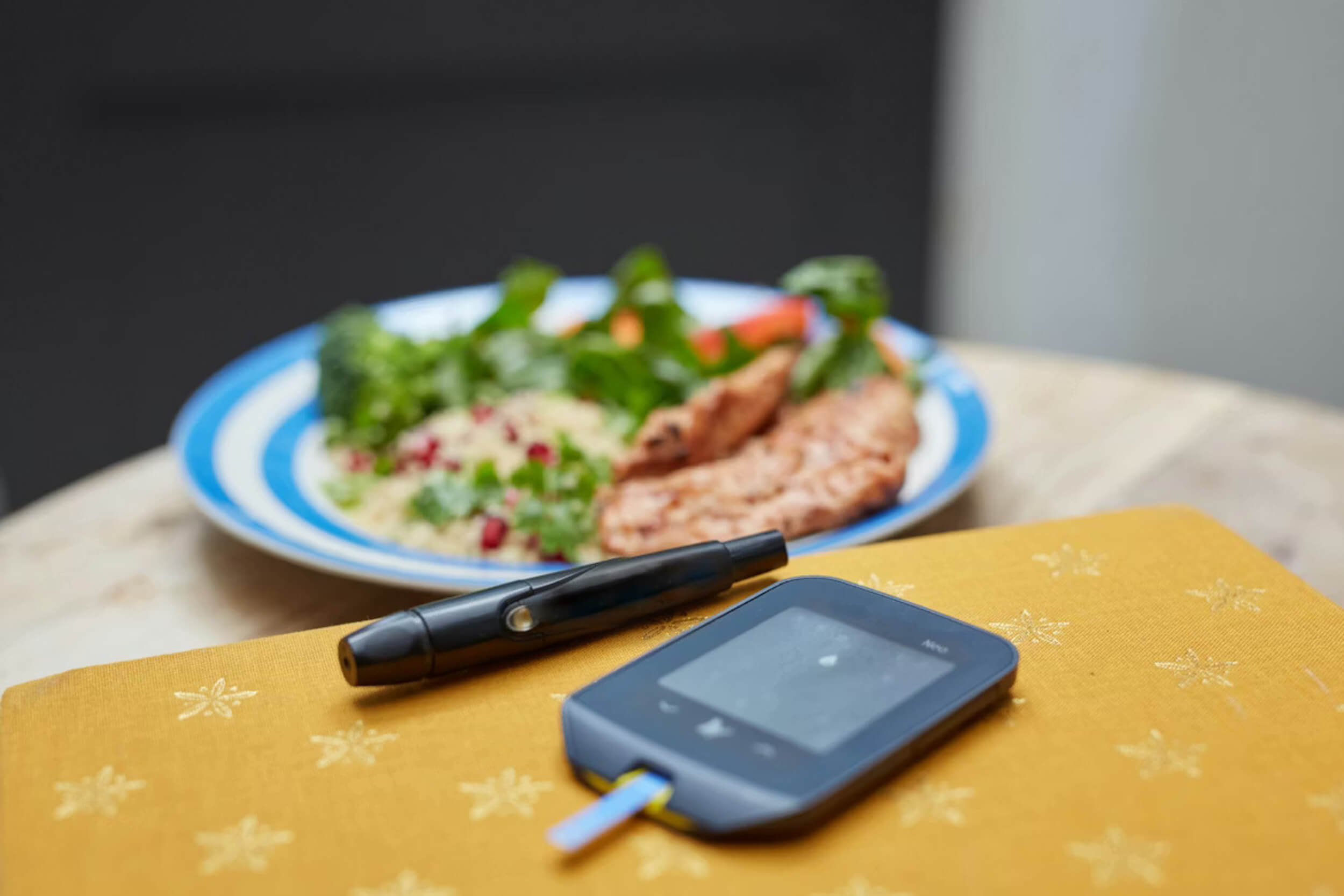

That sudden crash after eating or the random hunger that hits out of nowhere can feel frustrating. It often seems like blood sugar is only about avoiding sweets, but there’s more going on behind the scenes. How often you eat, what you combine on your plate, and how your body responds all play a part.

Daily routines don’t always make things easy. Quick meals, grabbing snacks, or eating while distracted can lead to sudden spikes without you realizing it. It’s not about lack of effort—it’s just how busy life is set up.
Here’s the part that changes everything: you don’t need strict rules to keep blood sugar stable. Simple adjustments can help more than you think. Your favorite foods don’t have to go anywhere.
What really helps is balance. Once you start noticing how foods work together, your body begins to feel more steady—and managing your energy becomes a lot less stressful.
The Truth About Your Favorite Foods and Blood Sugar
That plate of rice, a slice of bread, or even dessert at the end of a meal—these don’t need to feel like “bad choices.” A lot of people blame certain foods right away, but the real issue is usually how they’re eaten. Large portions or eating carbs on their own can cause a fast spike, then a quick drop that leaves you feeling tired or hungry again.
Here’s where things start to shift. You don’t have to remove your favorite foods to keep blood sugar stable. You just need to change how they show up on your plate.
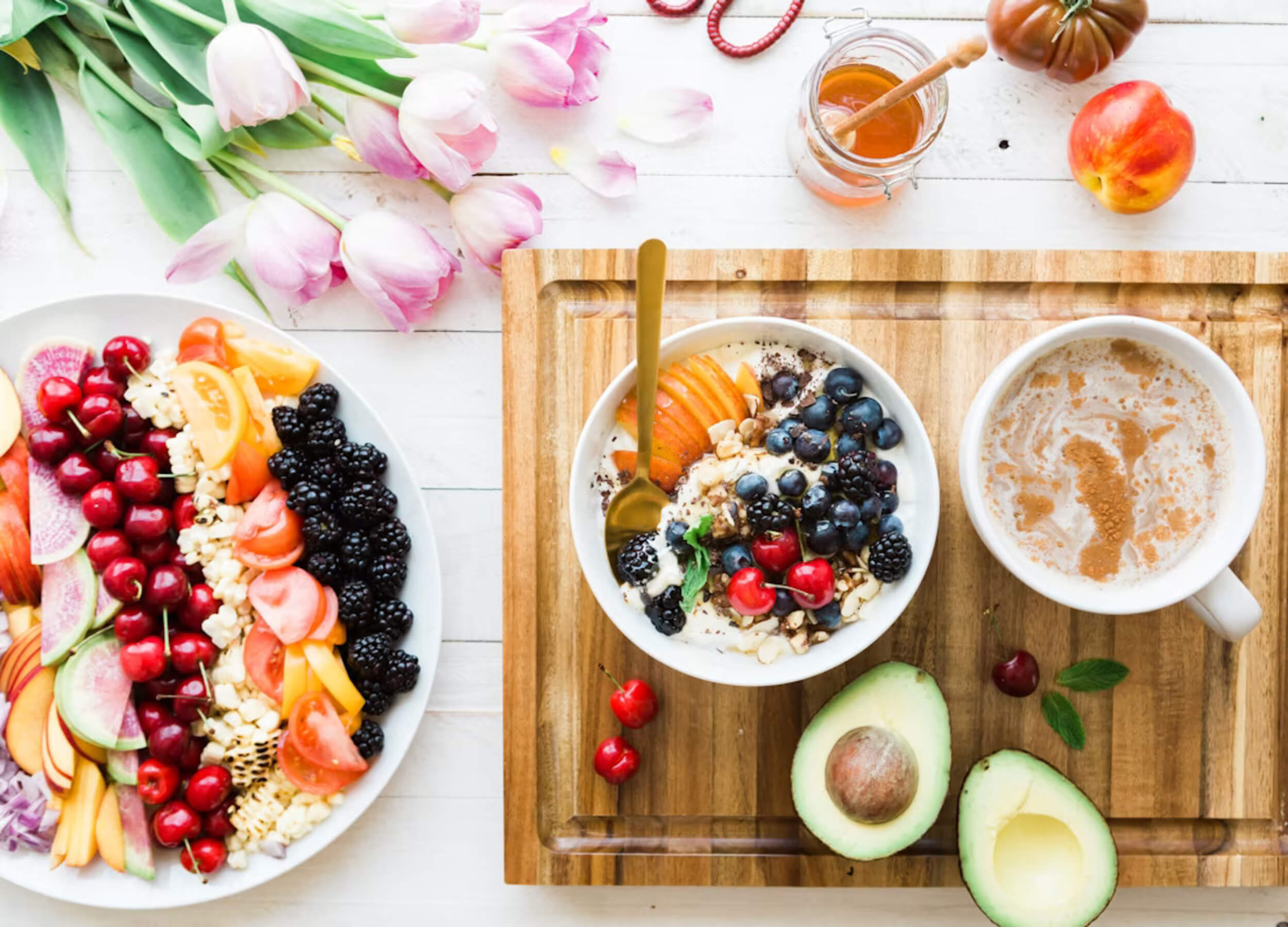
Pairing carbs with protein or healthy fats slows things down inside your body. A simple change like adding chicken to rice or peanut butter to toast can make a big difference.
It’s not about giving things up—it’s about making smarter combinations that help your body feel more balanced without taking away what you enjoy.
How Simple Food Pairing Can Prevent Sudden Spikes
Food doesn’t hit your body all at once—it goes through a process. Carbohydrates break down into glucose, which raises blood sugar. That’s normal. The problem comes when it happens too fast.
One simple fix can help keep blood sugar stable without removing the foods you like. Adding protein, fiber, or healthy fats slows down how quickly sugar enters your bloodstream. This helps your energy stay more steady instead of jumping up and crashing later.
You don’t need complicated meals to do this:
• Toast feels better with eggs instead of eating it plain
• Fruit becomes more balanced when paired with yogurt
• A meal feels steadier when vegetables are added to the plate
These small changes don’t take effort, but they change how your body reacts. Food starts working with you, not against you.
Once you get used to pairing foods this way, another piece becomes easier to notice—how much you’re eating also matters.
Why Portion Awareness Matters More Than Strict Dieting
Strict diets can feel tiring, and most don’t last. What actually helps is paying attention to how much you’re eating and how it makes you feel. Even healthy meals can cause a spike if the portion is too large.
You don’t need to cut foods out to keep blood sugar stable. You just need to stay aware. Small signs can tell you a lot:
• Feeling too full after eating
• Getting sleepy or low energy not long after a meal
These are simple signals your body gives when something feels off.
Instead of measuring every bite, focus on balance. Eating smaller, well-mixed meals can help your energy stay even through the day.
There’s no need for strict rules here. Just noticing your habits already puts you ahead.
From here, timing starts to matter just as much as what’s on your plate.
The Hidden Impact of Meal Timing on Your Energy Levels
Long gaps between meals can quietly throw your body off. Skipping meals or delaying eating might seem harmless, but it often leads to feeling too hungry later. That’s when overeating happens, and blood sugar can spike quickly.
Spacing meals in a more steady way can help keep blood sugar stable without adding stress to your routine. It doesn’t have to be exact. The goal is to avoid going too long without eating, then suddenly eating too much.
Think about common habits like skipping breakfast or pushing lunch too late. These small patterns can affect how your body feels for the rest of the day.
Keeping meals more consistent helps your energy stay even. Your body starts to feel more predictable, and those sudden highs and lows happen less often.
Another simple habit that supports this balance is something people often forget—staying hydrated.
How Staying Hydrated Supports Balanced Blood Sugar
Water might not seem like a big deal, but it plays a quiet role in how your body handles sugar. Even mild dehydration can make it harder for your body to manage glucose, which can lead to higher levels in the blood.
Drinking enough water is one of the easiest ways to keep blood sugar stable without changing your meals too much. It helps your body stay balanced and supports normal function.
Simple swaps can help here: choosing water instead of sugary drinks or cutting back on sweet beverages during the day.
You don’t need to force anything. Just staying mindful of your water intake can improve how you feel—more focused, less tired, and more steady overall.
With hydration in place, the next step becomes even more powerful—how you move throughout your day.
Why Daily Movement Makes a Bigger Difference Than You Think
Sitting for long hours, then wondering why energy feels off later—it happens more often than people realize. The body is built to move, and even small movement helps use sugar for energy instead of letting it build up in the bloodstream.
You don’t need long workouts to keep blood sugar stable. Simple actions already count:
• A short walk after meals
• Standing up and stretching after sitting for a while
These small habits help your body handle food better. It’s not about doing more—it’s about doing it more often.
Consistency matters more than intensity. A few minutes here and there can make a bigger difference than one hard workout once in a while.
As movement becomes part of your day, your body starts to respond more smoothly to meals. But even with good habits in place, one thing can still throw everything off—stress.
The Role of Stress in Blood Sugar Fluctuations
Stress doesn’t just affect your mood—it affects your body too. Even without eating, stress can raise your blood sugar. That’s because your body thinks it needs extra energy to handle pressure, so it releases stored sugar into the bloodstream.
This is why you can still struggle to keep blood sugar stable during busy or stressful days. Work pressure, lack of rest, or constant worry can quietly affect your levels.
The goal isn’t to remove stress completely. That’s not realistic. What helps is lowering how much it affects you.
Small habits can help:
• Taking a few slow breaths
• Stepping away for a short break
• Giving yourself time to reset
These simple actions can calm your body and prevent extra spikes.
Once stress is more manageable, another hidden factor becomes easier to notice—your sleep.
How Sleep Quality Affects Blood Sugar Without You Noticing
A rough night of sleep can show up the next day in ways you don’t expect. Feeling extra hungry, craving quick snacks, or lacking energy can all be tied to poor rest.
Sleep plays a quiet but important role in how your body handles sugar. When sleep is lacking, your body may not respond well to insulin, which makes it harder to keep blood sugar stable.
It’s not just about feeling tired. It also affects your choices. You’re more likely to reach for fast, high-carb foods when energy is low.
Better sleep doesn’t have to be complicated. Small changes—like having a regular bedtime or limiting screen time before bed—can help.
When your body gets enough rest, everything starts to feel more balanced, including how you eat and move.
This is where everything comes together—through simple, steady habits.
Why Small Daily Habits Work Better Than Extreme Changes
Big changes can feel exciting at first, but they’re hard to keep up. What really works are small habits that fit into your daily life.
You don’t need strict diets to keep blood sugar stable. Simple actions done consistently can bring better results than extreme changes that don’t last.
Think about the basics working together:
• Balanced meals
• Drinking enough water
• Moving throughout the day
• Getting enough rest
Each one supports the other. You don’t have to do everything perfectly. Just doing a little better each day adds up.
Progress doesn’t happen all at once. It builds slowly, in ways you might not notice right away—but your body does.
These steady changes lead to something that feels easier to manage, and that’s what makes them stick.
Now it all leads to one simple truth about balance.
Conclusion
Giving up your favorite foods isn’t the answer. Finding balance is what makes change last.
You can still enjoy the meals you love and keep blood sugar stable at the same time. It comes down to small choices—how you pair foods, how much you eat, and how you support your body each day.
Perfection isn’t needed. Awareness matters more. Paying attention to how you feel after meals, how your energy shifts, and what works for you makes a real difference.
These small changes may seem simple, but they can lead to better energy, clearer focus, and a more steady day.
It’s not about restriction. It’s about feeling in control without losing the foods that make you happy.