
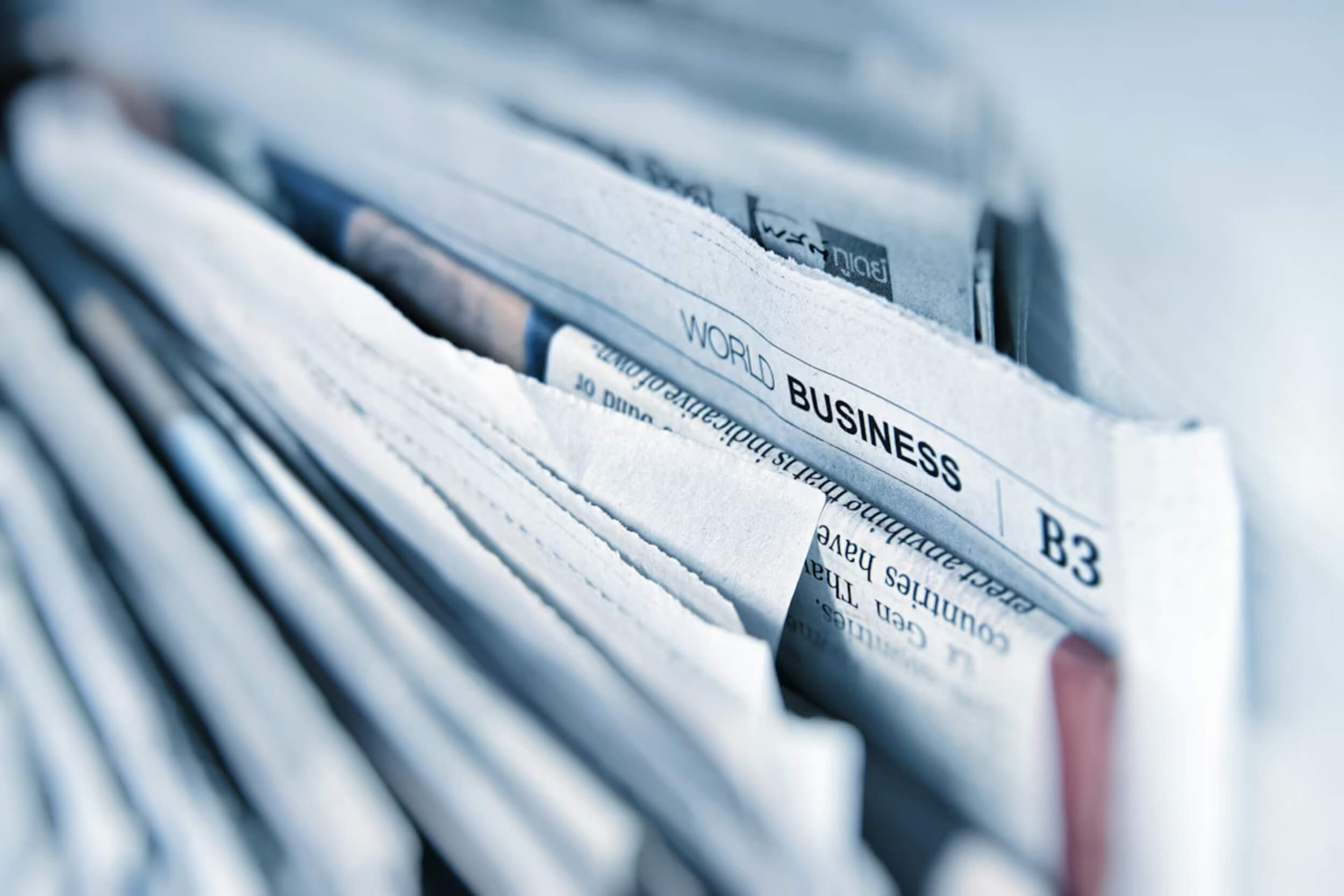
How often do you reach for your phone “just for a second,” and suddenly you’re deep into headlines you didn’t plan to read? News doesn’t wait anymore—it shows up anytime, anywhere, even when you’re trying to relax.

At first, it feels harmless. You think you’re just catching up. But then your mood shifts a little. You feel off, maybe a bit tense or mentally tired, without a clear reason. This is exactly why too much news can drain you—it keeps your mind busy long after you’ve stopped reading.
Each alert, story, and update adds another layer for your brain to sort through. And your brain doesn’t just ignore it—it holds onto it.
What starts as a quick check slowly follows you through the day. Your focus drifts, your energy dips, and it becomes harder to feel calm.
That’s when staying informed stops feeling helpful—and starts feeling heavy.
Why Your Mind Reacts Strongly to Negative News
Have you noticed how one bad headline can stick with you longer than ten good ones? That’s not random—your brain is built to spot problems first. It’s a safety habit that helped people survive, but today it can make negative news feel bigger than it really is.
When you see stories about danger or loss, your mind reacts like it’s happening close to you. Your body may even feel tense without you realizing it. That’s one reason why too much news can drain you—it keeps your brain in a state of alert.
Instead of moving on, your mind holds onto these stories. You may catch yourself replaying them or thinking about “what if” situations.
Here are a few common signs this is happening:
- You keep thinking about a story long after seeing it
- You feel uneasy without a clear reason
- You start expecting the worst in normal situations
This reaction is normal. But when it happens often, it can pull your focus toward fear instead of balance.
The Subtle Ways Too Much News Affects Your Daily Life
The effects don’t always hit you all at once. They build slowly, which makes them easy to miss at first.
You might go to bed feeling tired but still find your mind running. Or you may notice that small tasks feel harder than usual. That’s because your attention is already being used up. This is another way why too much news can drain you—it takes your mental energy before your day even fully begins.
Here are a few quiet changes you might notice:
- Sleep feels lighter or broken
- You feel easily annoyed or on edge
- Simple decisions take more effort
- Your focus drifts more than usual
These changes can make everyday life feel heavier than it should.
You may also find yourself thinking more about things you can’t control. Instead of being present, your mind stays stuck on outside problems.
Little by little, this adds up. And before you realize it, your energy feels low—even if nothing major has happened in your own life.
When Social Media Turns News Into a Loop
Have you ever opened social media for a quick scroll and ended up seeing the same type of news over and over? That’s not by accident.
Social media doesn’t just show you updates—it keeps feeding you what grabs your attention. And most of the time, that means emotional or dramatic stories. This is another reason why too much news can drain you—it keeps the same kind of content in front of you again and again.
You may not even notice how much you’re taking in. But your mind does.
Watch for these patterns:
- You keep scrolling without meaning to
- The same topics keep showing up
- Your mood shifts after using your phone
Even when you’re not fully focused, the information still affects you. It becomes background noise that never really stops.
Over time, this loop can make everything feel more intense than it actually is—and harder to step away from.
The Shift From Staying Informed to Feeling Drained
There comes a point where checking the news stops helping and starts weighing you down.
At first, it feels useful. You feel like you’re staying updated and aware. But when it becomes a habit you don’t question, things begin to change. This is where why too much news can drain you becomes clear—it starts taking more than it gives.
You may notice:
- You’re checking updates without thinking
- You feel more worried than informed
- You don’t feel clearer after reading
Instead of giving you answers, the news adds more thoughts to your mind. And most of them don’t lead to action.
That’s when it starts to feel heavy.
You’re not doing anything wrong—it’s just a sign that your habits need a small reset so they can support you again.
Creating Distance Without Disconnecting Completely
You don’t have to cut yourself off from the news to feel better. The real shift comes from changing how you engage with it.
Choosing When You Check Updates
What if you stopped checking the news every time your phone lights up? Setting a simple schedule can help more than you think.
Pick a time that works for you—maybe once in the morning or later in the day. This keeps your mind from jumping from one update to another.
This is one way why too much news can drain you—constant checking breaks your focus.
When you control when you check, you give your mind space to stay calm and clear instead of always reacting.
Limiting Unnecessary Exposure
Not every alert deserves your attention. Some updates only add noise without adding value.
Turning off notifications or cutting back on screen time can give your mind a real break.
Here are simple ways to start:
- Mute breaking news alerts
- Unfollow accounts that stress you out
- Set limits on social media use
This doesn’t mean you’re ignoring what’s happening. It means you’re choosing what matters.
And that choice helps protect your energy in a way that feels steady and manageable.
Building Habits That Protect Your Energy
Once you’ve created a little space from constant updates, the next step is simple—build habits that help you feel better, not worse.
It’s not about doing something big. It’s about small changes that protect your focus and energy each day. This is where why too much news can drain you becomes easier to manage—because you’re no longer taking in everything without thinking.
Start by paying attention to how news actually affects you. Then replace some of that time with things that help you feel steady again.
These habits don’t need to be perfect. They just need to work for you.
Over time, they can help you feel more in control, more focused, and less pulled in different directions.
Paying Attention to How You Feel After Consuming News
Have you ever checked the news and felt off right after? That feeling matters more than you think.
Your reaction is a signal. If you feel tense, distracted, or uneasy, your mind is telling you to pause. This is one clear sign why too much news can drain you—it pushes your limits without warning.
Look for these signs:
- You feel stressed after reading headlines
- Your mood shifts quickly
- You can’t focus on what you were doing
Noticing this helps you step back before it builds up.
Replacing News Time With Something That Grounds You
What if you gave your mind a break instead of filling every quiet moment with updates?
You don’t need anything complicated. Simple things work best.
Try this instead:
- Take a short walk
- Do a small task you’ve been putting off
- Sit quietly for a few minutes without your phone
These small shifts help your mind slow down.
This is another way why too much news can drain you—it replaces calm moments with constant input.
When you change that habit, you give your energy a chance to come back.
Why Focusing on What You Can Control Changes Everything
A big reason news feels heavy is because it often shows problems you can’t fix.
When your mind stays on things outside your control, it creates stress that has nowhere to go. This is another reason why too much news can drain you—it keeps your attention on things you can’t change.
But when you shift your focus, something changes.
You start putting energy into what actually matters in your life.
Here’s what that can look like:
- Taking care of your daily routine
- Making simple decisions that support you
- Focusing on your own environment
This doesn’t mean ignoring the world. It just means choosing where your energy goes.
And when your energy goes toward things you can control, you feel more steady, less overwhelmed, and more clear in your day.
Bringing Balance Back Into How You Stay Informed
You don’t need to stop checking the news. You just need a better way of doing it.
Balance is what makes the difference. And once you find it, everything starts to feel lighter. This is how you reduce why too much news can drain you—you stop letting it take over your attention.
Start with simple choices:
- Stick to a few trusted sources
- Avoid headlines that are meant to trigger strong reactions
- Mix in positive or neutral content
When you do this, the news becomes something you check—not something that follows you all day.
You stay informed, but you also protect your mental space.
Over time, this balance helps you feel calmer and more in control. Instead of reacting to everything, you decide what matters and what doesn’t.
And that shift makes a bigger difference than you might expect.
Conclusion
News is part of everyday life, but it shouldn’t take away your peace.
If you’ve been feeling more tired, distracted, or on edge, it may not be random. It could be a sign of why too much news can drain you—especially when it’s constant and unfiltered.
The good part is, small changes can turn things around.
You don’t need to cut everything off. You just need to:
- Set simple limits
- Choose what you pay attention to
- Focus more on what you can control
These steps may seem small, but they add up quickly.
When you take control of how you consume news, you also take back your time, your focus, and your energy.
And that can change how your whole day feels—one small shift at a time.