

Stress doesn’t always start in your thoughts. Most of the time, it shows up in the body first. Tight shoulders. A stiff neck. A jaw you didn’t realize you were clenching. A tired feeling that doesn’t go away, even after rest. Modern life keeps us “on” all the time—screens, deadlines, noise, and constant demands. That low-level pressure builds quietly, and the body holds it long before the mind catches up.

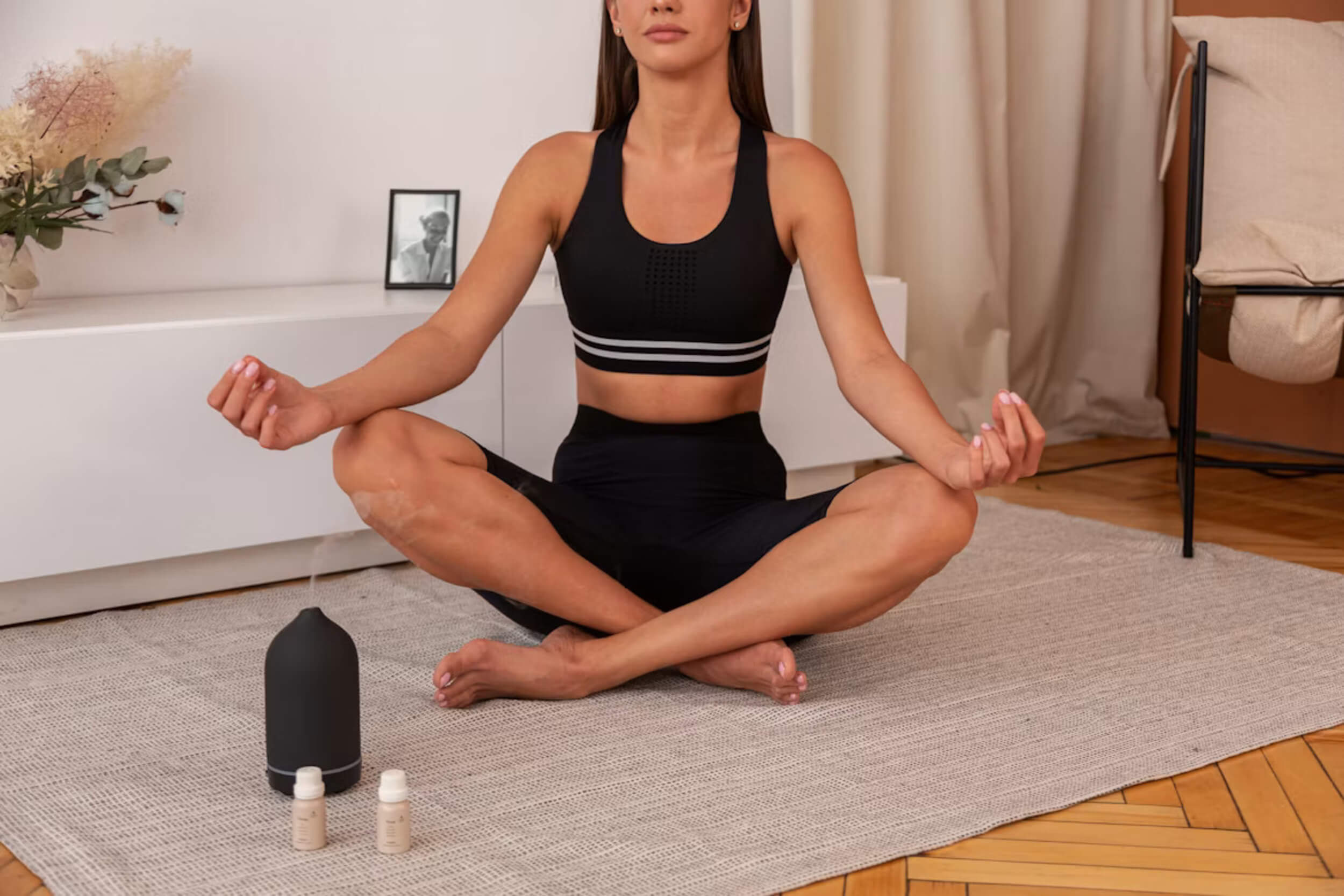
This is where simple yoga practices can help. Not as a workout. Not as something to master or perfect. But as a gentle way to check in with your body and release what it’s been carrying. Yoga slows things down. It helps muscles soften, breathing steady, and tension ease without forcing anything. Over time, it becomes less about fixing stress and more about noticing it early—before it takes over. That shift alone can change how stress feels, day to day.
Why Yoga Works When Stress Feels Overwhelming
Stress can hit fast and hard. One minute you’re fine, then your body feels tight, your chest feels heavy, and your thoughts won’t slow down. This happens because stress puts your body into a constant alert mode. Your system thinks it needs to protect you, even when there’s no real danger. Yoga works because it helps turn that alert mode off.
Yoga is not about being flexible or strong. It’s about helping your body calm down. Slow movements, steady breathing, and gentle focus work together to shift your body into a safer state. When this happens, muscles soften, breathing slows, and your nervous system begins to settle.
This is why simple yoga practices can feel so effective. They don’t ask your body to do more. They ask it to feel safe again. With regular practice, your body learns it doesn’t need to stay tense all day. Stress still shows up, but it doesn’t take control as quickly. That shift makes daily life feel more manageable and less overwhelming.
Yoga Is More Than Stretching — It’s a Way to Slow the Mind
Many people think yoga is only about stretching tight muscles. Stretching helps, but stress doesn’t live in muscles alone. It builds up in the neck, shoulders, jaw, and lower back, but it also lives in fast thoughts and shallow breathing.
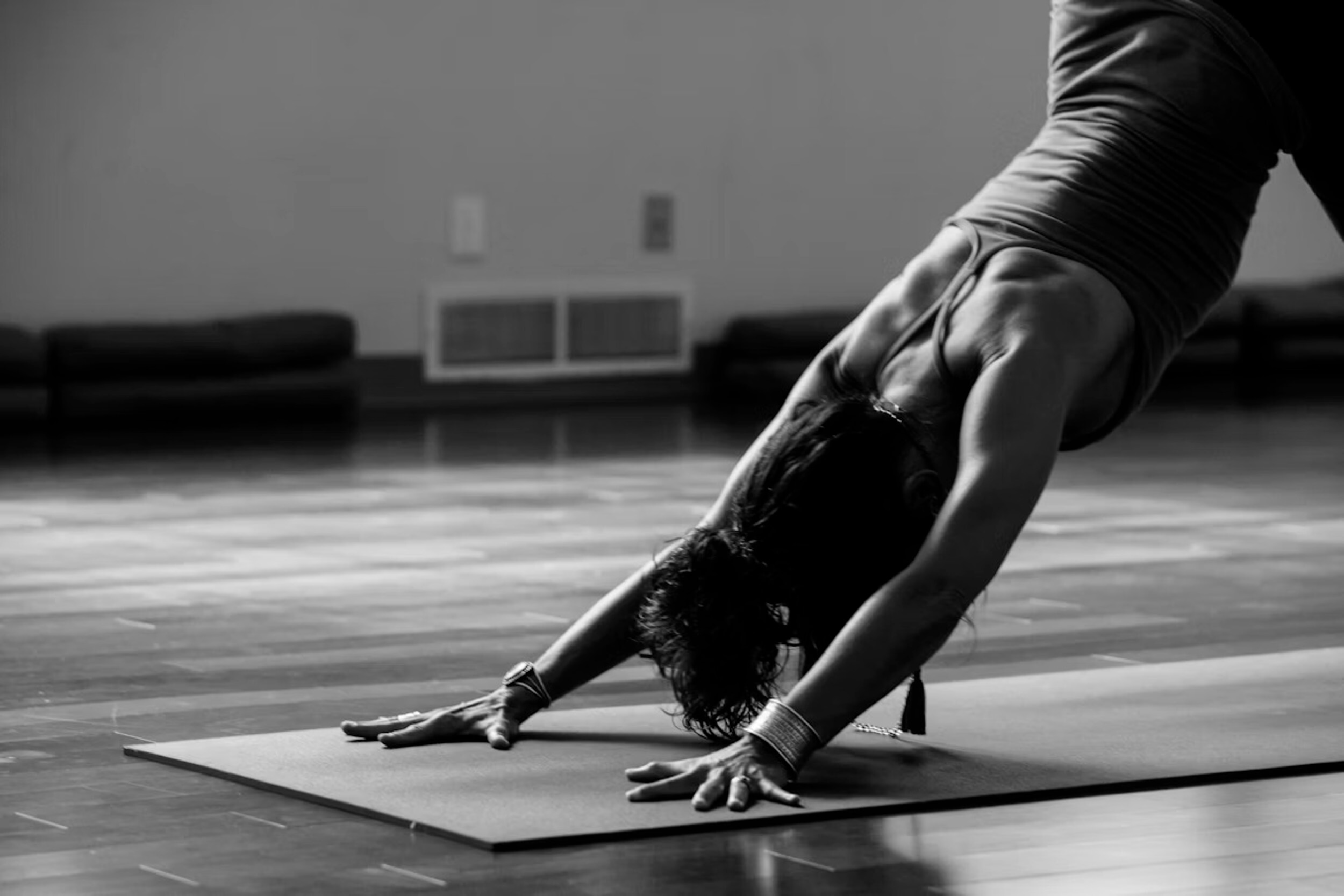
Gentle movements can release tension stored in the body. A slow neck roll can ease stiffness. A forward fold can soften the lower back. Letting the shoulders drop can bring relief you didn’t know you needed. These small actions help, but the real benefit comes from slowing down while you move.
Yoga gives your mind a place to rest. Instead of rushing through movement, you start noticing how your body feels. You notice when something feels tight. You notice when it begins to ease. This kind of attention naturally slows the mind without forcing it to stop thinking. Little by little, your thoughts feel less crowded, and your body feels more at ease.
How Attention Changes the Effect of a Pose
Stress relief doesn’t come from complex poses. It comes from paying attention. When you notice how your body feels, how steady your breathing is, and how much effort you’re using, even a basic stretch becomes calming. You learn when to soften instead of push. This awareness carries into daily life. You start noticing tension sooner and easing it before it builds. That small shift helps you feel more in control of stress.
Breathing as the Bridge Between Body and Calm
Breathing has a direct effect on how stressed or calm you feel. Fast, shallow breathing tells the body to stay alert. Slow, deep breathing sends a signal that it’s safe to relax. Yoga uses breathing to guide the body back into calm without forcing anything.
One of the most natural ways to breathe is through the belly. When the belly rises and falls, the body relaxes more easily. This isn’t something you need to master. It’s a natural pattern that returns when the body feels safe. Gentle yoga movements make this kind of breathing easier.
The goal isn’t long sessions or perfect breathing. It’s simple and steady practice. A few slow breaths, repeated often, can lower tension throughout the day. Over time, simple yoga practices that include calm breathing help your body recover from stress faster and stay balanced longer.
Learning to Use the Breath During Discomfort
When something feels uncomfortable, the breath can help you stay steady. Slowing your breathing during a stretch, a hard conversation, or a stressful decision reduces the urge to react. You learn that discomfort doesn’t always mean danger. This builds trust in yourself. You begin to pause instead of panic. That confidence makes stressful moments easier to handle, both on and off the mat.
Staying Present Instead of Mentally Replaying or Rushing Ahead
Stress often pulls your mind away from the present. You replay past moments or worry about what’s coming next. Yoga helps train your attention to stay where you are. During practice, you focus on simple things like breathing, balance, or movement. When your mind drifts, you gently bring it back.
This builds a useful skill. Staying present reduces mental noise and emotional overwhelm. You stop adding extra stress by replaying things you can’t change or worrying about problems that haven’t happened. With practice, your reactions soften. You feel more grounded and less pulled in different directions. Life still moves fast, but you feel steadier inside it.
Why “Being in the Moment” Reduces Stress Over Time
Being present doesn’t mean clearing your mind. It means giving your attention something steady, like your breath or movement. This lowers mental strain and improves focus. When attention stays with the body, emotions feel easier to manage. You notice tension sooner. You pause instead of reacting. That steady response builds resilience and reduces overwhelm. Daily moments feel more manageable. Stress still appears, but it no longer controls every reaction. Presence becomes a quiet skill you can use anywhere. It helps you stay calm during conversations, work pressure, and unexpected situations.
Using Yoga in Real-Life Stressful Moments
Yoga doesn’t need a mat, quiet music, or a long block of time. Stress usually shows up in real life while studying, working, commuting, or trying to rest at night. That’s when yoga can help most. Small movements and calm breathing support your body the moment tension starts to rise, without changing your routine.
Lowering your shoulders, gently turning your neck, or slowing your breath can interrupt stress before it builds. These actions don’t require privacy or special effort. They fit naturally into moments you’re already living. When the body feels tight, a few seconds of awareness can help it reset and soften.
This makes yoga feel realistic instead of overwhelming. You begin using it as support rather than another task to complete. These small choices remind your body that stress doesn’t need full control. This is why simple yoga practices are so effective. They meet you where you are and work within everyday life, even on the busiest days.
Short Practices That Fit Into Busy Days
Brief pauses can interrupt stress before it piles up. A slow breath. A shoulder drop. A moment to relax your jaw. These small breaks don’t require discipline, planning, or strong motivation. They work because you give yourself permission to pause. Helpful moments often include:
• slowing one breath
• dropping the shoulders
• unclenching the jaw
• sitting still briefly
Even a short pause can calm the body and clear the mind. Small pauses still count, especially when days feel busy and demanding. They help you reset without effort or time pressure today gently.

Evening Yoga as a Way to Let the Day Go
Stress often builds quietly during the day. You move from task to task without noticing how much tension you’re holding. By evening, your body feels tired, but your mind keeps going. Gentle evening yoga helps create a clear ending to the day and signals rest.
Slow movements and calm breathing release tension stored in the body. Folding forward, stretching the back, or resting still helps the nervous system shift out of alert mode. Helpful evening actions often include:
• slower breathing
• gentle stretching
• resting without effort
• lowering stimulation
There’s no goal to reach. The focus is softness and slowing down. Evening yoga sends a signal that the day is finished. This makes it easier for both the body and mind to settle. When the body feels supported, letting go feels natural and safe. It creates a gentle boundary between activity and rest, helping sleep arrive with less effort and fewer racing thoughts for calm nights ahead that feel steady and quiet.
Why Forward-Folding and Restorative Shapes Feel So Calming
These shapes feel calming because they reduce effort and invite stillness. Folding forward protects the front of the body and signals safety. Resting poses allow breathing to slow without force. Helpful effects often include:
• less muscle tension
• slower breathing
• quieter thoughts
• reduced alertness
Nothing needs fixing or pushing. When the body feels supported, it settles naturally. This ease calms the nervous system and quiets the mind. It also encourages rest, trust, and a sense of safety that helps stress release without effort during quiet moments of practice and daily life.
Building a Sustainable Yoga Habit Without Pressure
Many people think they need more time, motivation, or confidence to start yoga. That belief often becomes the biggest barrier. A sustainable habit doesn’t come from pressure. It comes from kindness and realistic expectations.
Short, regular practice builds trust with your body. You show up gently instead of forcing results. Some days might be a few breaths. Other days might be a short stretch. Both matter. Supportive habits often look like:
• practicing briefly
• choosing comfort
• stopping before strain
• returning without guilt
Simple yoga practices work best when they feel supportive, not demanding. When practice feels kind, stress becomes easier to manage in daily life. This approach removes pressure and builds consistency by meeting your body where it is, allowing progress to grow without force or comparison. It creates a habit that feels safe, flexible, and easy to return to even during busy weeks or low energy days without guilt or self judgment about missed sessions or breaks.
What Yoga Teaches Beyond Stress Relief
Yoga offers more than stress relief. It helps you notice patterns in how you react, where you hold tension, and when you need rest. This awareness supports emotional balance and patience. You begin responding instead of reacting. Small choices feel clearer. You learn when to pause and when to move forward.
Helpful lessons often include:
• listening to body signals
• respecting limits
• resting before burnout
• choosing calm responses
These skills strengthen resilience without force. Yoga becomes a way of listening to your body and respecting its limits. That awareness carries into daily life, supporting steadier emotions, healthier boundaries, and better self-care habits. This gentle learning builds confidence in handling challenges and creates space for thoughtful decisions during stress across work, relationships, health choices, and everyday responsibilities without rushing, forcing outcomes, or ignoring personal needs that support ongoing well being in a balanced and caring way for daily living with steadiness inside.
Conclusion
Stress is part of life. Yoga doesn’t remove it, but it changes how you meet it. Gentle movement, steady breathing, and awareness help the body respond with more ease. Progress comes from consistency, not intensity. Small practices done with care can change how stress feels.
You don’t need perfection to benefit. You need presence. When yoga becomes support instead of pressure, it stays with you. This steady relationship helps you feel grounded during busy days and uncertain moments. Stress still appears, but it no longer controls every response. You gain space to pause, breathe, and choose calm. With steady practice, the body remembers how to soften and recover. That support carries into daily life, helping you move through challenges with clarity, balance, and trust. These small shifts create lasting calm and confidence without forcing change or chasing perfect outcomes during work, relationships, health decisions, and personal growth that unfolds gently as days pass with patience and care for yourself daily.