



Most relationships don’t fall apart in one big moment. They drift in the small ones—when we stop checking in, stop noticing, stop trying. The good news is that the same is true the other way around. The habits that keep relationships strong are usually quiet: a quick “How are you, really?”, a five-second hug, a kind tone when you’re tired, a simple apology when you miss the mark.

These little choices build emotional safety, trust, and closeness over time because they tell your partner, “You matter to me.” This isn’t about being perfect or fixing anyone. It’s about showing up in small ways, most days—on busy days, too. So what does a “strong” relationship actually look like in real life?
What a Strong Relationship Looks Like Day to Day
A strong relationship doesn’t mean you never argue or always agree. It means you feel safe being yourself, even on hard days. On the surface, some couples look fine—they’re polite, calm, and rarely fight. But real strength goes deeper than quiet harmony. It shows up when both people feel heard, supported, and cared for, even when life feels messy.
In strong relationships, there’s room for honesty without fear. You can speak up without worrying that it will turn into a fight or silence. Disagreements happen, but they don’t shake the sense of “we’re okay.” Both people stay responsive instead of pulling away or shutting down.
What keeps that feeling steady isn’t big gestures or dramatic promises. It’s mutual effort—checking in, showing care, and paying attention to each other’s needs. These everyday choices are part of the habits that keep relationships strong, even when routines feel boring or stressful. And those habits don’t appear overnight. They grow from small actions repeated daily, which quietly shape how secure the relationship feels.
How Small Habits Shape Emotional Safety
Emotional safety is the feeling that you matter and that your feelings won’t be brushed off or used against you. It’s knowing you can be honest without walking on eggshells. This sense of safety doesn’t come from intense moments or big talks alone. It comes from what happens every day.
Simple habits—like keeping your word, showing up on time, or responding kindly—send a clear message: “You can count on me.” Over time, predictability builds trust. When someone knows what to expect from you, their guard lowers.
On the other hand, small slips add up too. Ignoring messages, using a harsh tone, or avoiding tough talks can slowly create distance. These moments may seem minor, but they stack up just like positive ones.
That’s why the habits that keep relationships strong are often quiet and easy to miss. They create a steady sense of respect and care. And one of the most important of these habits starts with how we communicate.
Staying Emotionally Connected Through Everyday Communication
Good communication isn’t about talking all the time. It’s about making daily exchanges feel clear, kind, and safe.
Speaking Needs Clearly Instead of Expecting Mind-Reading
Many problems start when people assume their partner “should just know.” Unspoken expectations often lead to disappointment and frustration. Saying what you need—calmly and directly—removes guesswork. Clear words reduce tension and help both people stay on the same page.
Listening With Presence, Not Problem-Solving
Listening doesn’t mean waiting for your turn to talk or fix the issue. It means paying attention and letting the other person finish. Feeling heard helps people feel valued. Even a simple “I get why that upset you” can go a long way in keeping closeness strong.
Paying Attention to Tone, Timing, and Body Language
How something is said often matters more than what’s said. A calm tone, eye contact, or a gentle pause shows care. When words and actions match, trust grows. Mixed signals, even small ones, can create confusion and distance.
The Role of Shared Time in Long-Term Connection
Spending time together doesn’t have to mean long dates or packed schedules. What matters most is being present. Face-to-face time helps people feel connected in ways texts and quick updates can’t replace.
Many couples spend hours near each other but still feel far apart. Sitting in the same room while scrolling or watching separate screens isn’t the same as intentional time together. Real connection happens when attention is shared, even briefly.
Short, regular moments matter more than rare, big plans. A few minutes of talking before bed, a walk after dinner, or coffee together in the morning can strengthen emotional bonds. These small routines help couples stay in sync.
Over time, shared time creates shared memories, inside jokes, and a sense of “us.” That’s when connection deepens naturally, making it easier to face stress, change, and challenges together.
Growing Together Through Simple Shared Experiences
Closeness grows when two people build a life side by side, not just feelings side by side. Doing things together—big or small—creates a shared sense of “this is us.” That shared identity doesn’t come from constant excitement. It comes from showing up together in ordinary moments.
Routine activities matter more than people think. Cooking dinner, walking the dog, running errands, or watching a favorite show can feel meaningful when both people are present. These moments say, “I choose to be here with you,” even on regular days.
New experiences help too, but they don’t need pressure. Trying a new recipe, taking a different route on a walk, or learning something together can refresh connection without forcing change. It keeps the relationship feeling alive, not stuck.
These shared moments naturally lead into another daily habit—physical closeness—which often grows from feeling connected in simple, everyday ways.
Maintaining Physical Affection Beyond Romance
Physical affection isn’t only about romance or sex. It’s about comfort, reassurance, and feeling close. A quick hug, holding hands, or sitting close on the couch can help both people feel steady and supported.
Small gestures matter most because they happen often. A hand on the back, a gentle squeeze, or leaning into each other sends a quiet message: “I’m here.” These moments lower stress and help people feel safe together.
What matters just as much is awareness. Not everyone wants the same kind of touch at the same time. Paying attention to mood, timing, and comfort builds trust. Affection should feel welcome, not expected or forced.
When physical closeness is handled with care and respect, it supports balance in the relationship and opens the door to mutual understanding and give-and-take.
Practicing Give-and-Take Without Keeping Score
Healthy relationships feel balanced when both people give and receive without counting who did more. This kind of give-and-take helps avoid resentment and keeps the connection steady over time.
1. Understanding what matters most to each partner
Support doesn’t look the same to everyone. One person may feel cared for when chores are shared, while another feels closest through time and attention. When partners take time to learn what truly matters to each other, effort starts to land better. This awareness reduces misunderstandings and prevents the quiet buildup of resentment. Giving in ways your partner actually values makes your effort feel seen and appreciated, not overlooked.
2. Letting go of “winning” in daily interactions
Trying to win arguments or prove a point often creates distance. Compromise isn’t about losing—it’s about protecting the relationship. When respect stays in place during disagreements, trust grows. Feeling considered matters more than being right, and problems become easier to solve when both people focus on understanding instead of control.
Handling Conflict as Part of Daily Life, Not a Threat
Conflict doesn’t mean something is wrong with the relationship. It means two people are human. Disagreements often point to unmet needs, stress, or miscommunication—not failure.
Daily habits shape how conflict feels. When kindness, honesty, and respect are already part of the relationship, conflict feels safer. People stay open instead of defensive. Small habits like apologizing, staying calm, and taking breaks before things escalate make a big difference.
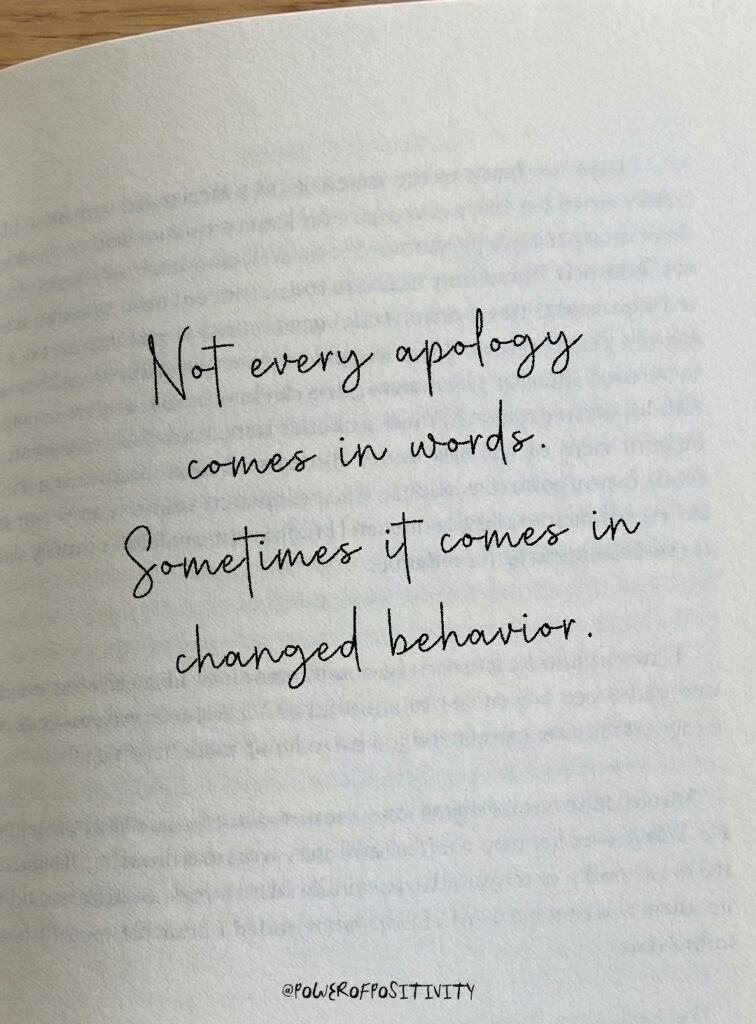
What matters most is repair. Saying “I was wrong,” listening after emotions cool, and making small changes rebuild trust. Accountability shows care, not weakness.
When conflict is handled with patience and respect, it strengthens emotional safety. Over time, couples become more confident that they can face problems together—and come out stronger.
Preparing for Change and Stress as a Team
Stress doesn’t create problems—it reveals habits already in place. Busy schedules, money worries, health changes, or family demands test how a couple handles pressure.
Strong relationships stay flexible. Instead of blaming each other, partners adjust together. They check in more, offer help, and lower expectations during hard times.
Seeing challenges as shared helps both people feel less alone. Life changes will happen whether a couple is ready or not. Facing them as a team builds resilience and trust.
This ability to adapt comes from the habits that keep relationships strong, practiced long before stress hits. Over time, those habits make change feel manageable instead of overwhelming.
When Small Habits Need Extra Support
Sometimes effort and care aren’t enough on their own. That doesn’t mean the relationship is failing. It means extra support may help.
Outside guidance can offer tools, perspective, and a safe space to talk. Seeking help is a form of maintenance, not a last resort. It shows commitment to growth, not weakness.
What matters most is shared willingness. When both people focus on understanding rather than blame, progress becomes possible. Support works best when it’s about strengthening the connection—not fixing one person.
Long-term relationships often thrive because partners know when to lean on help and when to lean on each other.
Conclusion
Strong relationships aren’t built through constant excitement or perfect behavior. They grow through daily choices—kind words, steady presence, and small acts of care. Consistency matters more than intensity.
These moments don’t always feel big, but they add up. Over time, they create trust, safety, and closeness. Patience and self-kindness matter too. No one gets it right every day.
The habits that keep relationships strong are simple, human, and repeatable. Practiced daily, they shape a connection that lasts—quietly, steadily, and with care.