


You can care deeply about someone and still feel tense most of the time. Your mind stays busy, replaying texts, tone, and small moments. You wonder if you said the wrong thing. You wait for the next shift in mood. Many people live like this and tell themselves it’s normal—that love is supposed to feel intense, confusing, or a little painful.

But here’s the real question: not do you love each other, but does the relationship feel safe to live inside?
Love that feels safe doesn’t keep your body on edge. It doesn’t make you guess where you stand or fear being too much. It brings a sense of steadiness, even when things aren’t perfect. The problem is, most of us were never taught to look for safety. We were taught to chase chemistry, passion, and emotional highs instead.
When safety is missing, intensity can look like love. Learning the difference can change everything—and it’s often the first step toward choosing love that feels safe.
Why So Many of Us Confuse Anxiety With Connection
For many people, love first showed up mixed with stress. Growing up, closeness may not have felt steady. Affection could disappear just as quickly as it appeared. Later relationships often repeated that same pattern of highs and lows. Over time, the body learns to link love with alertness. When something feels uncertain, it can feel familiar—and familiar can feel convincing.
This is how anxiety starts to look like connection. The waiting, the overthinking, the constant checking in your head can feel like caring deeply. When emotions swing between closeness and distance, the rush can be mistaken for meaning. But familiarity is not the same as health.
This confusion isn’t a flaw. It’s learned. Our nervous systems are shaped by what we’ve known, not by what’s best for us. When inconsistency feels normal, calm can feel empty at first. That doesn’t mean something is missing. It often means something new is happening.
Understanding this shift helps people stop blaming themselves and start asking better questions—especially when they are searching for love that feels safe instead of love that keeps them on edge.
The Cultural Stories That Teach Us the Wrong Lessons About Love
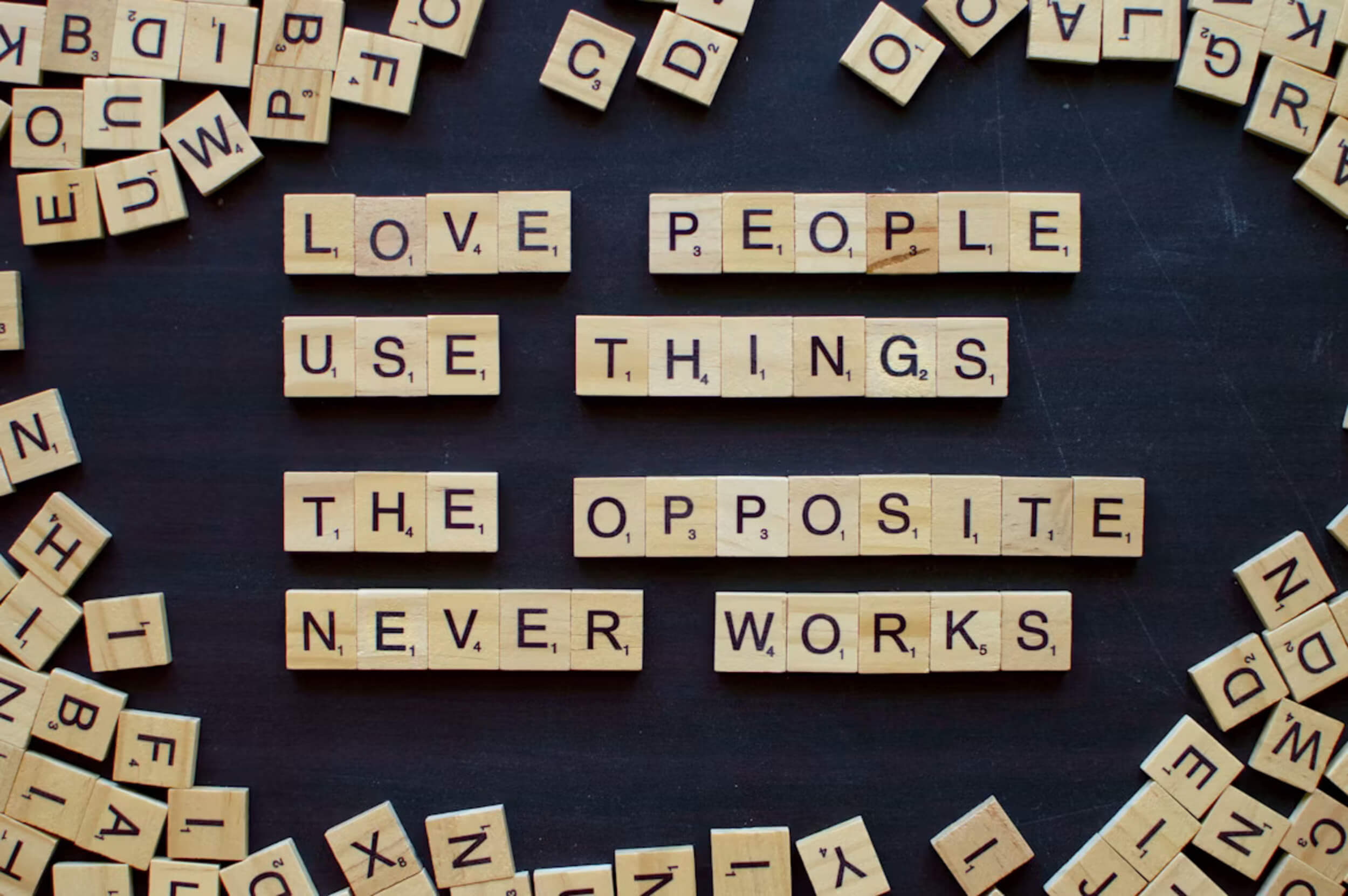
Movies, shows, and online stories often paint love as dramatic and overwhelming. Big emotions are shown as proof of depth. Sacrifice is framed as devotion. Struggle is treated like a test you must pass to earn closeness. These stories teach us that strong feelings equal strong bonds.
Over time, this trains people to trust emotional spikes more than emotional steadiness. If something feels calm, it can seem boring. If it feels chaotic, it can feel real. But strong feelings don’t always come from closeness. They often come from fear, uncertainty, or the urge to hold on.
Why These Stories Keep People Stuck
When intensity is treated as love, people learn to excuse behavior that hurts them. Instead of leaving, they stay longer than they should. They give more than they can afford. Over time, their own needs get pushed aside just to keep the peace. All of this gets framed as commitment.
But love by itself doesn’t fix patterns. It doesn’t calm fear. It doesn’t teach respect. And it doesn’t create emotional safety. Believing it does often delays clarity. Real connection needs steady effort, honest repair, and care from both sides. Without that, the story keeps repeating—even when it costs someone their sense of self.
What Love Feels Like When It’s Actually Safe
When love is healthy, the body notices first. Your shoulders aren’t always tight. Your thoughts don’t spiral after every conversation. You don’t feel like you’re walking on thin ice. There’s space to breathe.
Love that feels safe brings a quiet steadiness. You know where you stand. You don’t have to guess how the other person feels or read between the lines. When problems come up, they don’t feel like threats. They feel workable.
This kind of love doesn’t rush you. It doesn’t demand constant proof. It allows pauses, rest, and honesty. You can show up as you are, not as a version that’s more pleasing or less complicated. You don’t feel the need to manage the other person’s mood just to stay connected.
Safe love isn’t perfect. Disagreements still happen. Feelings still get hurt sometimes. The difference is what comes next. When things break down, they’re repaired. Promises are followed through. Effort isn’t a one-time thing.
Rather than highs and crashes, the feeling is warm and steady. Urgency is replaced with trust. Instead of feeling consumed, you feel supported. This kind of connection builds confidence instead of wearing you down. It doesn’t take over your life—it fits into it in a way that feels steady and real.
How Healthy Relationships Support Identity Instead of Eroding It
In a healthy relationship, closeness doesn’t require losing yourself. You’re still allowed your opinions, your friendships, and your interests. Time apart doesn’t feel dangerous. Independence isn’t treated as a threat.
When love is secure, no one has to perform to be chosen. There’s no need to shrink yourself or always say yes. Care isn’t something you earn by being quiet. You’re valued for who you are.
Love that feels safe protects identity. It allows growth without fear. Both people can change, learn, and stretch without the relationship falling apart. Trust grows when each person is allowed to be real.
When identity is supported, closeness becomes deeper, not heavier. Intimacy grows from honesty, not pressure. You don’t lose yourself to keep love—you bring yourself into it.
The Difference Between Growth-Oriented Conflict and Relationship Threat
All relationships have conflict. What matters is how it feels when it happens. In unsafe dynamics, disagreements trigger fear—fear of being ignored, punished, or left. Silence, blame, or shutdown replace understanding.
In healthy relationships, conflict feels different. There’s discomfort, but not danger. You can speak without bracing yourself. You can listen without preparing to defend. The goal isn’t winning—it’s understanding.
Repair is key. Apologies are followed by change. Accountability isn’t one-sided. Both people take responsibility for their part. Over time, trust grows because issues don’t get buried or explode later.
Safety doesn’t mean avoiding tension. It means knowing the relationship can handle it. Even in hard moments, there’s respect and care underneath. That’s what keeps conflict from turning into harm.
When Attachment Wounds Shape How Love Feels
Early relationships teach us what to expect from closeness. When care was inconsistent, controlling, or distant, the body adapts. Some people learn to cling tightly. Others learn to pull away. Both are ways to protect yourself.
These patterns don’t mean something is wrong with you. They are learned responses. They affect how safe closeness feels, how trust builds, and how emotions are handled during stress.
Awareness changes everything. When you notice your patterns, you gain choice. Pausing becomes an option instead of reacting on instinct. Clarity can be asked for, rather than guessing the worst. That shift opens the door to love that feels safe, not what only feels familiar.
Why Healthy Love Doesn’t Ask One Person to Carry the Relationship
In unhealthy dynamics, one person often does most of the work. They smooth things over, fix problems, manage emotions, and keep the connection alive. Over time, this creates exhaustion and resentment.
Healthy relationships don’t work that way. Both people show up and take responsibility. Repair happens on both sides. Each person cares about how their actions affect the other. Emotional effort is shared.
This balance matters. Love that feels safe doesn’t rely on one person holding everything together. It grows when responsibility, communication, and care move in both directions.
Choosing Relationships That Feel Steady Instead of Familiar
Growth can feel strange at first. When you’re used to emotional swings, calm might feel flat. Steadiness might feel suspicious. That doesn’t mean something is missing—it means your system is adjusting.
Instead of judging love by intensity, it helps to look at how you feel over time. Do you feel more grounded? More yourself? More at ease?
Choosing love that feels safe isn’t settling. It’s trusting your experience. It’s choosing peace over patterns that once felt exciting but costly.
Conclusion
Love doesn’t have to hurt to be real. It doesn’t have to exhaust you to matter. Healthy love supports your body, your growth, and your honesty.
When you start listening to how love feels—not just how it looks—you gain clarity. You begin choosing relationships that honor you instead of draining you.
Love that feels safe isn’t earned by enduring pain. It’s chosen by valuing yourself. And once you know what safety feels like, it becomes much harder to accept anything less.