


Have you ever walked away from a conversation thinking, “That didn’t come out the way I meant it”? Most misunderstandings don’t start because we used the wrong word. They usually begin with a quick reaction, a tone we didn’t notice, or an assumption we didn’t question. This is where personality awareness quietly changes everything.

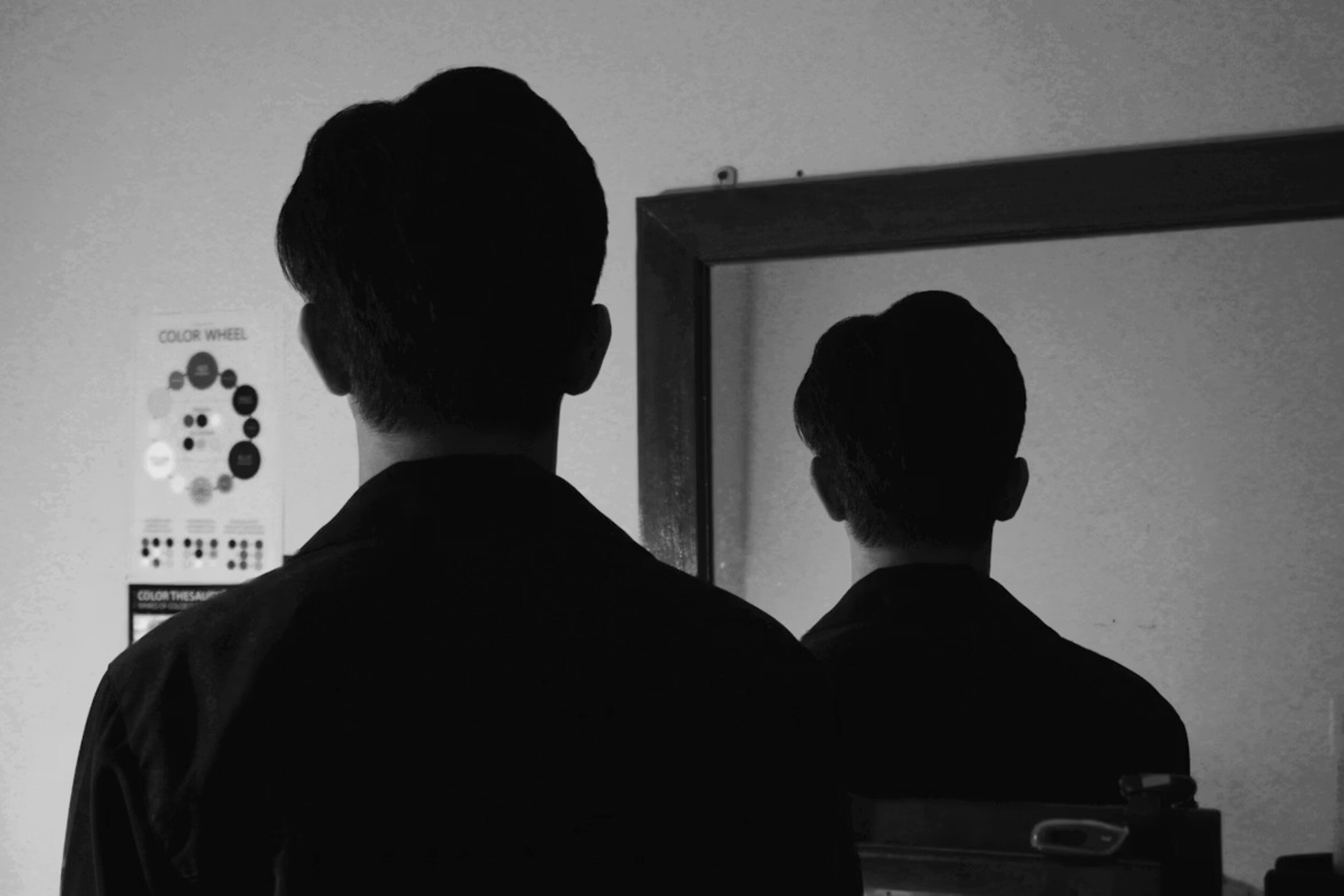
Personality awareness works like a simple mirror. It helps you notice your usual patterns — how you respond when you feel rushed, how you talk when you’re excited, or how you go quiet when something feels uncomfortable. When you see these habits clearly, communication stops feeling random. You start choosing your words instead of blurting them out.
Confidence grows in a natural way when you understand your own style. You don’t have to sound louder or smarter. You just sound clearer. And once you notice how personality awareness shows up in small, everyday chats, it becomes easier to see how it can shape every interaction you have.
Communication Breakdowns Often Start Within, Not Between People
Many arguments don’t actually begin with harsh words. They begin with feelings we didn’t notice. A tired mood, a past bad experience, or an expectation we never said out loud can quietly shape how we hear someone. Two people can listen to the exact same sentence and walk away with two completely different meanings. It’s not always the message — it’s the filter.
Common inner triggers that lead to misunderstandings include:
- Feeling judged even when no judgment was said
- Expecting others to “just know” what we mean
- Reacting quickly before thinking
- Carrying old frustrations into new talks
When reactions go unchecked, distance appears. One person becomes defensive. Another shuts down. Someone else explains too much trying to “fix” the moment. The intention may be good, yet the outcome still feels tense.
Improving communication doesn’t mean changing your personality. It means noticing your usual responses. That small moment of personality awareness gives you a pause — and that pause often makes the difference between reacting and responding calmly.
The Role of Personality Awareness in Everyday Conversations
In daily life, communication happens fast. Texts, quick calls, meetings, family chats — all moving quickly. Personality awareness helps you notice your natural style inside these moments. Some people speak directly. Others hesitate. Some joke to ease tension. Others avoid conflict even when something bothers them. None of these are “wrong.” They are patterns.
When you recognize your tendencies, you don’t have to hide who you are. You simply adjust timing and tone. Awareness is not self-criticism. It’s quiet observation. You’re not judging yourself; you’re understanding yourself.
Simple patterns people often notice:
- Talking fast when excited
- Going silent when uncomfortable
- Using humor to avoid serious topics
- Agreeing quickly to keep peace
Seeing these habits gives you choice. Instead of running on autopilot, you pick your response. This is where personality awareness becomes practical. It improves both how you speak and how you receive what others say, leading naturally into better listening.
How Awareness Changes the Way People Listen
Listening improves when you notice your urge to interrupt or give advice too soon. Personality awareness helps you separate your feelings from the other person’s message. Instead of planning your reply, you stay present. Conversations become calmer when attention shifts from “What will I say next?” to “What is being said right now?” People feel heard, and when people feel heard, tension drops quickly.
How Awareness Shapes Expression Without Overthinking
Confidence doesn’t come from memorizing perfect lines. It comes from knowing your natural style. When you understand whether you’re clear, warm, funny, or logical, you stop editing every sentence in your head. Personality awareness lets you speak in a way that feels real, not forced. You don’t aim for perfection. You aim for alignment — and that alignment makes your words sound steady and sincere.
A Short Story of Realization — When Self-Understanding Changed a Conversation
A team member once received simple feedback at work: “You could be more direct in meetings.” He left feeling criticized and upset. Later, after reflecting, he noticed a long-standing habit — whenever he felt unsure, he used extra words to protect himself from being misunderstood. The feedback wasn’t an attack; it was a suggestion to trust his clarity.
The next meeting, he paused before speaking. He shared his idea in one clear sentence. The room responded positively. No tension. No over-explaining. That small shift brought relief. The emotional change was obvious — from tight shoulders and racing thoughts to calm confidence. He didn’t become a different person. He simply saw his pattern and adjusted. That moment showed how understanding your own communication style can quietly turn stress into steadiness, and confidence followed without effort.
Confidence as a By-Product of Understanding Your Personality
Confidence is often mistaken for loud voices or fast replies. In reality, it’s consistency between what you think, what you feel, and what you say. Personality awareness reduces self-doubt because you understand why you react the way you do. You stop second-guessing every word.
Confidence grows through small recognitions, not big changes:
- Noticing when you need a moment before answering
- Realizing you speak better after organizing thoughts
- Accepting that calm silence is not weakness
- Trusting your natural strengths
People become less afraid of judgment when they know their style is intentional. They don’t rush to impress; they focus on being clear. This steady confidence shows up in relationships, meetings, and everyday conversations without turning into arrogance or performance.

How Personality Awareness Improves Relationships Without Changing Who You Are
Relationships improve when people feel safe, not analyzed. Personality awareness helps you notice your own biases before assuming someone else’s intention. Instead of guessing, you ask. Instead of reacting, you clarify.
Healthy shifts that often happen:
- More empathy because you recognize your own triggers
- Fewer misunderstandings because you check assumptions
- Conversations that feel calmer, not rushed
- Honesty delivered without harshness
Awareness doesn’t erase personality. It strengthens authenticity. You still sound like yourself, but with more steadiness. People sense this balance, and trust grows naturally. From here, the next step becomes practical — building awareness in small, daily ways.
Practical Ways to Build Personality Awareness in Daily Life
Building awareness doesn’t require long sessions or complex tools. It grows through simple, repeatable habits. Personality awareness develops best when you stay gentle with yourself and consistent.
Easy practices that work over time:
- Take a short pause after important conversations
- Notice emotional reactions before correcting them
- Observe repeating habits at work or at home
- Write brief notes about tone or misunderstandings
- Ask trusted friends for honest feedback
- Focus on progress, not perfection
These small steps build clarity without pressure. You’re not analyzing every word. You’re simply paying attention. Over weeks and months, communication starts to feel smoother because you understand your own rhythm.
The Long-Term Impact — Communication That Feels Natural and Steady
With steady awareness, conversations require less effort. Reactions become intentional instead of automatic. Difficult talks feel manageable instead of overwhelming. In professional settings, clearer expectations reduce friction. In personal relationships, honesty comes with calmness rather than tension.
Confidence stops being a performance and becomes a quiet baseline. You don’t try to sound impressive; you sound real. This steady improvement doesn’t happen overnight, but it is reliable. People often notice that others respond more positively because the energy of the conversation feels balanced and grounded.
Conclusion
Personality awareness is not about fixing flaws or becoming someone else. It’s about understanding patterns. When people recognize their inner filters before focusing on external problems, communication becomes clearer and kinder. Confidence grows from clarity, not force.
Awareness evolves over time. The more you notice your habits, the more natural conversations feel. Relationships become steadier because reactions soften and understanding grows. You keep your individuality, but you gain control over how you express it. In the end, strong communication is less about perfect words and more about knowing the person who is speaking them.