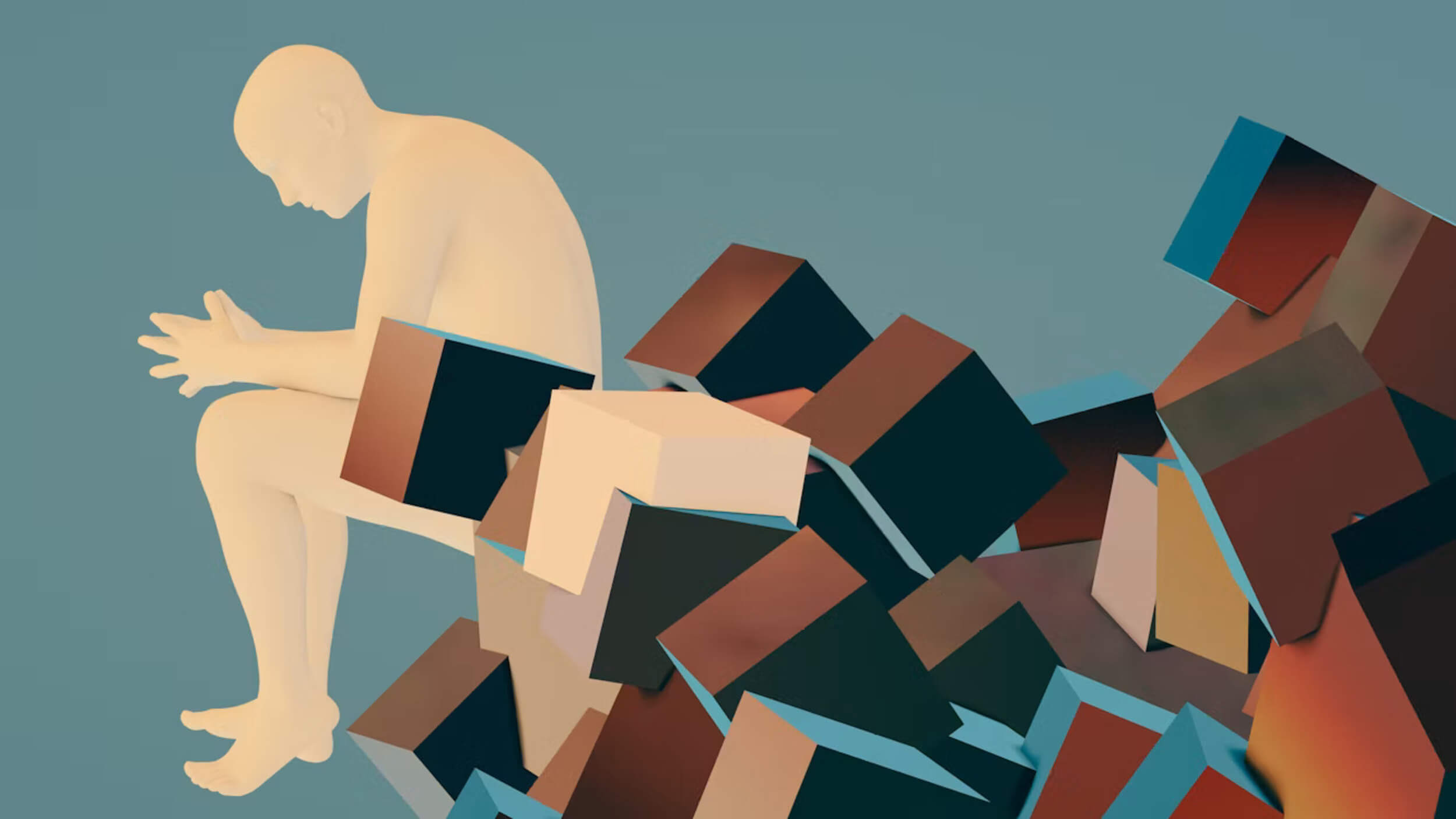



A lot of people think depression is just being sad for a while. But the truth is, it can feel more like your whole system is running on low battery—and no matter how hard you try, you can’t “push through” the way you normally would. Depression is a real health condition that can cause a deep, lasting low mood and a strong loss of interest in things you used to enjoy. And it doesn’t always show up the same way for everyone.

This is one reason how depression affects daily life can be so confusing. One person may feel empty and quiet. Another may feel irritated, overwhelmed, or tired all the time. It can change your emotions, your thoughts, your energy, and even your body. You might struggle to focus, sleep, or get through simple tasks that used to feel easy.
Most importantly, depression is not a weakness—and it’s not something people can simply “snap out of.” With the right support, many people start to feel like themselves again, step by step.
The Everyday Signs People Notice First (And Why They’re Easy to Miss)
Depression doesn’t always show up in a big, obvious way. A lot of times, it starts with small changes that are easy to brush off. You might tell yourself you’re just tired, stressed, or having a “bad week.” But when those feelings stick around and start affecting your day, that’s when it becomes something more.
Emotional Changes That Feel Heavy and Constant
Depression can bring a deep sadness that doesn’t lift, even when something good happens. Some people feel empty, like they’re just going through the motions. Others feel hopeless, like nothing will ever get better. Irritability can also show up—snapping over small things, feeling annoyed for no clear reason. And sometimes it’s not sadness at all. It’s numbness. You may feel disconnected from people, places, and even yourself, like your emotions are stuck on “off.”
Thinking Changes That Make Simple Tasks Harder
Depression can mess with your focus and memory. You might read the same sentence five times and still not absorb it. Decisions feel harder, even small ones. It can also bring harsh self-talk—feeling guilty, worthless, or like you’re a burden. Some people describe it as brain fog, where thoughts feel slow and heavy.
Physical Symptoms That Don’t Seem Connected at First
Depression can also show up in the body. You might feel exhausted all the time, sleep too little or too much, or lose your appetite—or crave food constantly. Headaches, stomach discomfort, and body aches can happen too. This is part of how depression affects daily life, even when people don’t realize what’s causing it.
What Depression Does to Your Routine (When Normal Life Starts Feeling Impossible)
One of the hardest parts of depression is how it quietly breaks your daily rhythm. Things that used to feel normal—getting ready, working, eating, replying to messages—can start feeling like a mountain.
Mornings are often the first struggle. Getting out of bed can feel heavy, like your body is glued down. Even brushing your teeth or taking a shower might feel like too much. Meals can get skipped because nothing sounds good, or because you simply don’t have the energy to prepare food.
Work and school can also take a hit. You may start missing deadlines, zoning out in meetings, or calling out because you just can’t face the day. It’s not because you don’t care. It’s because your brain and body are running on empty.
At home, responsibilities pile up fast. Laundry stays on the floor. Dishes sit in the sink. Simple errands feel overwhelming. This is a key part of how depression affects daily life—there’s an “effort mismatch,” where even small tasks take a huge amount of energy.
And that’s important to say clearly: these are symptoms, not laziness.
Relationships Under Pressure (How Depression Can Create Distance Without Meaning To)
Depression doesn’t only affect the person going through it—it can also change how they connect with others. Even strong relationships can start to feel strained, not because love is gone, but because depression makes closeness harder.
Why People Pull Away Even From Those They Love
A common pattern is isolation. Someone may cancel plans, stop replying, or avoid phone calls. Sometimes it’s because they feel like a burden. Other times, they feel like they have nothing good to offer, like they’re “no fun to be around.” There can also be fear—fear of being judged, misunderstood, or told to “just be positive.” So instead of explaining what’s going on, they disappear a little.
How Depression Changes Communication
Depression can make people quieter and shorter with words. Replies might feel cold, even if that’s not the intention. Patience can be low, and emotions can shut down. Loved ones may misread these changes as anger, disrespect, or not caring. That’s how misunderstandings build—one person feels abandoned, the other feels overwhelmed and stuck.
The Quiet Impact on Intimacy and Connection
Depression can lower interest in affection or sex. You can be right next to someone and still feel far away. This is another way how depression affects daily life shows up behind closed doors.

The Hidden Mental Load (When Your Brain Feels Like It’s Fighting You)
Depression isn’t only what people can see on the outside. A lot of it happens in the mind, where no one else can hear it.
It can feel like your brain is constantly running in circles. You might overthink everything you said, everything you didn’t do, and every mistake you’ve ever made. Self-blame can get loud. Thoughts like “I’m not enough,” “I’m failing,” or “what’s the point?” can pop up even when you don’t want them there.
One of the most confusing parts is losing motivation even for things that matter to you. You can still care about your family, your goals, and your future—and still feel unable to move. That’s not laziness. It’s your mind and body being drained.
Depression can also twist the way you see life. Problems feel bigger. The future feels darker. Even good moments can feel far away, like they don’t count. Anxiety can show up too, making your thoughts race while your body feels exhausted.
This is how depression affects daily life in a way that’s real, heavy, and often invisible.
Depression Looks Different at Different Ages (And That Can Delay Help)
Depression doesn’t have one “look.” It can show up differently depending on someone’s age, personality, and life situation. That’s one reason people don’t always realize what’s happening right away.
Children: Behavior Changes More Than “Sadness”
Kids may not say “I feel depressed.” Instead, you might notice more irritability, clinginess, or frequent complaints like stomach aches and headaches. Some kids refuse school, lose interest in play, or have big emotional reactions. They may not have the words to explain what they feel.
Teens: Mood Swings, Anger, and Withdrawal
Teens might seem more angry than sad. They may become sensitive, negative, or quick to shut down. School performance can drop, and they may skip classes or avoid friends. Some teens turn to alcohol, drugs, or self-harm as a way to cope, especially when they feel alone.
Older Adults: Symptoms May Look Like “Just Aging”
In older adults, depression can look like fatigue, sleep problems, low appetite, or loss of interest in hobbies. Memory issues and personality changes can happen too. Sadly, it’s often missed because people assume it’s just part of getting older. But depression is not a normal part of aging.
Why Support Matters More Than People Think (It Can Change the Outcome)
When someone is depressed, support can be the difference between feeling trapped and feeling like there’s still a way forward.
Support helps reduce shame. It reminds a person they’re not “broken,” and they don’t have to carry everything alone. It can also make it easier to stick with treatment, keep routines, and take small steps—even when motivation is low.
But support isn’t about forcing positivity. It’s not saying, “Other people have it worse,” or “Just be grateful,” or “You’ll be fine.” Those words often make people feel more alone.
Real support is more like: “I believe you.” “I’m here.” “We can take this one step at a time.”
Being there matters more than trying to fix everything. Depression may not disappear overnight, but steady support can make recovery feel possible. And yes—this is another key part of how depression affects daily life, because people heal better when they feel safe and understood.
What Real Support Looks Like Day to Day (Small Actions That Actually Help)
Support doesn’t have to be perfect. It just has to be real.
Here are a few simple ways support can look in everyday life:
- Listen without judging: Let them talk without correcting their feelings
- Say things that comfort, not pressure: “I’m here,” “You’re not alone,” “We can take one step”
- Offer practical help: Bring food, help with errands, or do one small task together
- Check in regularly: Not only when things get scary
- Encourage professional help gently: “Do you want me to help you find someone to talk to?”
- Respect boundaries: Give space when needed, but don’t disappear
Sometimes the best support is simply staying close, even when the person doesn’t have the energy to explain what’s wrong. Small actions add up. They help rebuild trust, safety, and hope.
When It’s Time to Get Professional Help (And Why Waiting Can Make It Harder)
If symptoms last more than two weeks, or if they start disrupting work, school, relationships, sleep, or eating, it’s a good time to reach out for professional help.
Getting support early can prevent depression from getting deeper. Many people wait because they feel embarrassed, or they think they should “handle it” alone. But depression is a health condition—and it deserves real care, just like any other condition.
Treatment can look different for different people. Common options include talk therapy, medication, or a mix of both. Some people need support for a shorter time, while others need longer care. That’s normal.
It’s also normal for treatment to take a little adjusting. Finding the right therapist or the right medication can take time. The goal isn’t perfection—it’s progress. Even small improvements matter.
When It’s an Emergency (Signs You Should Act Right Away)
If you or someone you care about has thoughts of self-harm, suicide, or feels unsafe, treat it as an emergency.
Reach out for immediate help through local emergency services, a crisis hotline, or a nearby hospital. If possible, tell someone you trust right away and don’t stay alone with those thoughts.
You don’t have to “wait and see” if it gets better. Getting help fast can save a life. Support is available, and you deserve to be safe.
Final Thoughts on Depression, Daily Life, and Getting Support That Works
Depression can change how you feel, how you think, and how you function—even when you’re trying your best. It can affect sleep, energy, focus, relationships, and your ability to keep up with normal responsibilities. That’s how depression affects daily life in a real and measurable way, and it’s not something anyone should have to face alone.
Support and treatment can make a huge difference. You don’t need to hit rock bottom to ask for help. You don’t need the perfect words. You just need one next step.
That step could be talking to someone you trust, scheduling an appointment, or simply saying, “I’m not okay.” Healing is possible, and many people do feel better with the right care, the right support, and time.