

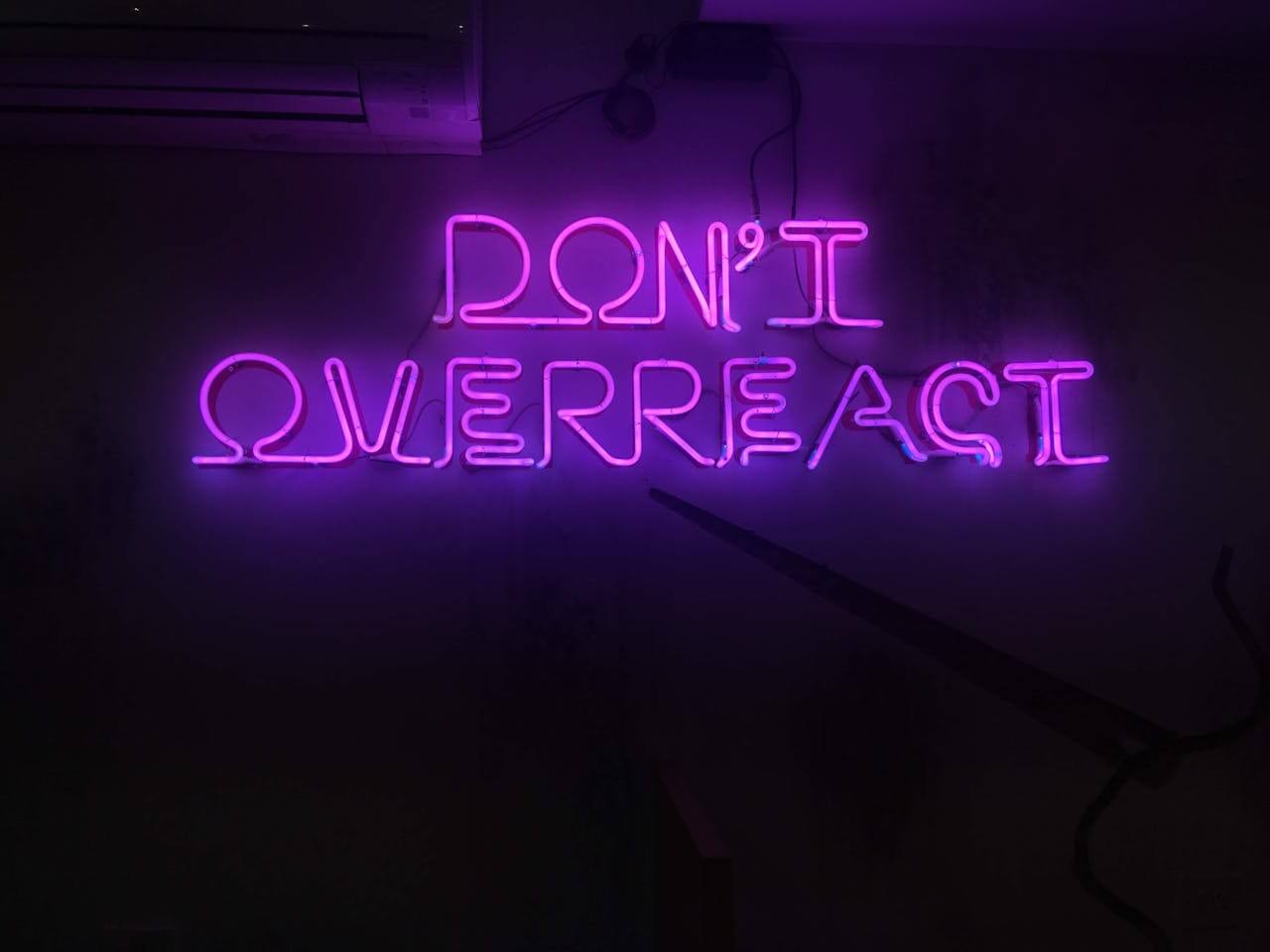
Overreacting often feels embarrassing in hindsight. A small comment ruins your mood for hours. A delayed reply makes your mind spiral. A minor mistake triggers frustration that feels impossible to contain. In the moment, the reaction feels justified and intense. Later, it feels unnecessary and draining.

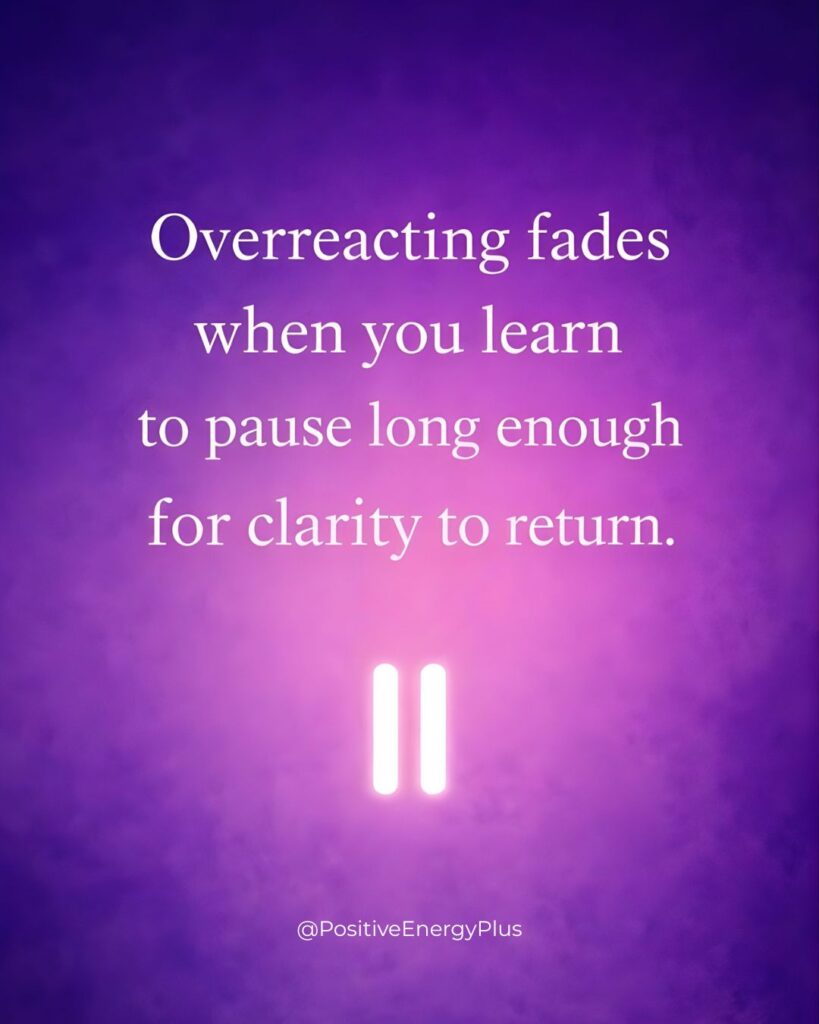
Stopping overreacting is not about becoming emotionless or detached. It is about learning how to slow down long enough to choose how you respond. The most powerful skill in this process is learning to pause.
That pause, even a brief one, creates space between what happens and what you do next. In that space, emotions soften, clarity returns, and control shifts back into your hands.
What Overreacting Really Is?
Overreacting is rarely about the situation itself. It is about how the nervous system interprets the situation. When something feels threatening, even emotionally, the brain reacts as if danger is present. The body responds quickly and intensely, preparing for defense.
This is why small things can feel overwhelming. A tone of voice, a short message, or a perceived slight can trigger fear, anger, or shame before logic has time to step in. The reaction happens automatically, not because you are weak or dramatic, but because your brain is trying to protect you.
The problem is that emotional threats are rarely actual threats. They feel urgent, but they usually are not. Overreacting happens when the emotional brain takes over before the rational brain has a chance to weigh in.
Why Pausing Changes Everything
Emotions rise fast, but they also fall fast when they are not fed. Most emotional spikes peak and begin to fade within seconds or minutes. When you react immediately, you extend the life of the emotion. When you pause, you give it a chance to pass.
Pausing interrupts the automatic reaction cycle. It sends a signal to your body that you are safe enough to slow down. This shift alone can reduce intensity.
A pause does not need to be long. It can be a breath, a moment of silence, or a conscious decision to wait before responding. What matters is creating even a small gap between stimulus and response.
That gap gives you options.
Learning to Pause in the Moment
Pausing sounds simple, but it can feel difficult when emotions are high. This is why it helps to practice specific techniques that anchor your attention.
One effective method is slow breathing. Inhale through your nose for four seconds, hold briefly, then exhale through your mouth for six seconds. This pattern activates the calming response in the body and reduces emotional urgency.
Another option is counting. Counting backward from ten or even from five forces the mind to shift focus. It also delays reaction just long enough for emotional intensity to soften.
You can also ask yourself a grounding question. What exactly just happened. What am I feeling right now. These questions slow the mental spiral and reconnect you to the present moment.
The goal is not to eliminate emotion. The goal is to prevent emotion from controlling your behavior.
Separating Facts from Interpretations
One reason overreacting feels so convincing is that interpretations feel like facts. The mind fills in gaps quickly, often assuming the worst.
For example, someone does not respond to a message. The fact is that there is no response yet. The interpretation might be that they are ignoring you, upset with you, or losing interest. The emotional reaction responds to the interpretation, not the fact.
Learning to separate facts from interpretations reduces emotional escalation. When you pause, ask yourself what you know for sure. Stick to observable information. Anything beyond that is a story your mind is telling.
This does not mean the story is wrong. It means it is unproven. Treating interpretations as possibilities instead of truths lowers emotional intensity and prevents unnecessary reactions.
Understanding Emotional Triggers
Overreacting often follows familiar patterns. Certain topics, people, or situations trigger stronger reactions because they connect to past experiences.
You may notice that criticism feels unbearable, or that feeling ignored sparks anxiety, or that mistakes trigger anger. These reactions often come from earlier moments where similar situations felt unsafe or painful.
Becoming aware of your triggers is a powerful step. Awareness does not remove the trigger, but it gives you warning. When you recognize that a reaction is tied to an old wound, you are more likely to pause instead of react.
You can reflect on moments when you overreact and ask yourself what it reminded you of. Over time, patterns emerge. With patterns comes understanding, and with understanding comes choice.
Choosing a Response That Aligns With You
Pausing creates space. In that space, you can choose how you want to respond rather than letting emotion decide for you.
A response is intentional. It considers both your feelings and your values. It asks what outcome you want, not just what you feel.
Sometimes the best response is silence. Sometimes it is asking a clarifying question. Sometimes it is expressing your feelings calmly instead of explosively.
Responding does not mean suppressing emotion. It means expressing emotion in a way that respects yourself and others.
Over time, responding instead of reacting builds self trust. You begin to believe that you can handle difficult emotions without losing control.
Letting Emotions Pass Without Acting on Them
One of the most important lessons in stopping overreacting is learning that you do not have to act on every feeling. Emotions are signals, not commands.
Feeling angry does not require confrontation. Feeling anxious does not require reassurance. Feeling hurt does not require withdrawal.
When you pause, you allow emotions to move through you instead of driving you. This can feel uncomfortable at first. The urge to react often feels urgent. With practice, you learn that the urge fades even when you do nothing.
This builds emotional resilience. You learn that you can tolerate strong feelings without being controlled by them.
Practicing Self Compassion After Overreacting
Even with practice, overreacting will still happen sometimes. Progress does not mean perfection. What matters is how you respond afterward.
Shaming yourself only strengthens emotional reactivity. Compassion reduces it. When you notice that you overreacted, acknowledge it without judgment. Reflect on what triggered it and what you might do differently next time.
Growth happens through repetition, not punishment. Each moment of awareness is a step forward.
Making the Pause a Habit
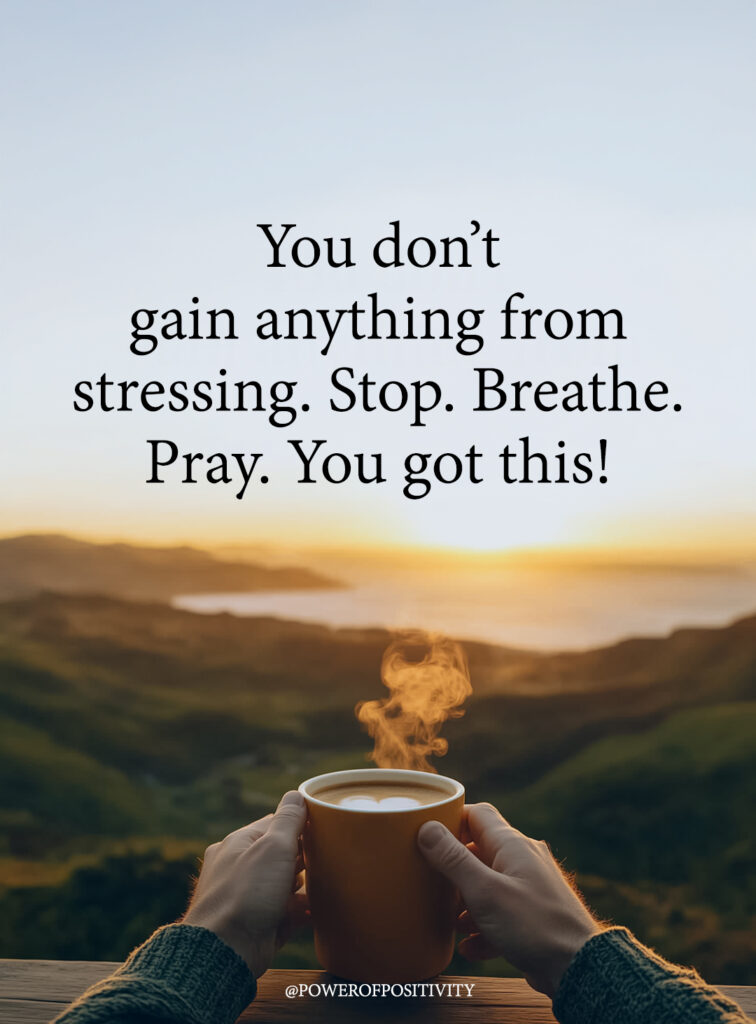
Pausing is a skill, and like any skill, it improves with practice. Start small. Choose one situation where you often overreact and commit to pausing there.
Over time, the pause becomes more natural. Your nervous system learns that not every emotional spike requires immediate action. Reactions soften. Confidence grows.
Stopping overreacting is not about becoming someone else. It is about becoming more yourself, calm, intentional, and grounded.
The pause is where that transformation begins.