
Hearing the word cancer can make your stomach drop. Even if you feel fine right now, it’s normal to wonder, “What is cancer, really… and would I even know if something was wrong?” The tricky part is that cancer doesn’t always show up in a loud, obvious way. Sometimes it grows slowly and stays quiet for a long time. Other times, it brings small changes that are easy to brush off—until they don’t go away.

That’s why cancer explained simply matters. When you understand the basics, you can spot what’s worth paying attention to without jumping to scary conclusions. In the next sections, we’ll break down the most common risk factors, the signs that shouldn’t be ignored, how doctors check for cancer, and what “early action” actually looks like in real life. The goal isn’t fear. It’s clarity, calm, and smarter next steps.
Overview — What Cancer Is (and What It Isn’t)
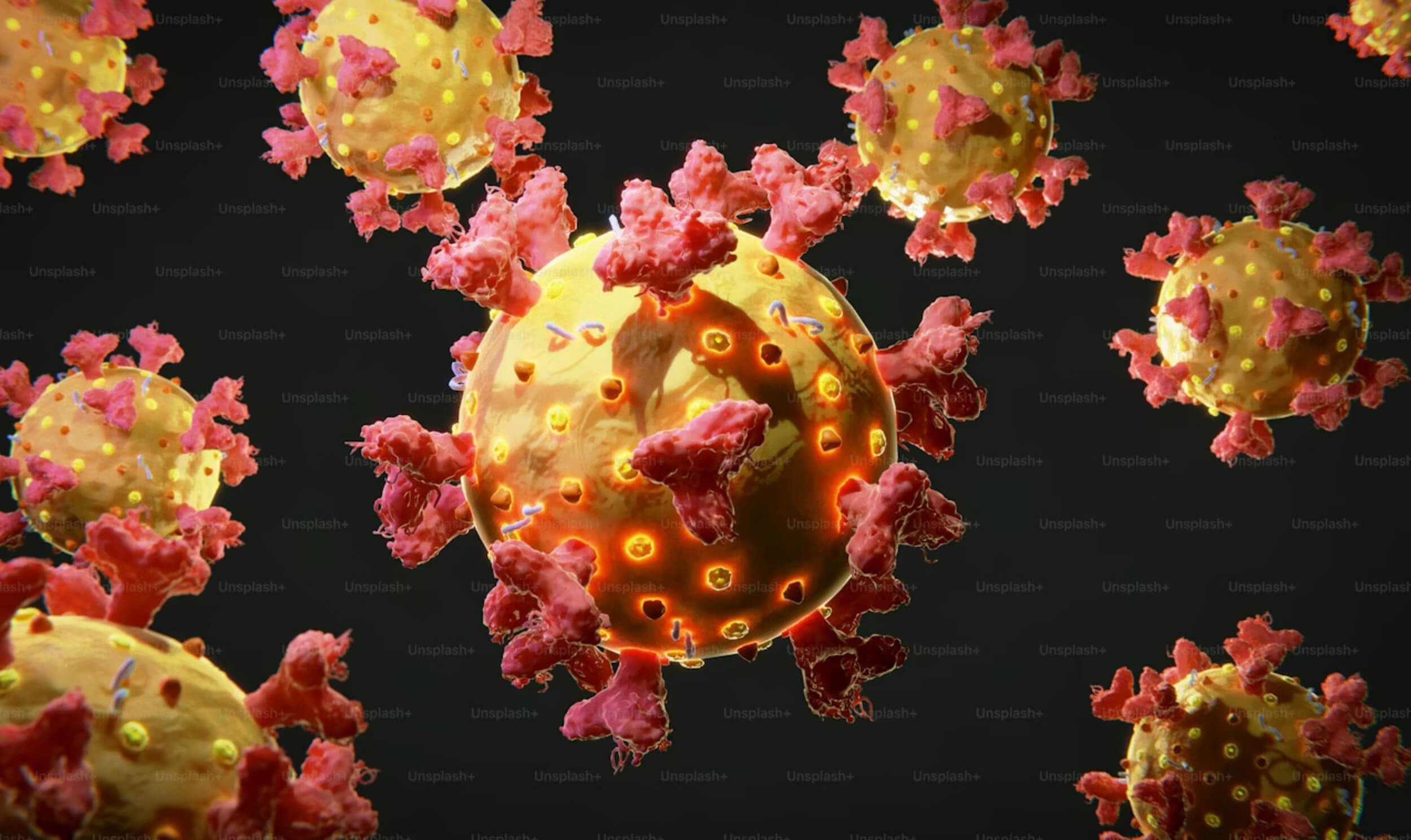
Cancer starts when some cells in the body stop following the usual rules. Normally, cells grow, do their job, and then make room for new ones. But cancer cells don’t “get the message” to stop. They keep multiplying, even when the body doesn’t need them. Over time, this can form a lump called a tumor—but not every tumor is cancer. Some tumors are harmless and never spread.
It also helps to know this: cancer doesn’t usually show up overnight. It often begins small, with changes that are easy to miss at first. That’s why cancer explained simply can be so helpful. When you understand what’s happening inside the body, it’s easier to stay calm, ask the right questions, and take action early when it matters. Knowing the basics doesn’t create fear—it gives you control.
Quick clarity check:
- Tumor = a lump or mass (can be harmless or cancerous)
- Cancer = harmful cells growing out of control
- Benign = not cancer
- Malignant = cancer
How Healthy Cells Normally Behave
Healthy cells are like good workers. They follow a schedule. When your body needs to heal a cut or replace old tissue, your cells grow and divide. When the job is done, they slow down or stop. Your body also has “checkpoints” that help catch mistakes before they become a bigger problem. Most of the time, these small cell changes get fixed right away, or the body clears them out. That’s why many people never even know these changes happened.
What Changes When Cells Become Cancerous
Cancer cells don’t act like normal cells. They keep making copies of themselves, even when there’s no reason to. As they build up, they can crowd out healthy cells and affect how that body part works. Some cancers stay in one place, but others can move into nearby tissue. In certain cases, cancer cells can travel through the blood or lymph system and settle somewhere else. That’s called spreading, and it’s one reason early checks can make such a big difference.
Why Cancer Can Look Different in Every Person
Two people can have the same type of cancer and still have totally different stories. One person might notice changes early, while another feels fine for a long time. That’s because cancer depends on where it starts, how fast it grows, and how the body reacts. A problem in the skin might be easy to spot, but a problem inside the body can stay hidden for a while.
This is also why early cancer doesn’t always feel “serious.” Some signs are small and easy to ignore. A weird tired feeling. A change that doesn’t go away. Something that just feels off. Paying attention doesn’t mean assuming the worst—it means giving your health the respect it deserves. Checking things early is often the simplest step you can take.
A simple way to think about it:
- Where it starts affects what you notice
- How fast it grows affects how soon it shows up
- How your body reacts affects how strong the symptoms feel
Slow-Growing vs Fast-Growing Cancers
Some cancers grow slowly. They can take years to cause noticeable symptoms, which is why screening can matter so much. Other cancers grow faster and may cause changes that show up sooner. Neither one should cause panic, but both deserve attention. The key is staying aware and acting when something doesn’t feel normal for your body. Early action is not about fear—it’s about giving yourself the best chance at a clear answer and a better outcome.
Local Cancer vs Cancer That Spreads
Some cancers stay where they started. That’s called local cancer, and it often means treatment can focus on one area. But cancer can also spread. This happens when cancer cells move through the blood or lymph system and start growing in another part of the body. That sounds scary, but it also explains why doctors take early warning signs seriously. Finding cancer before it spreads can open up more treatment options and make recovery more manageable.
Common Cancer Types (Without the Overwhelm)
There are many types of cancer, and that can feel confusing at first. But here’s the simple way to think about it: cancer is usually named after where it starts. Even though the details can vary, most cancers follow the same basic pattern—cells change, grow too much, and may affect nearby tissue.
Some cancers form solid lumps, while others affect blood or the immune system and don’t create a lump at all. That’s why symptoms can look so different from one person to another. You don’t need to memorize every type. What matters most is understanding the big picture and knowing when something feels unusual. Keeping it simple helps you stay focused, not overwhelmed.
Big-picture categories:
- Solid cancers (often in organs or skin)
- Blood cancers (in blood-forming cells)
- Lymph system cancers (part of your immune system)
Solid Cancers (Starting in Organs or Skin)
Solid cancers often begin in organs or skin, like the breast, lungs, colon, or skin. They may form a mass or tumor that can sometimes be felt or seen. But not always. Some solid cancers stay quiet early on, which is why checkups and screenings can help catch changes before they grow bigger.
Blood and Immune System Cancers
These cancers start in blood-forming cells or the lymph system. Examples include leukemia and lymphoma. Because they don’t usually form a lump, the signs can feel more general—like fatigue, frequent infections, or unusual bruising. This doesn’t mean something is wrong, but it explains why symptoms can be harder to “see.”
Why Names Can Be Confusing
Cancer names usually come from where the cancer started, not where it spreads. For example, if breast cancer spreads to the lungs, it’s still called breast cancer. That’s because the cancer cells are still breast cancer cells. This helps doctors choose the right treatment, since treatment is based on the cancer type, not just the location.
What Raises Cancer Risk (The Real-Life Version)
Cancer risk is not the same thing as cancer certainty. Having risk factors doesn’t mean you’ll get cancer, and having none doesn’t mean you never will. Risk is more like a weather forecast—it tells you what’s more likely, not what’s guaranteed.
Some risk factors are out of your control, like age and family history. Others are linked to daily habits and long-term exposure, like smoking or too much sun without protection. The good news is that even small changes can lower risk over time. This is where cancer explained simply becomes powerful. When you understand what raises risk, you can make choices that protect your body without living in fear. It’s not about being perfect. It’s about being aware, staying consistent, and getting help early when something doesn’t feel right.
Risk factors usually fall into two groups:
- Things you can’t control: age, genetics, family history
- Things you can control (at least partly): tobacco use, sun exposure, diet, activity, certain chemicals
Age and Time-Related Wear on Cells
As we get older, our cells have had more time to collect small mistakes. Most of the time, the body repairs these problems. But the repair system isn’t perfect forever. That’s one reason cancer becomes more common with age. It’s not anyone’s fault—it’s just part of how the body changes over a lifetime. This is also why screenings often start at certain ages.
Family History and Inherited Risk
If close family members have had cancer, your risk may be higher. That doesn’t mean cancer is guaranteed. In fact, most cancers are not inherited. But family history can be a helpful clue. It can guide when to start screenings, what tests might matter, and what to watch for. Sharing family history with your doctor is one of the simplest ways to stay ahead.
Daily Exposures That Add Up
Some exposures raise risk little by little, especially over many years. Tobacco is a major one. Too much UV from the sun is another. Certain chemicals, like asbestos or radon, can also raise risk depending on exposure. The main idea is simple: the more exposure over time, the higher the risk can become. Small protective steps can truly add up.
Lifestyle Factors That Quietly Affect Risk
A lot of cancer risk isn’t about one “bad” choice. It’s usually about small habits that repeat for years. The good news is, that also means small upgrades can matter more than people think. This isn’t about living perfectly. It’s about lowering your odds in simple, realistic ways.
Think of it like daily maintenance for your body. Moving a little more, eating a bit better, cutting back on alcohol, and getting decent sleep all support your immune system and help your body repair itself. And if you slip up sometimes? That’s normal. What matters is what you do most days, not what happens on one busy week.
Simple habits that support your health:
- Move your body in a way you can stick with
- Choose more whole foods when possible
- Keep alcohol low or skip it
- Protect your sleep like it matters (because it does)
Body Weight, Activity, and Inflammation
Extra body fat can affect hormones and raise inflammation in the body. Over time, that may increase cancer risk. Staying active helps in a few ways: it supports digestion, helps regulate blood sugar, and keeps the immune system working better. You don’t need intense workouts—walking, light strength work, and regular movement all count.
Alcohol and Cancer Risk
Alcohol can damage cells and make it harder for the body to repair itself. It can also affect hormone levels, which matters for certain cancers. The risk tends to go up as drinking increases. Cutting back—even a little—can be a smart move. If you drink, keeping it occasional is safer than daily.
Nutrition Patterns That Support Cell Health
Food won’t “cure” cancer, but it can support your body’s defenses. A steady pattern of fiber, fruits, vegetables, and enough protein helps your gut and immune system. Ultra-processed foods tend to be low in nutrients and easy to overeat. You don’t have to be strict—just aim for more real food most of the time.
Infection-Related Cancers People Don’t Expect
Some cancers are linked to infections, and that surprises a lot of people. It doesn’t mean an infection automatically turns into cancer. It means certain viruses can cause long-term changes in the body that raise risk later on. The positive part? Many of these risks can be lowered with vaccines, screening, and treatment.
This is one of the clearest examples of prevention actually working. When you prevent the infection—or treat it early—you may also prevent future cancer risk. It’s simple, it’s real, and it’s something people can take action on without guessing.
Two big infections doctors watch for:
- HPV (linked to several cancers)
- Hepatitis B and C (linked to liver cancer)
HPV and Cancer Risk
HPV is a very common virus, and most people are exposed at some point. In many cases, the body clears it on its own. But some types of HPV can cause cell changes that raise the risk of cervical cancer and other cancers. The HPV vaccine helps prevent the types most linked to cancer. Screening, like Pap tests, can catch early changes before they turn into something serious.
Hepatitis B, Hepatitis C, and Liver Cancer
Hepatitis B and C affect the liver. When the liver stays inflamed for a long time, it can raise the risk of liver cancer. The good news is hepatitis B can be prevented with a vaccine, and hepatitis C can often be treated. Many people don’t feel sick at first, so testing matters—especially if you’ve ever had a possible exposure.
Early Warning Signs That Deserve Attention
Here’s the tricky thing: cancer symptoms can look like a lot of other everyday problems. A cough might be allergies. A stomach issue might be stress. That’s why the biggest clue isn’t one symptom—it’s a change that sticks around.
A helpful way to think about it is this: your body has patterns. When something breaks that pattern and doesn’t go back to normal, it deserves attention. This doesn’t mean you should panic. It means you should check in with a doctor instead of brushing it off for months.
Early action is about being smart, not scared. Most of the time, the cause won’t be cancer. But if it is, catching it sooner can make treatment easier and outcomes better.
Signs that are worth checking (especially if they last):
- A new lump or bump
- Bleeding you can’t explain
- A change in skin, bathroom habits, or swallowing
- Pain that doesn’t improve
Changes You Can See or Feel
Pay attention to new lumps, bumps, or swelling that doesn’t go away. Watch for skin spots that change in shape, color, or size. A sore that doesn’t heal can also be a sign something needs checking. These changes don’t always mean cancer, but they are the kind of “new and different” signals your body shouldn’t have to live with.
Changes You Notice in Daily Life
Some warning signs show up in how you feel day to day. This can include unusual tiredness that doesn’t improve, losing your appetite for no clear reason, or weight loss you didn’t plan. Again, these can have many causes. The key is when they stick around and don’t match your normal routine.
Symptoms That Show Up in Specific Body Systems
Certain symptoms depend on where the problem is happening. Blood in your stool or urine should always be checked. A cough that won’t go away, coughing up blood, or a hoarse voice that lasts can be a red flag. Trouble swallowing that keeps happening also deserves attention. Don’t self-diagnose—just get it looked at.
The “Two-Week Rule” for Body Changes
A simple rule that helps many people is the “two-week rule.” If something changes in your body and it lasts longer than two weeks, it’s worth checking. It doesn’t have to be severe. It just has to be persistent.
This rule keeps you from doing two unhelpful things: ignoring a real issue for too long, or panicking over something that disappears quickly. Two weeks is a practical checkpoint, not a strict deadline. The point is to notice patterns and respond early.
And here’s something people don’t hear enough: you are not wasting anyone’s time. Doctors would rather check something small now than deal with something bigger later.
What to Write Down Before You Call
Before you reach out, write down a few quick details:
- When the symptom started
- If it’s getting better, worse, or staying the same
- Anything new that showed up with it
- Any family history of cancer (if you know it)
This helps your provider understand the full picture faster and decide what tests, if any, you might need.
When to Seek Help Sooner
Some symptoms shouldn’t wait two weeks. Get help sooner if you have severe pain, heavy bleeding, trouble breathing, or sudden weakness. Confusion, fainting, or symptoms that get worse quickly also need urgent care. Trust your gut—if something feels serious or scary, it’s okay to get checked right away. Quick action can prevent bigger problems.
How Cancer Is Diagnosed (Step-by-Step, No Drama)
A cancer diagnosis usually doesn’t happen from one quick test. It’s more like a step-by-step process. Doctors start with the basics: what you’re feeling, how long it’s been going on, and what your health history looks like. From there, they decide what tests make sense.
It’s important to know this: many tests are done to rule cancer out. People often assume testing means the doctor “knows it’s cancer,” but that’s not true. Testing is how doctors avoid guessing.
If something looks suspicious, the next step may be imaging or a biopsy. A biopsy is often the clearest way to confirm what’s going on. It can feel scary, but it also brings answers—and answers lead to a real plan.
The goal of testing is simple:
- Find the cause
- Confirm what it is
- Choose the right next step
First Steps: Exam, Questions, and Basic Tests
Most cancer checkups start with a full conversation and a physical exam. Your provider may ask about symptoms, lifestyle habits, and family history. They might also order blood tests to check for signs of infection, anemia, or other changes. Blood tests alone usually can’t diagnose cancer, but they can point doctors in the right direction and help decide what to do next.
Imaging Tests That Help Providers “Look Inside”
Imaging tests help doctors see what’s happening inside your body. These can include CT scans, MRI, ultrasound, or X-rays. Imaging can show if there’s a mass, swelling, or unusual changes in an organ. But imaging doesn’t always confirm cancer on its own. It’s more like a strong clue that tells doctors whether more testing is needed.
Biopsy: The Test That Gives a Clear Answer
A biopsy means taking a small sample of tissue and checking it under a microscope. This is one of the most reliable ways to confirm whether cells are cancerous. It can also help identify the type of cancer and how aggressive it may be. That information matters because it helps doctors choose the right treatment instead of using a one-size-fits-all approach.
What Staging Means (and Why It Guides the Plan)
Staging is one of the first things doctors figure out after a cancer diagnosis. It sounds scary, but it’s really just a way to describe how much cancer there is and where it is in the body. It’s not a prediction of your future. It’s a map that helps your care team plan the best treatment.
In simple terms, early stages usually mean the cancer is smaller and more contained. Later stages may mean it has spread to nearby lymph nodes or other parts of the body. Staging helps doctors decide if surgery makes sense, if medicine is needed, or if treatment should focus on slowing growth and easing symptoms.
Staging helps answer:
- How big is it?
- Where is it?
- Has it spread?
Early-Stage vs Locally Advanced
Early-stage cancer usually means it’s small and limited to one area. In many cases, this gives more treatment options and a stronger chance of removing or controlling it. Locally advanced cancer means it has grown into nearby tissue or reached nearby lymph nodes. This doesn’t mean treatment won’t work—it often means treatment needs to be more than one step, like combining surgery with medicine or radiation.
Metastatic Cancer (When It Spreads)
Metastatic cancer means cancer cells have traveled to other parts of the body through the blood or lymph system. This can change the treatment plan, but it doesn’t mean there are no options. Treatment can still slow growth, shrink tumors, ease symptoms, and help people live longer. Care goals often focus on both length of life and quality of life, not just one or the other.

Treatment Options People Commonly Hear About
Cancer treatment isn’t one single thing. It depends on the cancer type, where it started, how advanced it is, and what the person’s overall health looks like. Many people get more than one treatment, and that’s normal. It’s not “too much.” It’s often the best way to attack cancer from different angles.
Some treatments remove cancer directly. Others shrink it, slow it down, or help the immune system fight it. Your care team usually explains the goal of each treatment—whether it’s to cure, control, or reduce symptoms. And you always have the right to ask questions until it makes sense.
Treatment decisions often depend on:
- Cancer type and stage
- Your age and overall health
- Side effects and daily life needs
Surgery, Radiation, and Chemotherapy
Surgery can remove cancer when it’s in one area and hasn’t spread too far. Radiation uses focused energy to kill cancer cells in a specific spot. Chemotherapy uses strong medicine that travels through the body to kill fast-growing cells. These treatments can be used alone or combined. Your doctor may recommend more than one approach to improve results and lower the chance of cancer coming back.
Targeted Therapy and Immunotherapy
Targeted therapy focuses on specific changes inside cancer cells, helping stop their growth while limiting damage to healthy cells. Immunotherapy works differently—it helps your immune system recognize and attack cancer more effectively. These treatments aren’t used for every cancer, but they can be powerful for certain types. Your doctor may test the cancer to see if these options make sense for you.
Hormone Therapy and Stem Cell Treatments
Some cancers grow with help from hormones. Hormone therapy blocks or lowers those hormones to slow cancer down. This is often used for cancers like breast or prostate cancer. Stem cell or bone marrow transplants are used mostly for blood cancers. They help replace damaged blood-forming cells and allow higher-dose treatments in some cases. These treatments are planned carefully and closely monitored.
Side Effects — What People Wish They Knew Earlier
Cancer treatment can save lives, but it can also come with side effects. This happens because many treatments affect fast-growing cells, and your body has healthy fast-growing cells too—like in your hair, skin, and stomach lining. Side effects look different for everyone. Some people feel mild changes, while others need more support.
One important thing to know: side effects are not something you have to “push through” alone. If you speak up early, your care team can often help. There are medications, nutrition plans, and simple strategies that make treatment easier to handle. Supportive care is part of real cancer care.
It’s always okay to say:
- “This feels harder than I expected.”
- “I’m struggling.”
- “Can we adjust something?”
Common Side Effects That Can Affect Daily Life
Many people deal with fatigue, nausea, and appetite changes during treatment. Some notice skin irritation, mouth sores, or changes in taste. Sleep can be disrupted, and emotions can feel heavier than usual. Stress, fear, and sadness are common and valid. Side effects don’t mean treatment isn’t working—they often mean your body is reacting to strong medicine or radiation. The best move is to report symptoms early so your team can help you stay comfortable and safe.
Supportive Care Is Part of Treatment
Supportive care helps you feel better during treatment, and it can improve your strength and recovery. This may include anti-nausea medicine, pain relief, hydration support, and help with eating. Mental health support also matters, including counseling or support groups. Some people benefit from rehab, light exercise plans, or physical therapy to stay steady and reduce weakness. Good care isn’t only about fighting cancer—it’s also about helping you live well through it.
Prevention That Has Strong Support From Research (What Helps Most)
A lot of people wish there was one perfect way to prevent cancer. The truth is, cancer can’t always be prevented. But there are a few steps that truly lower risk and have strong support from research. These are the “high-impact basics” that matter most.
The goal isn’t to do everything perfectly. It’s to focus on the biggest wins—things that protect your cells, lower long-term damage, and help your body catch problems early. Prevention is a mix of daily habits and smart medical steps. Even if you’ve had unhealthy habits in the past, changes still help. Your body can recover and repair more than you think.
High-impact prevention basics:
- Vaccines that prevent certain infections
- Avoiding tobacco and secondhand smoke
- Protecting skin from UV damage
- Keeping up with screenings when recommended
Vaccines That Prevent Cancer-Causing Infections
Some vaccines don’t just prevent infections—they help prevent cancer risk later on. The HPV vaccine helps protect against the HPV types most linked to cervical cancer and other cancers. The hepatitis B vaccine helps protect the liver, lowering the risk of liver cancer tied to chronic infection. Preventing these infections reduces long-term cell damage, which can stop cancer changes before they even start.
Quitting Tobacco (and Reducing Exposure)
Tobacco is one of the strongest cancer risk factors, and quitting helps no matter how long someone has used it. Over time, the body starts repairing damage and the risk can go down. Support options include counseling, nicotine replacement, and prescription medications. Avoiding secondhand smoke also matters. This isn’t about shame—it’s about giving your lungs and cells a better chance to heal.
Reducing UV Damage Without Hiding From the Sun
You don’t have to avoid the outdoors to protect your skin. Simple habits help a lot: wear sunscreen, use shade when the sun is strongest, and cover up with hats or long sleeves when needed. Skin checks can also catch changes early, especially if you notice a mole changing shape or color. Sun protection is about balance—enjoying life while lowering risk.
Medical Prevention for Higher-Risk People (Not for Everyone)
Some prevention steps are meant for people with higher risk—not everyone. This can include people with strong family history, certain genetic changes, or past medical conditions that raise cancer risk. For these groups, doctors may recommend extra screening, special medicines, or even preventive surgery.
This isn’t something to decide alone or based on fear. It’s about personal risk assessment. The best approach is working with a healthcare provider who can explain your risk clearly and help you choose what makes sense for your life.
Medical prevention may be recommended when:
- Cancer runs strongly in the family
- Genetic testing shows higher risk
- A person has had certain abnormal screening results
Chemoprevention (Medicines Used to Lower Risk in Some Cases)
Chemoprevention means using certain medicines to lower cancer risk in specific situations. For example, some medications can reduce the chance of breast cancer in people who have a higher-than-average risk. These medicines aren’t for everyone because they can also cause side effects. Doctors weigh the benefits and risks carefully. If it’s recommended, it’s because the potential benefit is expected to outweigh the downsides for that person.
Preventive Surgery and Extra Monitoring
Some high-risk people choose preventive surgery to remove tissue before cancer develops, or they may start screening earlier and more often. Others may do regular imaging or lab testing to catch changes quickly. These choices are personal and can feel heavy, so they’re usually made with specialists who explain the options clearly. The goal is not fear—it’s prevention and early action tailored to real risk.
Living With Cancer — Staying Grounded Through the Process
Cancer can affect more than the body. It can change routines, relationships, sleep, appetite, and emotions. Some days feel normal. Other days feel heavy. Staying grounded doesn’t mean staying positive every second—it means giving yourself support and structure while you move through treatment and recovery.
Self-care during cancer doesn’t have to be fancy. It can be small, steady habits that protect your energy. It also means letting people help you, even if you’re used to handling everything alone. The right support can make this feel less lonely and more manageable.
What often helps most:
- A simple routine
- Clear communication with your care team
- Support from people you trust
- Rest without guilt
Everyday Self-Care That Supports Treatment
Rest matters, especially when your body is working hard. Gentle movement can help with energy, mood, and stiffness. Eating small meals and staying hydrated can also help, even when appetite is low. You don’t have to do everything at once. Focus on basics: sleep when you can, move a little, eat what you can tolerate, and give yourself permission to slow down.
Support Systems That Actually Help
Support can come from family, friends, counselors, or support groups. It also helps to set boundaries—like limiting visitors when you need quiet time. Some people find it easier to accept help when it’s specific, like asking someone to cook a meal, drive to an appointment, or handle paperwork. You don’t have to carry everything alone.
Questions Worth Asking Your Care Team
It’s okay to ask direct questions, even if you feel nervous. Helpful ones include: What type of cancer is this? Has it spread? What is the goal of treatment—cure, control, or symptom relief? What side effects should I watch for? How long will treatment take? Can I work during treatment? What support is available for mental health, nutrition, or recovery?
Final Thoughts on Early Action and Taking Back Control
If there’s one message worth holding onto, it’s this: you don’t have to live in fear to take cancer seriously. Most changes in the body are not cancer. But when something feels different and it doesn’t go away, getting it checked is a strong, smart move.
Early action can mean screening when it’s time. It can mean bringing up a symptom instead of waiting months. It can also mean choosing small daily habits that protect your health long-term. These steps don’t guarantee anything—but they do give you better odds, better information, and more control.
And if you’re worried right now, you’re not alone. Talk to a healthcare provider. Ask questions. Get clarity. Cancer explained simply isn’t about scary facts—it’s about understanding your body and making the next step easier to take.