



You eat, yet you still feel tired. You grab a snack, then feel shaky an hour later. Sometimes hunger hits hard out of nowhere, or your energy crashes even though the day just started. When this keeps happening, it can feel confusing and out of your control.

These sudden shifts are often linked to changes in blood sugar. Blood sugar can rise and fall throughout the day, sometimes quietly and sometimes in ways your body makes very clear. Spikes are common, but they are not random. They are messages—signals that show how your body is handling food, stress, sleep, and daily demands.
Learning blood sugar basics helps you understand those messages. This isn’t about blame, strict rules, or chasing perfect numbers. It’s about seeing patterns, knowing what causes spikes, and learning how to avoid the ones that leave you feeling off. Once things start to make sense, managing blood sugar feels far less overwhelming—and much more possible.
Glucose Levels: The Basics
Blood sugar is the fuel your body uses to keep going. Every time you eat, especially foods with carbohydrates, your body breaks that food down into glucose. That glucose moves into your bloodstream so it can be used for energy—by your brain, muscles, and organs.
Insulin helps move that glucose from the blood into your cells, where it can be used right away or stored for later. Insulin isn’t the enemy. It’s simply the system that helps energy get where it needs to go. Your liver also plays a big role here. When you haven’t eaten in a while, it releases stored glucose to keep your blood sugar from dropping too low.
This rise after eating is normal and expected. It shows your body is doing its job. Understanding these blood sugar basics helps explain why numbers change throughout the day. The concern isn’t that blood sugar rises—it’s when it rises too high, too fast, or stays elevated longer than it should.
What a Blood Sugar Spike Really Means
A blood sugar spike is a sharper-than-normal rise in glucose. It happens when sugar enters the bloodstream faster than the body can move it into cells. Some rise after meals is normal, but spikes are higher, steeper, and often harder for the body to manage.
Spikes can happen even after meals you’ve eaten many times before. Stress, poor sleep, illness, or changes in activity can all shift how your body reacts on a given day. That’s why blood sugar doesn’t always behave the same way twice.
Some spikes cause symptoms like fatigue, thirst, or brain fog. Others happen quietly, without warning signs. That doesn’t make them harmless—it just makes them easier to miss. Learning blood sugar basics helps you see spikes for what they are: feedback. They’re not a failure. They’re your body’s way of showing when something needs attention.
Why Keeping Blood Sugar Steady Matters
When blood sugar rises and falls too often, it puts extra strain on the body. Over time, repeated spikes can irritate blood vessels and nerves, making it harder for them to function well. This is why wide swings—not just high numbers—are linked to long-term health issues.
Doctors often look at a test called hemoglobin A1C to understand blood sugar patterns. This test reflects average levels over several months, not just one day. It helps show whether blood sugar is mostly steady or frequently jumping up and down.
Occasional highs happen. What matters more is the overall pattern. Stable blood sugar supports heart health, vision, nerve function, and kidney health. Even small improvements—like fewer spikes after meals or better overnight control—can make a real difference over time.
These blood sugar basics remind us that progress doesn’t require perfection. Small, steady changes help the body feel better and work more smoothly day after day.
Common Reasons Blood Sugar Spikes
Blood sugar spikes don’t come from one single cause. They are responses to everyday habits, routines, and body signals. Food plays a role, but it’s only one piece of the picture. Stress, sleep, illness, and even medications can change how your body handles glucose.
Understanding these triggers helps explain why blood sugar may rise on some days and not others—even when meals look similar. The goal isn’t to control everything, but to notice patterns and reduce the factors that push blood sugar higher than needed.
Food and Meal Composition
Foods made with refined grains or added sugars digest quickly, sending glucose into the bloodstream fast. Meals that include fiber, protein, and healthy fats slow this process down. Balance matters more than cutting foods out completely. Slower digestion often means steadier blood sugar.
Stress and Hormonal Shifts
When you’re stressed, your body releases cortisol. This hormone tells the liver to release stored glucose for quick energy. That’s helpful in emergencies, but ongoing stress can keep blood sugar higher—even without eating. This response is biological, not personal weakness.
Sleep Disruption and Illness
Poor sleep can make cells less responsive to insulin the next day. Illness also raises blood sugar because the body is under stress while fighting infection. These rises are common and usually temporary, but they still affect daily readings.
Medications, Caffeine, and Alcohol
Some medications raise blood sugar as a side effect. Caffeine can increase glucose for some people, while alcohol can interfere with the liver’s glucose release. These effects vary from person to person, which is why personal patterns matter most.

Exercise and Blood Sugar Changes
Movement often helps lower blood sugar because muscles use glucose for fuel. Gentle activity like walking, stretching, or light chores allows sugar to move out of the bloodstream and into the cells more smoothly. This is one reason regular movement is often recommended for steady energy.
More intense exercise can do the opposite at first. During hard workouts, the body asks the liver to release stored glucose to meet the sudden demand for fuel. That release can cause a temporary rise in blood sugar. This isn’t harmful—it’s the body responding quickly to effort.
What matters most is consistency. Regular activity trains the body to handle glucose better over time. Short-term rises during intense movement are normal and usually settle afterward. Understanding these blood sugar basics helps explain why exercise doesn’t always affect numbers the same way, yet still supports long-term balance.
Blood Sugar Spikes During the Night and Early Morning
In the early morning hours, the body starts preparing for the day. Hormones are released to help you wake up and get moving. One effect of these hormones is telling the liver to release glucose into the bloodstream.
This process is often called the dawn phenomenon. It happens in people with and without diabetes. For some, especially those with insulin resistance, this early glucose release can lead to higher fasting numbers in the morning.
A single high reading doesn’t tell the whole story. Patterns matter more than one result. Checking levels at different times or tracking trends over several days gives clearer insight. Learning blood sugar basics helps shift focus away from one number and toward understanding what the body is doing overnight.
How Blood Sugar Is Measured—and What the Numbers Mean
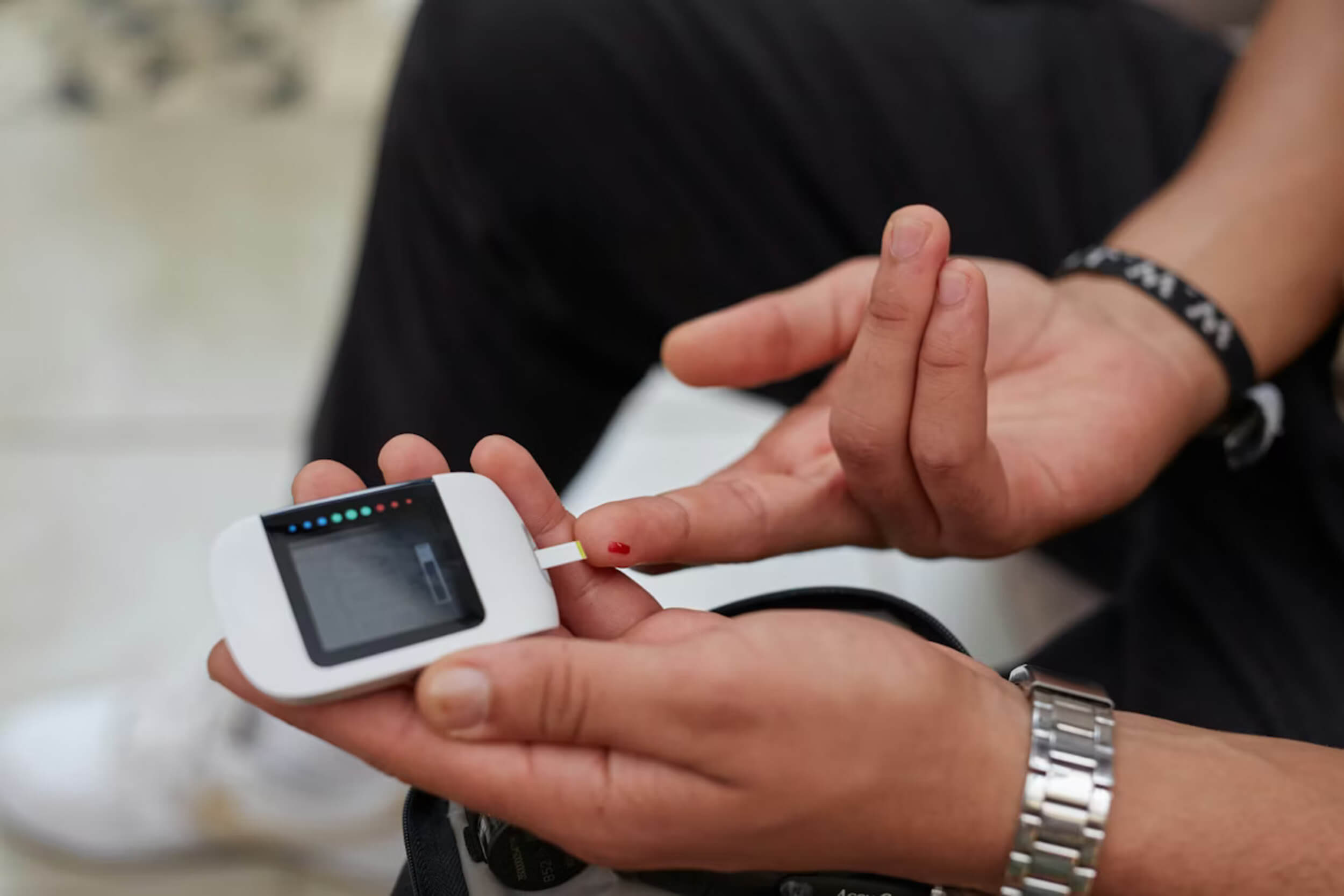
Blood sugar testing is a way to check what’s happening at a specific moment. Fingerstick tests show a snapshot—useful, but limited. They don’t explain what happened before or what will happen next.
Some people use continuous glucose monitors, which track changes throughout the day and night. These tools help show patterns, such as how meals, sleep, or stress affect glucose levels over time.
Another common test is hemoglobin A1C. This test reflects average blood sugar over the past few months. It doesn’t show daily ups and downs, but it helps reveal overall trends.
Numbers are meant to guide decisions, not cause stress. Understanding blood sugar basics makes it easier to see test results as information, not judgment.
Reducing Blood Sugar Spikes in Daily Life
Managing blood sugar isn’t about stopping every rise. It’s about smoothing out big swings so the body doesn’t feel pushed and pulled all day. Small habits, done often, make the biggest difference.
Eating balanced meals, moving regularly, sleeping enough, and finding ways to calm stress all work together. None of these need to be perfect. What helps one person may look different for someone else.
Meal timing, daily routines, and gentle movement can support steadier energy. So can paying attention to how stress or poor sleep affects your body. The goal is progress that fits your life, not strict rules that are hard to keep.
Sustainable habits build stability over time. When changes feel manageable, they’re easier to stick with—and more likely to help.
When Blood Sugar Spikes Signal a Need for Medical Care
Occasional changes are normal, but consistently high or low readings deserve attention. Numbers that stay outside safe ranges can increase health risks if left unchecked.
Certain symptoms should prompt a call to a healthcare provider. These include extreme thirst, frequent urination, dizziness, confusion, shaking, or feeling unwell despite eating or resting. Foot sores, vision changes, or unexplained fatigue are also important to address.
Getting support early can prevent complications later. Doctors and diabetes educators can help adjust medications, routines, or meal plans. Care works best as a partnership—one that responds to changes before they become bigger problems.
Final Thoughts
Blood sugar numbers are not grades or labels. They are signals that show how the body is responding to daily life. Learning to read those signals builds confidence, not pressure.
Stability doesn’t happen overnight. It develops slowly, through small choices that add up over time. Awareness matters more than perfection.
With patience and the right support, blood sugar becomes easier to manage and less stressful to think about. When you understand what your body is saying, you’re better equipped to respond calmly and care for your health with clarity and trust.