


It can start during a long workday, after a restless night, or while doing something that usually feels easy. Discomfort in the back affects people across all ages, jobs, and activity levels. Office workers, parents, manual laborers, and active adults all deal with it in different ways. Because it interferes with movement and focus, it’s one of the most common reasons people miss work or feel limited in daily life.

What many don’t realize is that this kind of pain often isn’t caused by a sudden injury. In most cases, it builds slowly from everyday strain, repeated habits, and small stresses that don’t seem serious at the time. That’s why searching for one clear cause can feel frustrating.
Understanding how these patterns develop helps people respond better and choose practical relief strategies that actually work. This isn’t about panic or self-diagnosis—it’s about clarity, confidence, and knowing what to do next.
What Back Pain Actually Is (And Why It Feels So Different for Everyone)
Pain in the back isn’t one single problem with one clear cause. It’s a signal from the body that something isn’t handling load, movement, or stress very well. Muscles, joints, discs, nerves, and connective tissue all play a role, and each one reacts differently when pushed too far or used the wrong way for too long. That’s why one person feels a dull ache, while another feels tightness, sharp twinges, or deep stiffness.
The strength of the pain doesn’t always match how serious the issue is. Mild discomfort can feel alarming, while stronger pain doesn’t always mean damage is getting worse. The body is sensitive, and sometimes it reacts loudly to protect itself.
Learning to read these signals matters. When people understand what their pain is trying to say, they’re better able to choose practical relief strategies that support healing instead of fighting the body. Clarity replaces guesswork, which makes relief feel more achievable.
How Back Pain Commonly Starts Without a Clear Injury
Many people assume pain only comes from a fall, accident, or sudden wrong move. In reality, discomfort often builds quietly. Repeated movements, long hours in the same position, poor rest, and daily fatigue can slowly overload tissues. Nothing feels dramatic in the moment, but the strain adds up.
This is why scans and tests often don’t show a clear cause. The issue isn’t always a tear or break—it’s often wear, tension, and imbalance that doesn’t show on imaging. Pain can also show up days later, which makes it harder to connect the dots. A long drive, busy workweek, or heavy day at home may be the real trigger.
Invisible strain is still real strain. The body keeps track, even when the mind doesn’t. Understanding this helps people respond with patience instead of frustration and choose practical relief strategies that reduce overload before pain becomes a regular problem.
The Most Common Physical Triggers Behind Back Pain
Most discomfort doesn’t come from one single cause. It usually comes from patterns that repeat over time. Movement habits, muscle balance, joint health, and inflammation often overlap, which is why pain can feel confusing or inconsistent. One day feels fine, the next doesn’t.
These triggers aren’t diagnoses. They’re common ways the body reacts when demand outweighs support. Noticing patterns—when pain shows up, what makes it worse, and what eases it—helps reduce repeat flare-ups. Awareness creates options. Instead of guessing, people start to see what their body struggles with and what helps it recover.
Muscle and Ligament Overload From Daily Movement
Everyday actions like lifting, reaching, twisting, or staying in one position for too long can strain muscles and ligaments. When these tissues get tired or weak, they tighten to protect the area. That tightness can limit movement and increase discomfort.
Muscle spasms often feel sudden and scary, but they’re usually the body’s way of guarding against further strain. They’re not random. They happen when support systems are overwhelmed. Over time, repeated overload without enough recovery makes tissues more sensitive, which lowers tolerance for normal movement.
Disc and Joint Changes That Alter Spinal Mechanics
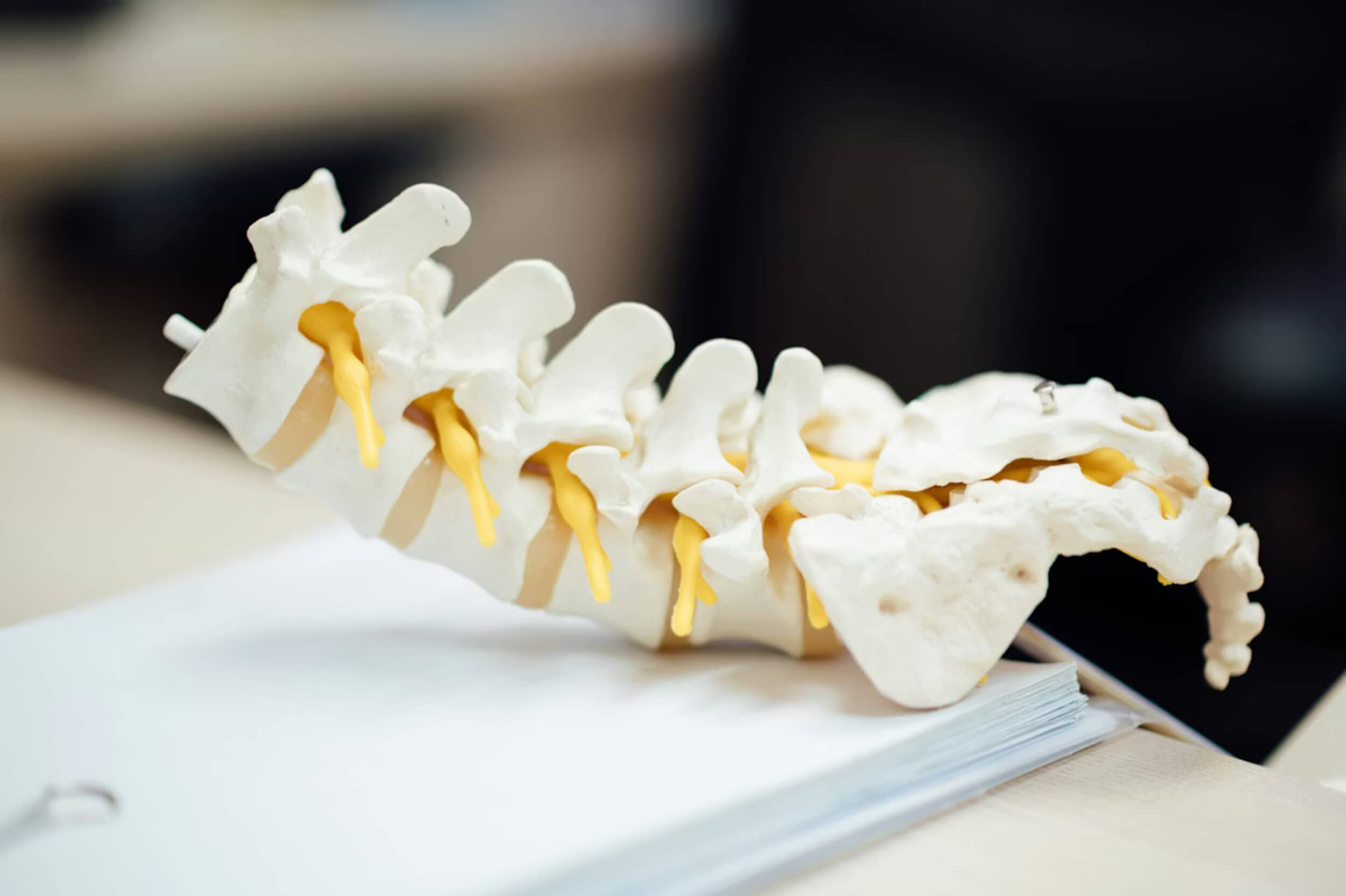
Discs and joints help the spine absorb pressure and move smoothly. With time, use, or stiffness, that movement can change. When parts of the spine don’t glide well, nearby areas work harder to compensate.
Findings like disc bulges or joint wear sound serious, but they don’t always cause pain. Many people have these changes without symptoms. What matters more is how the spine moves as a whole. Smooth, balanced motion reduces stress. Fear of structure often creates more tension than the structure itself.
Inflammatory and Systemic Contributors to Back Discomfort
Inflammation makes tissues more sensitive. When it’s present, the body reacts faster and stronger to stress. Conditions like arthritis or bone changes can lower tolerance, meaning normal activities feel harder on some days.
Inflammation isn’t constant. It can rise and fall based on sleep, stress, movement, and overall health. This explains why pain levels change even when routines stay the same. Recognizing these shifts helps people respond with care instead of panic and adjust habits before discomfort escalates.
When Back Pain Comes From Outside the Back
Not all discomfort that settles in the back actually starts there. Sometimes the body sends signals from one area to another, which is often called referred pain. Internal strain, inflammation, or stress on nearby systems can show up as soreness or tightness along the spine, even when the back itself isn’t injured.
This is why pain location alone can be misleading. Feeling it in one spot doesn’t always mean that spot is the source. The body works as a connected system, and stress in one area can spill over into another. That doesn’t mean something serious is wrong—it means the body is asking for attention.
The goal here isn’t self-diagnosis. It’s awareness. Noticing patterns, timing, and changes helps people respond calmly and choose practical relief strategies that support the whole body, not just one sore area.
Why Back Pain Often Persists Once It Starts
Once pain shows up, the body naturally tries to protect itself. Movements change. People guard certain motions, move less, or tense up without realizing it. Over time, this can create stiffness and weakness that keeps discomfort going.
Avoidance often feels safe, but too much rest can slow recovery. Muscles lose support, joints get stiff, and the body becomes more sensitive to normal movement. This doesn’t mean damage is getting worse—it means the system hasn’t reset yet.
Persistent pain is frustrating, but it’s not always a sign of serious harm. Many cases continue because the body hasn’t been given the right mix of movement, rest, and time. Understanding this helps people stop fearing every ache and prepares them for relief approaches that focus on rebuilding confidence and comfort.
How Stress, Mood, and Mental Load Affect Back Pain
Stress doesn’t stay in the mind—it shows up in the body. When life feels heavy, muscles tighten, breathing changes, and movement becomes less smooth. Over time, that tension can settle into the back.
Anxiety and low mood also make the nervous system more alert. When that happens, pain signals feel stronger and harder to ignore. Mental fatigue plays a role too. Tired minds lead to slouched posture, rushed movement, and less body awareness.
This doesn’t mean pain is imagined. It means the nervous system is involved. Pain is shaped by both physical strain and how the body processes signals. Understanding this connection removes blame and helps people respond with care instead of frustration.
Understanding When Back Pain Needs Medical Attention
Most discomfort improves with time, simple care, and steady movement. That’s reassuring. Still, there are moments when checking in with a professional makes sense. The key isn’t how long pain lasts, but how it behaves.
Changes matter. Pain that shifts suddenly, starts affecting strength or control, or feels very different than before deserves attention. Getting guidance doesn’t mean something is wrong—it means staying informed.
Medical care is about support, not alarm. Knowing when to ask for help gives people confidence to manage what’s normal and act early when something isn’t. That balance keeps recovery on track without unnecessary worry.

Finding Relief Through Everyday Adjustments
Relief doesn’t come from stopping life. It comes from reducing strain while staying engaged. Small, steady changes work better than big, intense efforts that are hard to keep up.
Consistency matters more than force. Adjusting how tasks are done, how often breaks happen, and how the body is supported throughout the day lowers stress on sensitive areas. These shifts may feel minor, but they add up.
Instead of chasing quick fixes, people benefit from paying attention to what eases discomfort and what makes it worse. That awareness leads naturally to practical relief strategies that fit real routines and real energy levels.
Movement That Restores Comfort Without Overdoing It
Gentle movement helps blood flow and keeps joints from stiffening. It acts like oil for the system, helping tissues glide more easily. Staying active in small ways signals safety to the body and supports healing without pushing limits.
Posture, Positioning, and Load Awareness
Posture isn’t about holding one perfect position. It’s about shifting often and sharing the load. When weight and effort are spread out, muscles fatigue less and discomfort eases. Awareness beats rigidity every time.
The Role of Home Care in Back Pain Recovery
Healing takes time. Muscles and connective tissue don’t reset overnight. Simple home care supports that process when used with patience.
Heat can relax tight areas. Short rest breaks prevent overload. Pacing activity keeps the body from swinging between too much and too little. What matters most is paying attention to response. If something helps, it’s useful. If it worsens pain, it’s a signal to adjust.
Progress isn’t linear. Some days feel better than others. Listening instead of forcing builds trust with the body and supports steady improvement.
Why Most Back Pain Improves Without Aggressive Treatment
The good news is that most cases improve on their own. Surgery and invasive treatments are rarely needed. The body is built to adapt, heal, and regain balance when given the right conditions.
Movement returns. Sensitivity settles. Strength rebuilds. This happens gradually, not instantly. Patience plays a big role.
Taking informed steps, staying calm, and responding early to strain often prevents pain from becoming a long-term problem. Confidence grows when people understand what’s happening and trust the process.
Conclusion
Awareness changes everything. When people understand why pain shows up and how it behaves, fear fades. Small signals no longer feel threatening. Responses become calmer and more effective.
Discomfort in the back is common, manageable, and often temporary. It doesn’t define ability or limit the future. Chasing perfect fixes isn’t necessary. What helps most is practical understanding and steady care.
With the right perspective, people regain control. Confidence replaces worry. Movement feels safer again. That shift makes relief not just possible—but sustainable.