

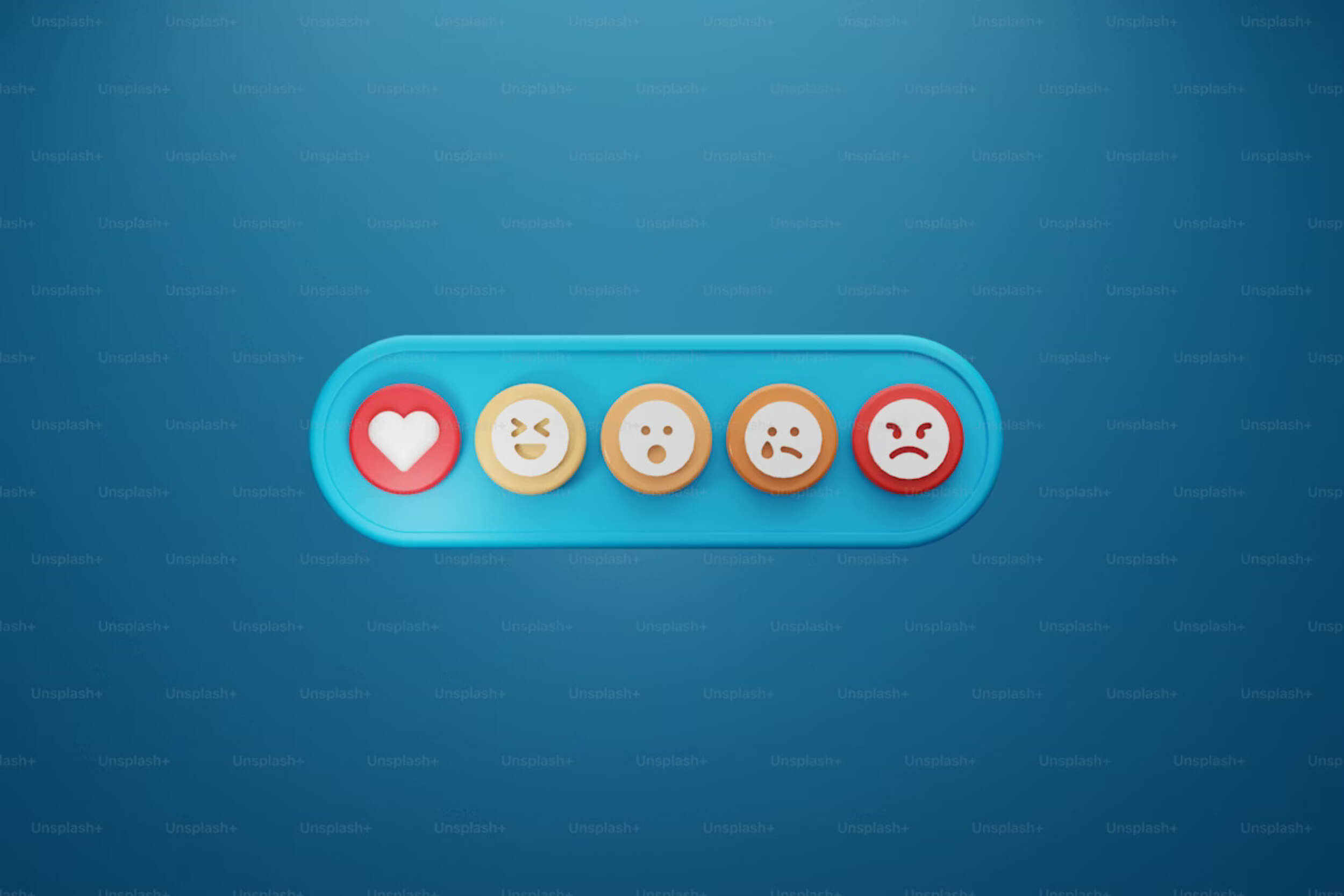
Most people know the feeling. You’re irritated, tense, or drained, but you can’t quite explain why. Nothing big happened, yet everything feels heavier than it should. That confusion alone can make emotions feel stronger and harder to shake.

What often changes the experience isn’t trying to calm down or push feelings away. It’s clarity. When you name your emotions clearly, something shifts. The feeling stops being a blur and becomes something specific you can recognize and work with. That moment creates space between reacting and understanding.
This isn’t about suppressing emotions or venting them over and over. It’s about translating what’s happening inside so your mind and body stop guessing. Once emotions have words, they lose some of their grip. You think more clearly, your body settles, and your reactions soften. This is what happens when feelings finally make sense—and why naming them can quietly change how you move through everyday life.
Why Unnamed Emotions Feel Heavier Than They Are
When emotions stay unclear, the body stays alert. You might feel tense, uneasy, or distracted without knowing why. That lack of clarity keeps the nervous system switched on, as if something important hasn’t been resolved yet.
This creates a mental load. Your mind keeps scanning for answers, replaying moments, and trying to make sense of what you’re feeling. Even small problems can feel exhausting when the emotion behind them stays fuzzy. The stress doesn’t always come from what happened, but from not understanding your reaction to it.
In many cases, emotional intensity grows because there’s no definition. When feelings remain unnamed, they don’t settle. They linger in the background and pile up, making everyday situations feel heavier than they actually are.
Common signs this is happening include:
- Feeling irritable without a clear reason
- Carrying tension long after a situation ends
- Feeling drained by small interactions
The Brain’s Need for Meaning and Categorization
The brain looks for order. It needs labels to decide what matters and what can be set aside. When emotions don’t have names, the brain treats them as unfinished business.
An unnamed feeling often stays active, like an open tab that never closes. The brain keeps checking it because it hasn’t been sorted yet. That’s why vague stress can feel louder and more persistent than a clearly defined emotion.
Once a feeling has a clear label, the brain can place it. It understands what’s happening and how much attention it deserves. That clarity alone helps reduce mental noise and restores a sense of balance.
What Changes in the Brain the Moment You Name an Emotion
The moment you put a feeling into words, your brain shifts gears. Areas responsible for awareness and thinking become more active, while reactive systems begin to quiet down. This isn’t about forcing calm. It’s a natural response to clarity.
When you name your emotions clearly, you create distance without disconnecting. You’re still feeling the emotion, but you’re no longer lost inside it. That separation allows you to observe instead of react.
This shift helps the brain move out of reflex mode. Instead of jumping straight to action, you gain a pause. In that pause, you can think, weigh options, and respond in a way that actually helps.
This response is biological, not motivational. Words give the brain structure, and structure reduces overwhelm.
From Alarm to Awareness — A Functional Shift
Strong emotions trigger fast reactions meant to protect you. When thinking regions engage, that alarm softens.
Awareness replaces urgency. Thoughts slow down. Reactions feel less automatic. You regain choice, even in stressful moments.
That space is where better responses begin.
Why Emotional Precision Matters More Than Positivity
Trying to stay positive without understanding your feelings often backfires. Broad words like “fine” or “bad” don’t offer much guidance. They blur important differences.
Precision works better. When you identify what you’re actually feeling, relief often comes faster. That’s because the brain finally knows what it’s dealing with.
Compare the difference between:
- Frustrated vs. disappointed
- Anxious vs. angry
- Overwhelmed vs. tired
Each points to a different need. Accuracy builds self-trust because you’re being honest with yourself, not brushing feelings aside.
How Subtle Emotional Differences Change Responses
Different emotions lead to different actions. Frustration may push you to rush. Disappointment might slow you down. Fear can cause avoidance.
Choosing the right word helps match your response to the situation instead of reacting blindly.
The Body’s Response to Being Emotionally Understood
The body reacts to clarity just as much as the mind does. When emotions are unclear, the body often stays tense. Breathing shortens. Muscles tighten. Energy stays high.
Once you name your emotions clearly, the body often settles. Shoulders relax. Breathing deepens. There’s a sense of release, even if nothing else changes.
This happens because clarity signals safety. The body no longer needs to stay on guard.
People often notice:
- Less physical tension
- Easier breathing
- Improved focus

Why Physical Calm Follows Emotional Clarity
The body responds better to certainty than suppression. Pushing feelings down keeps tension active. Understanding them allows regulation to happen naturally.
How Naming Emotions Changes Decision-Making
Unnamed emotions influence decisions quietly. Stress can cause avoidance. Irritation can lead to sharp reactions. Fear can narrow choices.
When you name your emotions clearly, their influence becomes visible. You can see how a feeling is shaping your thoughts instead of being driven by it.
That clarity restores perspective. Decisions feel less rushed and more intentional, even under pressure. You’re not removing emotion from decision-making—you’re understanding its role.
From Impulse to Intentional Response
Naming emotions slows reactions just enough to create choice. That pause allows responses to align with values instead of momentary feelings.
Emotional Naming as a Foundation for Self-Trust
Self-trust grows when your inner signals make sense. Recognizing emotions accurately helps you rely on yourself.
Clear emotions reduce second-guessing. You stop questioning whether your reactions are valid. Over time, actions begin to match feelings more consistently, which builds confidence and steadiness.
Why Self-Awareness Strengthens Emotional Confidence
Confidence here isn’t about performance. It’s about knowing you can face what you feel without being overwhelmed.
What Changes in Relationships When Emotions Are Clearly Named
Unnamed emotions often leak into tone, silence, or behavior. Tension appears without explanation, leading to misunderstanding.
Clear emotional naming improves communication. It allows people to express what’s happening without blame, reducing conflict and confusion.
This often leads to:
- Fewer assumptions
- Clearer conversations
- Stronger trust
From Emotional Spillover to Emotional Clarity
Clear emotional language prevents projection. People own their feelings instead of assigning them to others.
Why Naming Emotions Is Not the Same as Venting
Venting repeats the story. It can keep emotions active.
Naming emotions identifies the feeling without replaying it. This shortens emotional cycles and supports forward movement.
Identification Versus Repetition
Venting amplifies emotion. Labeling stabilizes it. Once the feeling is named, resolution becomes possible.
Integrating Emotional Naming Into Daily Life Without Overthinking
This practice works best when it stays simple. You don’t need perfect words. Small moments of clarity add up.
Each time you pause to identify a feeling, you reduce confusion and build steadiness.
Building Emotional Literacy Through Practice
As emotional vocabulary grows, resolution improves. Clear words lead to clearer responses over time.
Conclusion: The Power of One Clear Word
Naming emotions doesn’t box you in. It frees you.
Each time you name your emotions clearly, you create space between feeling and reaction. That space changes how moments unfold.
Over time, those small shifts add up. Emotions feel less overwhelming and more informative. Life doesn’t have to change for clarity to matter.
Sometimes, one clear word is enough to steady the moment—and over time, those moments reshape how life feels.