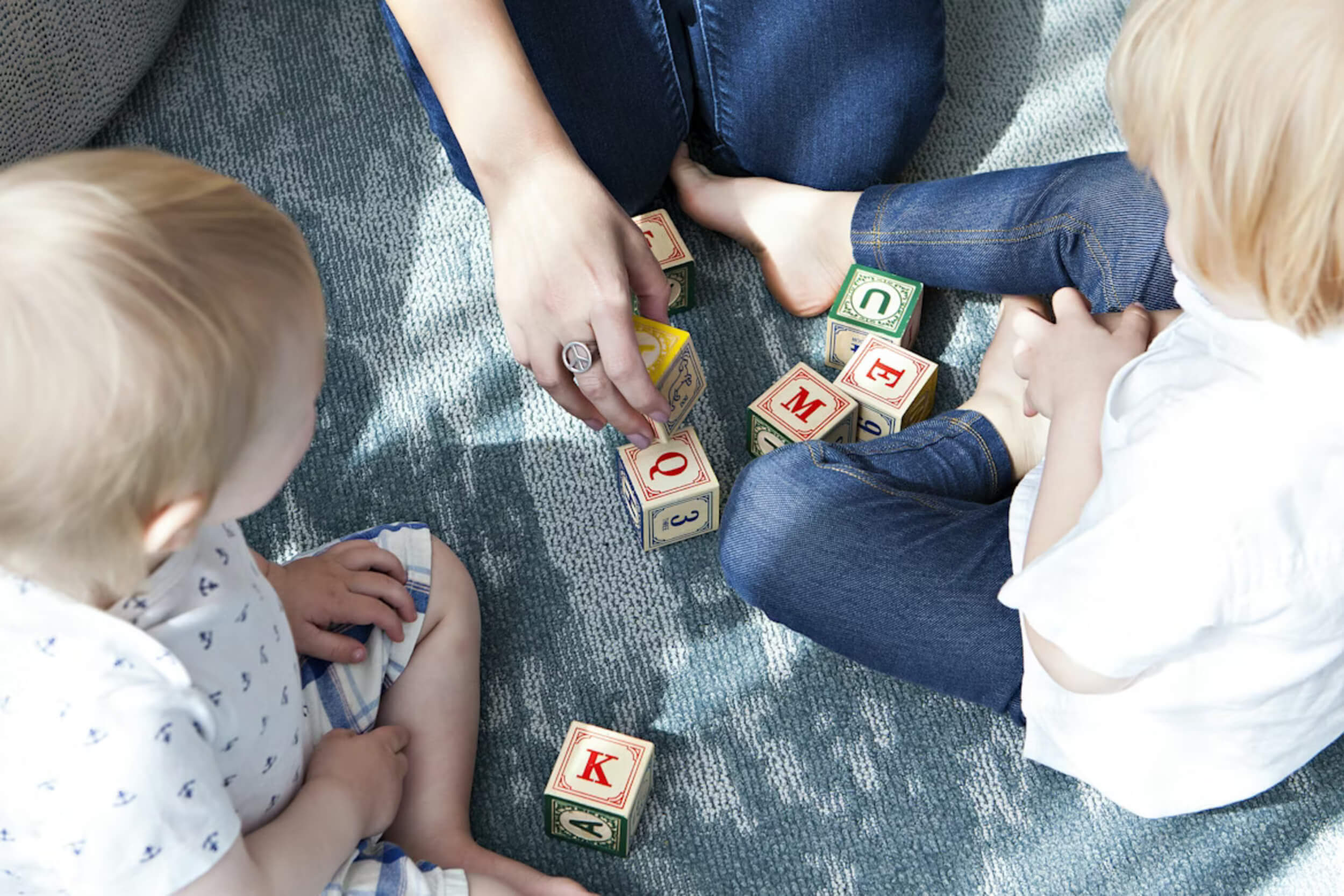




Many parents spend a lot of time thinking about schools, activities, and opportunities that will help their children succeed. Those things can be helpful, but research in child development shows that something even more important happens at home. Children need to feel safe, valued, and loved by the people who care for them every day.
When kids feel secure with their caregivers, they often grow into more confident and emotionally steady individuals. They are more willing to ask questions, try new things, and talk openly about their feelings. Knowing that someone is there to support them gives children the courage to grow.
Psychologists often describe this strong emotional base as secure attachment. It forms through everyday parenting habits that show warmth, attention, and reliability. These moments are usually simple—listening when a child talks, responding with patience, and being present when they need reassurance.
Parents do not need to be perfect. What truly shapes a child’s sense of belonging are the small, caring actions that happen again and again in daily life.
Why Emotional Security Matters for Children
When children feel safe and valued at home, it affects far more than their mood. Emotional security shapes how they think, behave, and connect with other people. Child development experts often explain that kids who trust their caregivers tend to build stronger communication skills, healthier friendships, and better confidence as they grow.
A child who feels supported is more likely to speak honestly about feelings. They feel comfortable saying when something upset them, when they feel proud, or when they need help. These honest conversations teach children how to handle emotions like frustration or disappointment in healthy ways.
Security also gives children courage. When kids know someone believes in them, they are more willing to try new activities and ask questions.
Homes built on everyday parenting habits such as patience, attention, and encouragement help children feel steady and protected. That sense of safety becomes part of who they are, guiding how they handle school, friendships, and challenges later in life.
The Daily Habits That Help Children Feel Secure at Home
Children rarely remember big speeches or perfect parenting moments. What stays with them are the small interactions that happen again and again during normal days.
Feeling safe grows through everyday parenting habits that show children they matter. Listening when they talk, sharing time together, and responding calmly during tough moments quietly build trust.
These simple actions help children understand that their thoughts, feelings, and experiences are important.
The following habits show how ordinary daily moments can help children feel protected, supported, and deeply loved at home.
Listening Fully When Children Speak
Children often judge how important they are by how adults respond when they talk. When a parent pauses, looks at them, and listens carefully, it sends a powerful message: your voice matters.
One of the most meaningful everyday parenting habits is simply giving children full attention when they speak. Listening well means noticing more than just words. It means paying attention to tone, emotions, and body language.
Children feel especially understood when parents respond with simple phrases like, “That sounds really frustrating,” or “Tell me what happened next.”
These small conversations help children practice sharing their thoughts. When kids feel heard during everyday moments, they become more willing to talk about bigger concerns later.
Even short moments matter. Talking during a car ride, dinner, or bedtime often becomes the time when children open up the most.
Over time, careful listening builds trust. Children learn that home is a place where they can speak honestly and know someone truly cares.
Creating Predictable Daily Routines
Children feel calmer when they know what to expect during the day. Regular routines help them understand how their world works. Something as simple as consistent meal times or a bedtime routine can create a strong feeling of stability.
These predictable patterns are powerful everyday parenting habits that quietly support emotional safety. When children know what comes next, they feel less worried and more relaxed.
Bedtime routines are one of the best examples. Reading together, talking about the day, or sharing a quiet moment before sleep can help children settle down and feel connected.
These repeated routines also show children that their caregivers are reliable. When parents follow through with daily patterns, children learn that their environment is steady and dependable.
Life will always bring unexpected moments, but a consistent daily rhythm helps children feel grounded. That steady feeling makes it easier for them to handle changes and challenges with confidence.
Offering Affection in Everyday Moments
Children often understand love through physical connection. A hug, a gentle touch, or holding hands can communicate comfort faster than words.
Many child development specialists highlight affection as one of the most powerful everyday parenting habits because it helps children feel emotionally secure. Physical warmth also helps calm the body during stressful moments.
Affection does not need to appear only during big emotional moments. Small gestures during normal parts of the day can mean a lot. A hug after school, sitting close during story time, or a reassuring hand on a shoulder can instantly remind a child they are cared for.
For many children, these small signs of love provide comfort when they feel unsure or upset.
Warm physical connection also teaches children how to treat others. The kindness they receive at home often becomes the kindness they show friends, siblings, and future relationships.
Responding Calmly to Mistakes
Children are learning how the world works, and mistakes are part of that process. Spilled milk, forgotten homework, or emotional outbursts happen while children are still developing self-control.
How parents respond during these moments can shape how children see themselves. Calm guidance is one of the most helpful everyday parenting habits because it teaches children that mistakes are opportunities to learn.
When adults react with patience instead of anger, children focus on fixing the problem instead of feeling ashamed.
This type of response also encourages honesty. Children are more likely to admit mistakes when they know they will be treated fairly.
Supportive reactions help children build resilience. They begin to understand that problems can be solved and that setbacks are not the end of the story.
Children who grow up with calm guidance often develop stronger confidence when facing challenges later in life.

Spending Uninterrupted Time Together
Children notice when adults truly give them their attention. Even short moments of connection can make a child feel valued and important.
Setting aside focused time together is one of the most meaningful everyday parenting habits. These moments show children that they matter more than distractions.
This time does not have to involve elaborate plans. Many meaningful connections happen during simple activities:
- playing a quick game
- taking a walk together
- cooking or doing chores side by side
When phones and distractions are put away, children feel seen and appreciated.
These relaxed moments also make conversations easier. Children often share thoughts or worries naturally while doing everyday activities.
The most important part is presence. When parents give their full attention, children feel that their company is truly valued. That sense of belonging strengthens family bonds in ways children remember for years.
Encouraging Children to Express Their Feelings
Children feel many emotions each day. They may feel excited in the morning, frustrated at school, and proud about something they learned.
Helping children talk about emotions is one of the most valuable everyday parenting habits. When parents acknowledge feelings, children learn that emotions are normal and manageable.
Simple responses can make a big difference. Saying things like, “It sounds like that made you feel upset,” helps children understand what they are feeling.
When emotions are named, children can begin learning how to handle them in healthy ways.
Without these conversations, children sometimes show emotions through behavior instead of words.
Families that talk openly about feelings help children build strong emotional skills. These skills help them manage friendships, school challenges, and social situations as they grow older.
Understanding emotions is one of the strongest tools children can carry into adulthood.
Showing Consistent Support During Difficult Moments
Every child eventually faces hard moments. They may struggle with schoolwork, argue with friends, or feel disappointed after trying something new.
During these situations, steady encouragement becomes one of the most powerful everyday parenting habits.
Support can take many forms. Parents might listen carefully, offer advice, or simply remind a child that they are not alone. Even quiet reassurance can make a child feel stronger.
Children learn an important lesson during these moments: challenges happen, but they can be handled.
Support also strengthens trust. When children see that their parents remain patient and caring during difficult situations, they feel more secure in the relationship.
This reliability becomes especially important as children grow older and face more complicated social and academic pressures.
Children who grow up with steady support often become more confident problem-solvers because they know help is always available.
Conclusion
Parents sometimes feel pressure to create perfect childhood memories filled with big achievements and special events. In reality, emotional security usually grows from much simpler moments.
Listening carefully, offering affection, keeping routines, and responding with patience are powerful everyday parenting habits that shape how children feel about themselves.
These daily actions quietly teach children an important lesson: they matter, they belong, and they are loved.
When children feel safe at home, that confidence travels with them into school, friendships, and new situations. It helps them face challenges with courage and treat others with kindness.
Perfect parenting is never required. Consistent care, attention, and encouragement are what truly help children grow into confident, emotionally healthy adults.