


Love is one of the most powerful human experiences, yet it is often misunderstood. Many people believe that love alone is enough to sustain a relationship. However, the way love is expressed and received can significantly affect how it is felt.
Two people can deeply care for each other and still feel disconnected. This usually happens when they are speaking different emotional languages. What feels like love to one person may not register the same way to another. Understanding love languages helps bridge that gap and brings clarity to relationships.
What Are Love Languages
Gary Chapman introduced the idea of love languages. He identified five primary ways people express and receive love. Each person tends to have one or two dominant love languages that shape how they connect with others.
These five love languages are:
- Words of affirmation
- Acts of service
- Receiving gifts
- Quality time
- Physical touch
When you understand these, you begin to see why some relationships feel fulfilling while others feel frustrating, even when love is present.
Why Love Languages Matter in Real Life
In real life, many relationship conflicts are not about a lack of love, but a mismatch in communication. One partner may express love through actions, while the other is looking for verbal reassurance. Without awareness, both may feel unappreciated.
Love languages matter because they help you:
- Communicate love in a way your partner understands
- Reduce emotional misunderstandings
- Strengthen intimacy and trust
- Build a deeper emotional connection
When both people feel seen and valued, relationships become more balanced and satisfying.
1. Words of Affirmation
For people whose primary love language is words of affirmation, verbal expression is everything. They feel most loved when they hear kind, supportive, and encouraging words.
Simple statements like “I appreciate you” or “You did a great job” can have a lasting impact. Compliments, heartfelt conversations, and thoughtful messages all reinforce emotional connection.
In everyday life, this might look like:
- Expressing gratitude regularly
- Offering genuine compliments
- Sending encouraging texts during the day
Without these verbal cues, a person may begin to feel invisible or undervalued, even if love is being shown in other ways.
2. Acts of Service
For some people, actions carry the most meaning. Acts of service involve doing things that help or support your partner in practical ways.
This love language is about effort. It shows that you care enough to make life easier for the other person.
In real life, this can include:
- Helping with household tasks
- Taking care of responsibilities without being asked
- Doing something thoughtful to reduce stress
To someone who values acts of service, these gestures represent love in its most tangible form. When these actions are missing, they may feel unsupported or overwhelmed.
3. Receiving Gifts
Receiving gifts is often misunderstood as materialistic, but it is really about thoughtfulness and meaning. For people with this love language, a gift is a symbol of love, attention, and effort.
It is not about how expensive the gift is, but about the intention behind it.
In real life, this may look like:
- Bringing home a small surprise
- Giving something meaningful on a special day
- Creating a handmade or personalized item
When this love language is not fulfilled, a person may feel forgotten or unimportant. Thoughtful gestures, even small ones, can make a big difference.
4. Quality Time
Quality time is about giving someone your full attention. It is not just about being physically present, but about being emotionally engaged.
In a world full of distractions, this love language has become increasingly important.
In everyday life, quality time can include:
- Having meaningful conversations without interruptions
- Spending intentional time together
- Sharing activities that strengthen your bond
For someone who values quality time, distractions can feel like rejection. Being present and attentive is what truly matters.
5. Physical Touch
Physical touch is a powerful way to communicate love and connection. It includes both romantic and simple gestures of affection.
For people with this love language, physical closeness creates a sense of security and emotional warmth.
In real life, this may include:
- Holding hands
- Giving hugs
- Sitting close or offering comfort through touch
Without physical connection, they may feel distant or disconnected, even if everything else seems fine.
How to Discover Your Love Language
Understanding your love language begins with self-awareness. Pay attention to what makes you feel most appreciated and valued.
You can ask yourself:
- What makes me feel most loved
- What do I miss most when it is not there
- How do I naturally express love to others
Often, the way you give love reflects how you prefer to receive it.
Applying Love Languages in Real Life
Knowing your love language is only the first step. The real transformation happens when you apply it consistently.
Here are practical ways to use love languages in daily life:
- Learn your partner’s primary love language
- Make a conscious effort to express love in that way
- Communicate openly about your emotional needs
- Be consistent with small, meaningful actions
Even simple changes can create a noticeable shift in how love is experienced.
Common Misunderstandings About Love Languages
There are a few common misconceptions about love languages that can limit their effectiveness.
- Love languages are not fixed forever; they can evolve over time
- People can have more than one primary love language
- All love languages matter, not just your own
The goal is not perfection, but understanding and effort. When both partners are willing to learn and adapt, relationships become stronger.
Final Thoughts
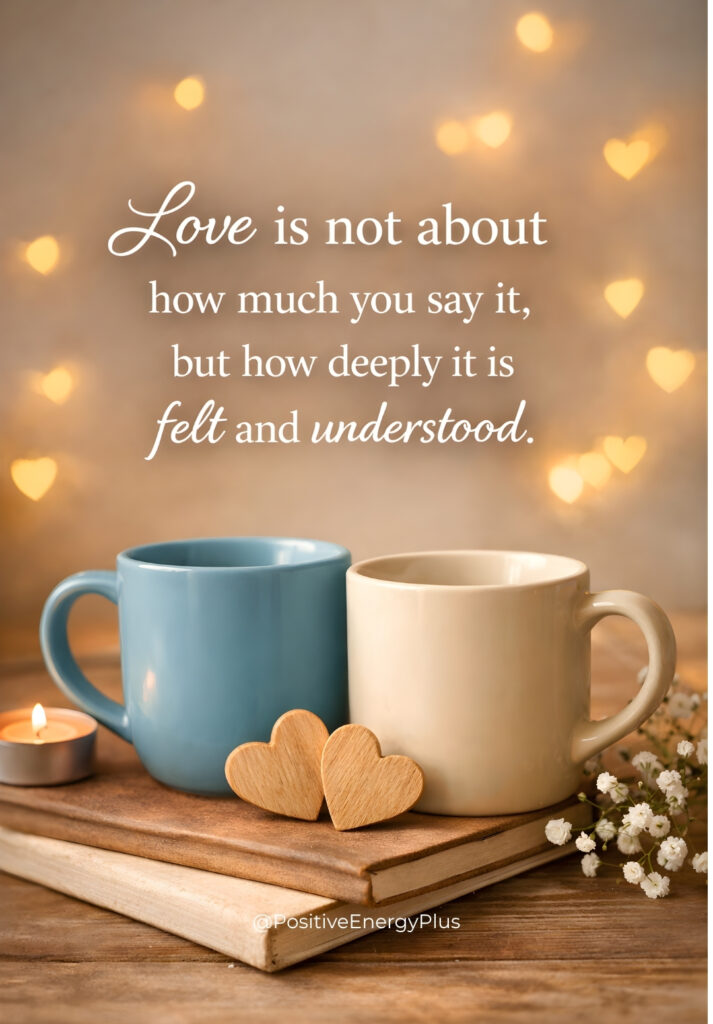
Love is not just about what you feel, but how you express it and how it is received. When love languages are understood, relationships become clearer and more meaningful.
Small, intentional efforts can lead to deeper emotional connections. By learning how to speak the love language of the people in your life, you create a stronger foundation built on understanding and care.
In real life, love is not just a feeling; it is a daily practice. When you choose to express love in ways that truly matter to others, you turn ordinary moments into lasting connections.
Frequently Asked Questions About Love Languages
There is no single most common love language because it varies from person to person. However, many people strongly relate to quality time or words of affirmation, as emotional connection and communication are central in most relationships.
Yes, many people have one primary love language and one or two secondary ones. Relationships often improve when partners understand and respond to multiple emotional needs.
Love languages can evolve based on life experiences, age, and relationship dynamics. For example, someone may value acts of service more during stressful periods and quality time during calmer seasons.
Having different love languages is very common. The key is learning to express love in the way your partner understands, even if it is not your natural style. This creates balance and reduces misunderstandings.
You can discover your love language by reflecting on what makes you feel most appreciated, what you often request from others, and how you naturally show love. These patterns usually reveal your preference.
Yes, love languages apply to all types of relationships, not just romantic ones. Understanding them can improve communication, strengthen bonds, and help people feel more valued in any connection.